Conceptual: Artist research

Samson Young

Born in 1979 This artist lives and works in Hong Kong originally trained as a composer his artwork now takes for in a range of media’s. His work discusses themes of identity and conflict without suggesting solutions or interrupting the current social and political climate. He constantly questions our understanding of information and how we process things, specifically how we interpret sound. His work is also frequently political in nature, addressing military history and the British occupation of Hong Kong as subjects. He manipulates the components of music – sound, beat, rhythm, resonance – to communicate global issues surrounding topical conflicts that have affected our past and present as well as future.

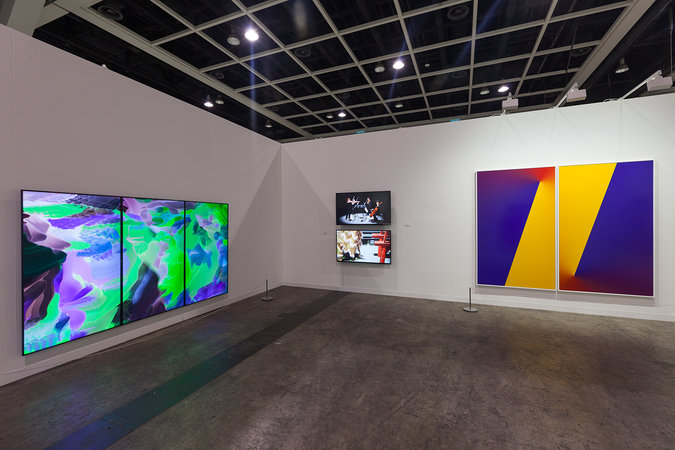
I like the artists diverse approach in that he doesn’t excel in just one are a media rather each relies on the next to show the completed story and theme. However I feel his sound pieces to me are the most compelling, specifically “Liquid Borders” (2012-14), where the artist visited restricted zones along the Hong Kong-China border recording the sounds of the divide. Recording the vibrations of the fence at multiple points from both sides, showing that the sound of the fence remained the same from both sides. These recordings were made into sound compositions then transcribed into graphic notation.

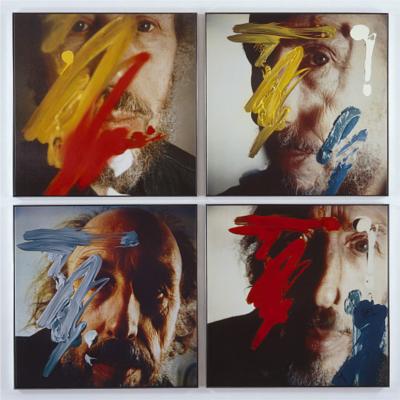
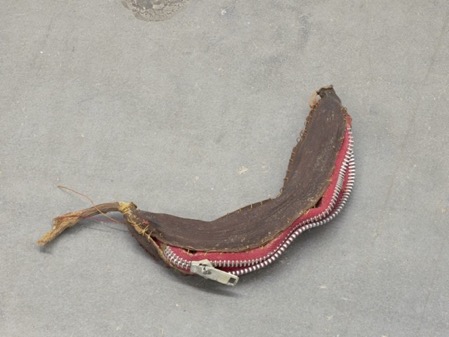
Martin Creed

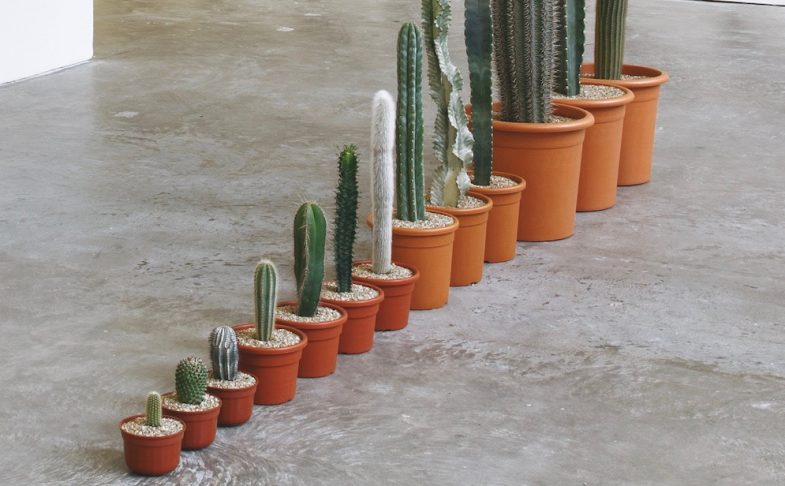
Martin Creed was born in 1968 and is a British artist, composer and performer. He uses ordinary inexpensive materials in order to create multimedia works that have both irritated and delighted viewers and critics. Despite his reputation as a conceptual artist he rejects the term “conceptual” and calls himself an “expressionist,” referring to his notion that all art stems from feeling. His work ranges from minimalist interventions, expressionistic portraits and songs. His approach to art always holds humorous undertones and experimentation. He is constantly underpinning everything he does with the open question about what art is.

See the source image

Bruce Newman

Bruce Nauman was born in 1942 in America. Nauman finds inspiration in the activities, speech, and materials of everyday life. Despite the impact of Dada, he has continued to view his art less as a playful or creative enterprise than as a serious research endeavour. Nauman’s earliest work was shaped by Minimalism in the late 1960s. In particular, the way he treated his own body in his work, shown in video completing repetitive tasks – and the way he related the body to surrounding objects show the impact of Minimalism’s new ideas about the relationship between the viewer and the sculptural object. But he often rejected the slick production values of Minimalism and has often showed a preference for a cruder rawer presentation of work.
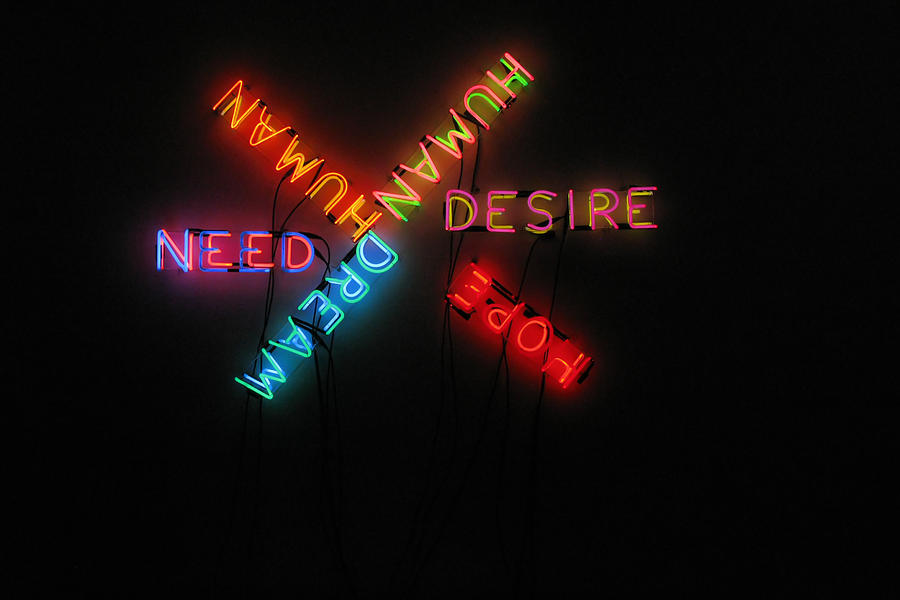
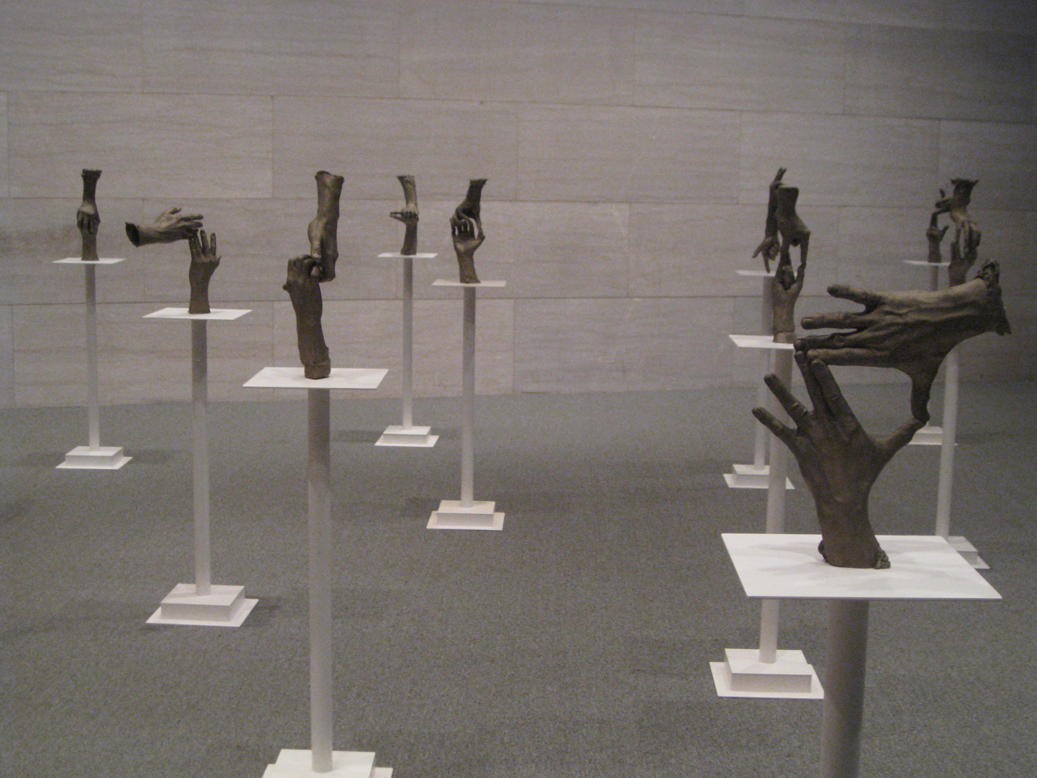
See the source image

Richard Billingham

(born 25 September 1970) is an English photographer and artist, film maker and art teacher. His work has mostly concerned his family, the place he grew up in the West Midlands, but also landscapes elsewhere. He began taking photographs of his family in their council flat in 1990 to use as studies for paintings. However when he exhibited the photographs as works in their own right, they quickly brought him to the attention of the art world. His photographs have been hailed as a mass of contradictions and praised for their lack of condescension. They are an unique and highly personal document of working- class identity in Britain, showing a ‘warts and all’ look at the life of Billingham’s family.

See the source image

Conceptual: development

My starting theme for this project still focused around memory so I went back to my original mind map from the last project to pick up an idea I could take further and develop. Although I still wanted to explore the idea of the authenticity of memory’s I wanted to further demonstrate this idea in the 3 stages – THE EVENT-HOW YOU PROCESS IT-THE MEMORY THAT IS CREATED. Going into this I also wanted to show the 50/50 element if what actually happens and how you internalise and sometimes reimagine an event before it becomes a memory.
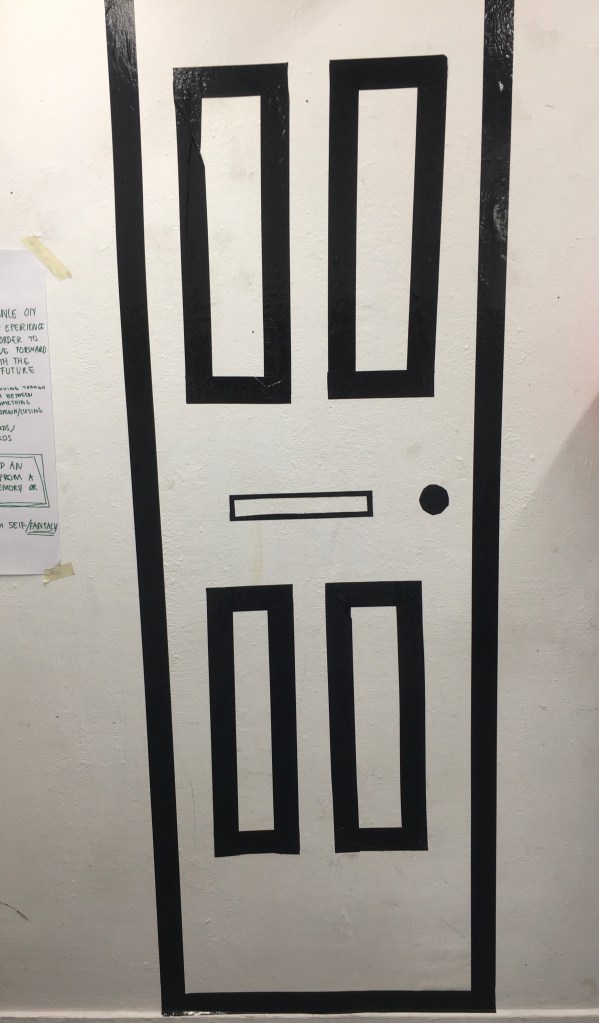
The movement of the information between these two spaces (inside/outside). I wanted to show almost like an opening and closing of the mind, letting information fill and spill out again on a daily basis. Initially this makes me think of the opening and closing of a door/window. Letting people into your memory’s/mind as well as letting in information in/out.

I really liked the idea of memory becoming a house as it’s easily recognisable and I, like a lot of people associate it as a place of comfort. The image of the door I created out of tape I think also has childish connotations like playing pretend. Though this wasn’t my intention I do like the idea of it being recognisable to everyone as everyone probably drew doors and windows like theses as children.
I then explained on this idea of the mind being a home. I researched into the memory palace as a technique to improve your memory. It involves making a journey through a place you are familiar. This could be A house or building of some sort, attaching images to specific places within it in order to better remember a list of items, ideas or number etc.

3D FINAL EVALUATION

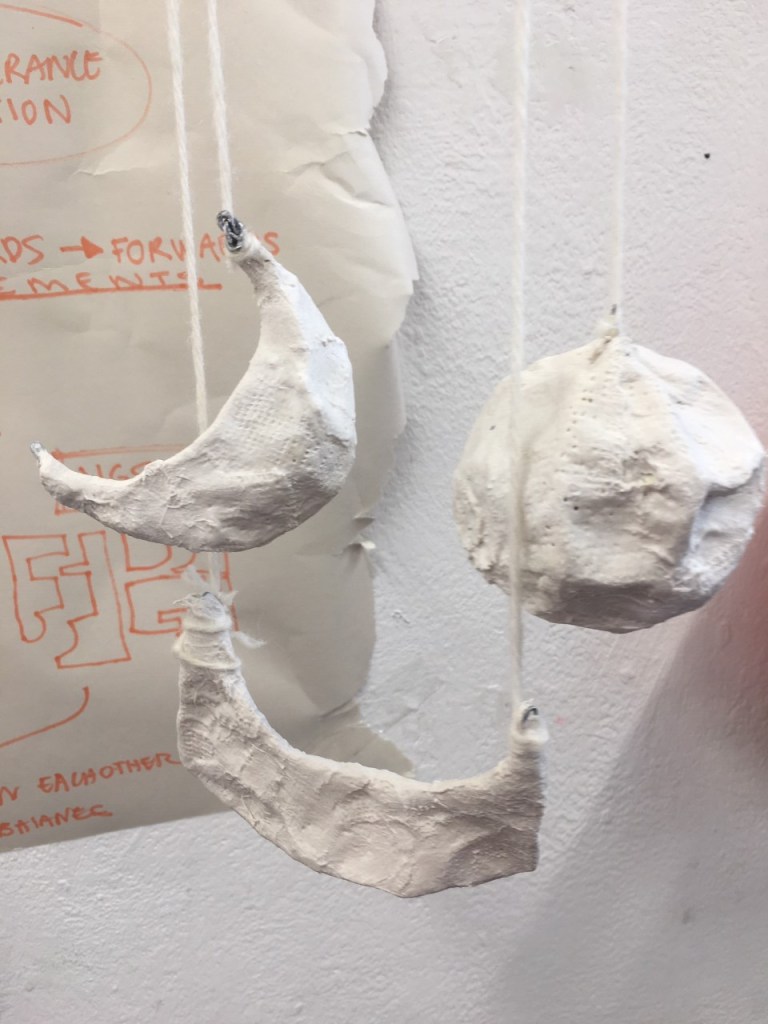
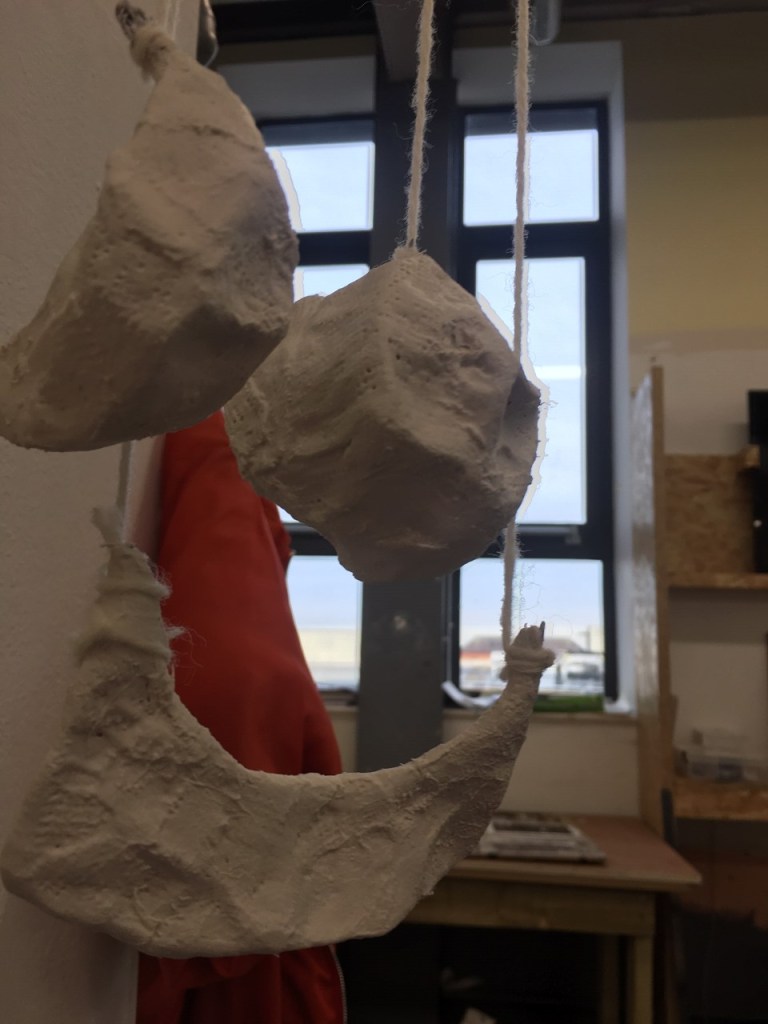
I think I engaged well at the beginning of the project researching a wide range of artists and took well to researching the specific concepts I wanted to include in my work. When I started developing work I felt I could easily move from one idea to another exploring different mediums including different combinations of modrock/plater/clay. However, towards the end of the project I lacked drive and was struggling with how I was going to present my idea as a final piece. The final work itself lacks shape and doesn’t engage you to move around the work. I Could have experimented more with how to present the final outcome and played around with how the work could move. As well as this more of my development work could have been presented in order to show the movement from each stage as I feel my final outcome of work felt really underwhelming in comparison to the amount of research I had done at the begging of the project. One successful element to my final outcome I think was the colour pallet as it related heavily to my research and concept. If I had had more time, I would have also considered it being interactive with the viewer, this would also make the final outcome more engaging and meaningful.

2D CONTEXT: ARTIST RESEARCH

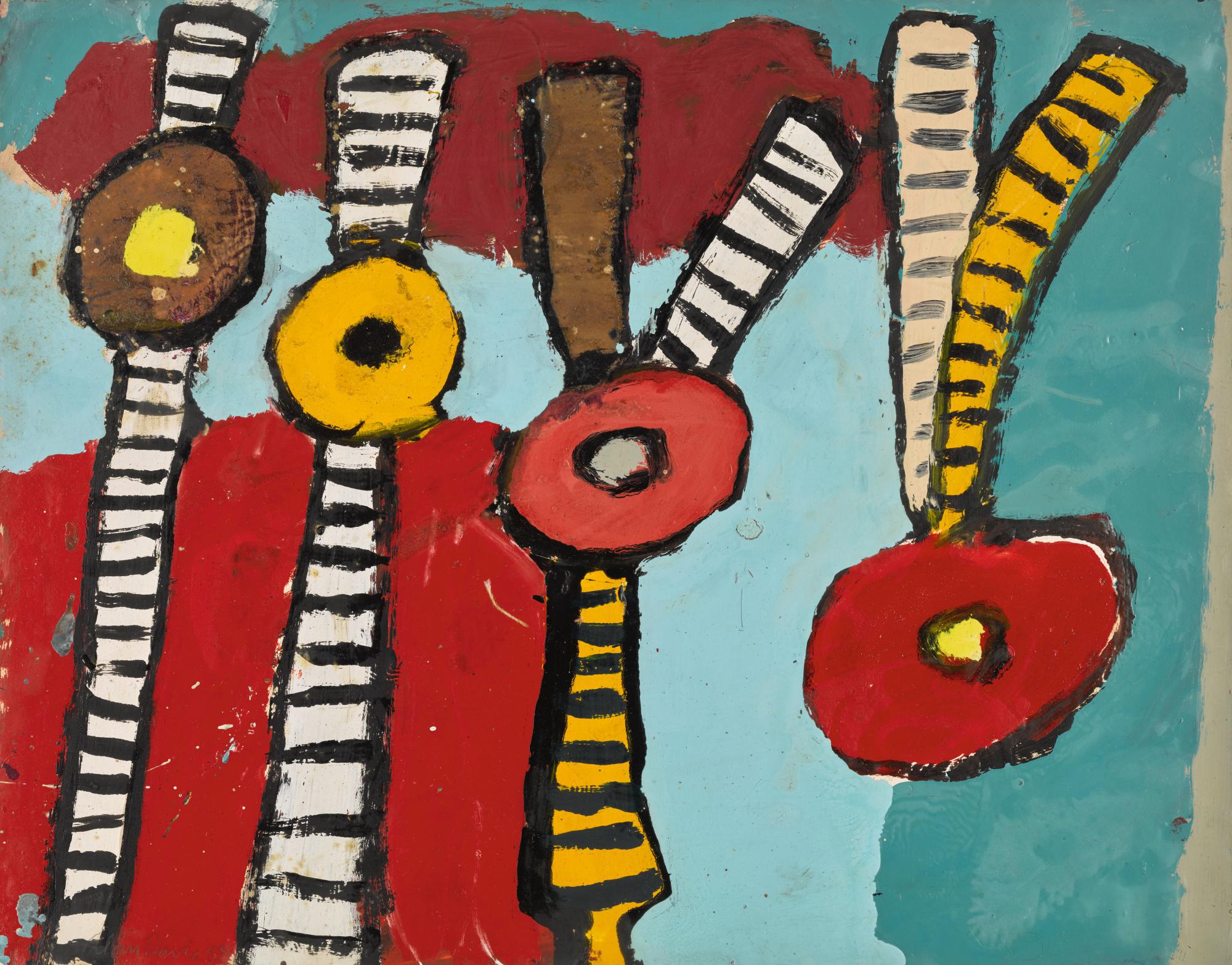
Alan Davie 

Image result for alan davie

Born in 1920 Davie studied at Edinburgh college of art in the late 1930’s. His painting style is not purely abstract but manly focuses on childlike shapes and symbols. As well as painting he also produced screen-prints. In his working method he would often add so many layers of paint to the point where the original image had been covered over many times. He also stressed the importance of improvisation. The artist travelled widely and in Venice became influenced by Paul keel, Jackson pollock and Joan Miro. He explored themes of nature, tradition, family, wonder, illusion and dreams while most of his inspiration for his paintings came from his surroundings; weather that be a hillside or a piece of graffiti. 

Image result for alan davie

As well as these it is thought that Davie was heavily influenced by Zen philosophies, his paintings consist of responsive and spontaneous primitive compositions painted with obsessive, conglomerate mark-making to form images that slip in between abstraction and representation. Davie’s roster of references and influences is extensive, and includes Jungian psychoanalysis, Pictish symbol stones, contemporary abstract painters, and his lifelong passion and aptitude for playing music. All these influences can be seen clearly in his work. I enjoy the artists use of pattern and texture the most how overwhelming and manic the pieces seem despite the basic shapes and colours. 

Barbara Kruger

Image result for barbara kruger

Born in 1945, Barbara Kruger is an American conceptual artist and collagist best known for her black and white images overlaid with block red and white text. She is also best known for her feministic critique on society and western ideals. Her work analyses mass consumerism. Stereotypes and media. Her work was manly influenced by graphic design and modern advertising, she explores themes of feminism, rebellion, consumerism, media, power, desire and class Her works examine stereotypes and the behaviours of consumerism with text layered over mass-media images. Rendered with black-and-white, red accented, Futura Bold Oblique font, her works offer up short phrases such as “Thinking of You,” and “I shop therefore I am”. Kruger uses language to broadcast her ideas in a range of ways, including prints, T-shirts, posters, photographs, electronic signs, and billboards. As she says “I’m fascinated with the difference between supposedly private and supposedly public and I try to engage the issue of what it means to live in a society that’s seemingly shock-proof, yet still is compelled to exercise secrecy,”. 

Image result for barbara kruger books

The thing I find the most interesting about her work is the bold and unapologetic style of her work. Because of this you would think that the messages within her work would be obvious but the viewer still has to think deeper around the words themes and imagery the artist is presenting us with. 

Richard Hamilton 

Image result for Richard Hamilton

Richard Hamilton was an English artist known for producing some of the earliest works of Pop Art. Though he used a wide variety of techniques during his career, his most recognizable works were done in collage. Born on February 24, 1922 in London, he worked as an apprentice at an electrical components firm when he began taking evening art classes at Saint Martin’s School of Art. Entering the Royal Academy at the age of 16, Hamilton was later expelled for not following the school’s regulations.  “Just what is it that makes today’s homes so different, so appealing?”; this work become a seminal image in Pop Art history. During the mid-1960s, the artist became increasingly interested in the work of Marcel Duchamp, and reflected his interests by attempting to proliferate his own art in various forms of media. Over the following decades, Hamilton focused on producing prints as well as incorporating new technologies, such as computer software, into his practice.

Image result for Richard Hamilton

His works focus on themes of consumerism, media and advertising, using striking images to create layered images and meanings. He introduced the idea of the artist as being an active consumer of culture as well as a contributor. He immersed himself in pop culture movies, television, magazines and music. He wanted to bridge the gap between high art and consumer culture as he too was influenced mainly by surrounding pop artists and pop culture.  

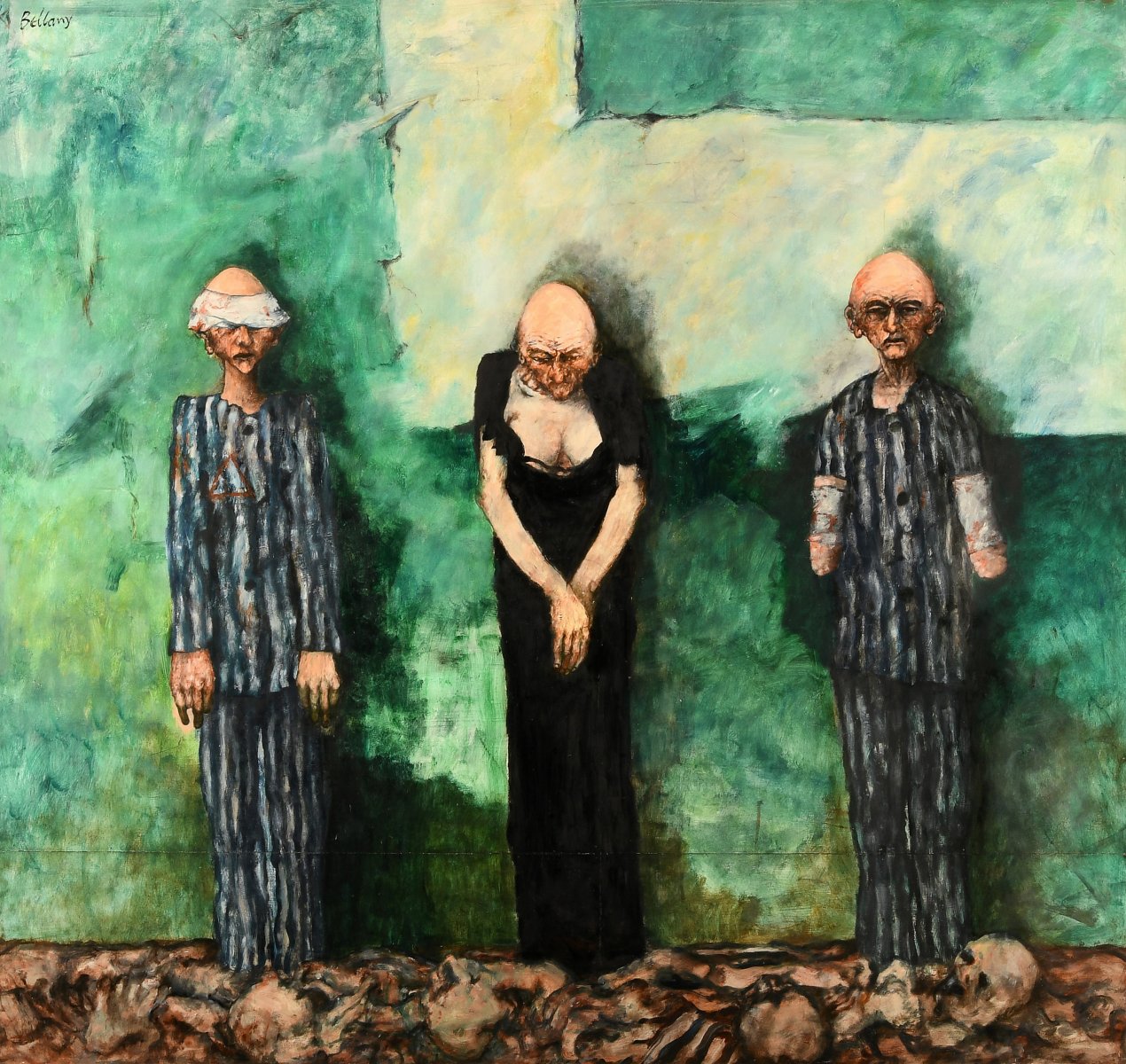
John Bellany

Image result for john bellany

John Bellany was born at Port Seton in 1942 into a family of fishermen and boatbuilders. He moved to London in 1965 to study at the Royal College of Art, his paintings consistently centred around the complexities of the human condition and became anchored in the rich landscape of the of sea. Bellany’s work also explored Scottish symbolism and histories. “What he was doing in the mid-1960s in many ways changed the course of Scottish painting,” Keith Hartley, the senior curator of the Scottish National Gallery. Almost entirely figural, his paintings regularly feature themes of Christianity, Adventure and the female figure, drawing inspiration from Scottish primitive painters such as Alan Davie and Robin Philipson. In the 1970s, when his personal life was in turmoil, he embarked on a journey of self-destruction, which is reflected in the angst-ridden images in his paintings of the period. In the late 1980s, after overcoming serious health issues his work became more optimistic in spirit. 

Image result for john bellany

Despite the repeated setting the artists work always seems to depict I find the detailed menacing figures he creates the most interesting. His use of colour and ability to convey such emotion makes the viewer almost feel intrusive to these paintings as if interrupting them in some way. 

3D CONTEXT: ARTIST RESEARCH

Phyllida Barlow


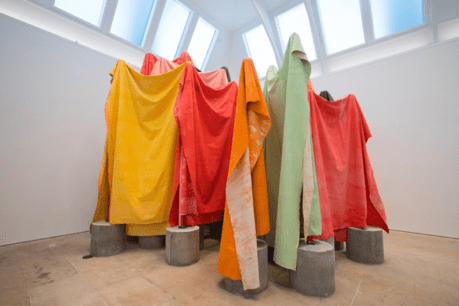
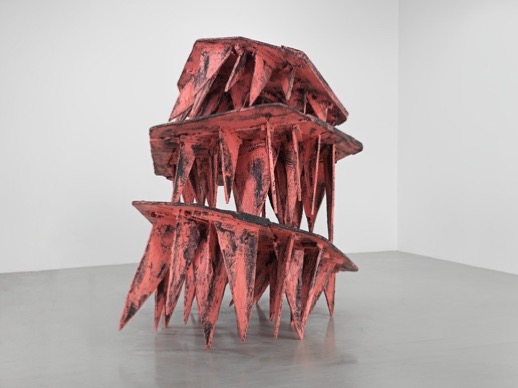
Although born in Newcastle upon Tyne in 1944 Barlow was brought up in a London where she studied at Chelsea College of Art (1960–63) where she was able to learn that the act of making was in itself an adventure. A sculpture that falls over or breaks is just as exciting as one that reveals itself perfectly formed. All the acts of making are valid. She creates work with the intention of making something larger than herself, reflecting and contrasting with her environment as well as attaching new meaning and purpose to existing material’s. She also explores the relationship between her work and space it occupies. She repeatedly questions whether the space dominates the work or the work dominates the space.

I like the artists use of scale and playfulness, her work is almost childlike and messy never appearing truly finished or polished. Her careful and exciting use of bold colours also add to the child likeness of her work. The sculptures and instillations encourage the viewer to move round and through it from all angels. The artist uses the space to its full potential and considers every aspect of the space it will fill. I also like the artists inexpensive use of materials such as cardboard, fabric, timber, polystyrene, plaster, scrim and cement.

Sara Barker

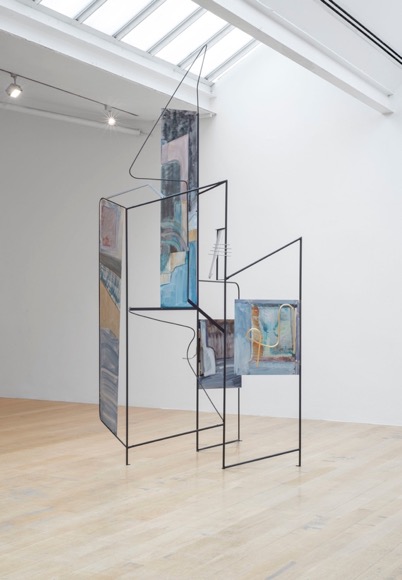
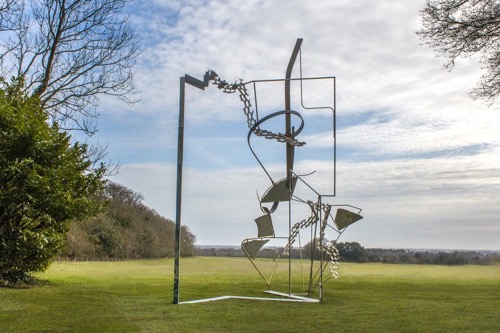
Sara Barker was born in Manchester in 1980. She studies at Glasgow School of Art in the city of Glasgow where she now lives and works. The artists work braks the boundaries between painting and sculpture. Skeletal structures in aluminium and steel presented in wonky rectangular shapes with contrasting lines, as though uncertain of themselves. Their surfaces are then coated with layers of oil paint, gouache and watercolour. The artists colour pallet resembles that of a landscape watercolour. Barkers work evokes ‘that top-heaviness and precariousness’ of sketching in three-dimensional form. As such, her combinations of bespoke materials challenge traditional perceptions of structural solidity, the lightest often providing the weightiest support for the basis of the sculpture”. Her liminal streaks of colour provide what she describes as ‘cracks in a door’ or glimpses into another realm. Her sculptures are completed by the spaces in which they are installed by implementing the negative space around them; resulting in abstract  dream-like sequences of materials.

I find this artists combination of materials the most interestin, using each to their full potential as the colours of the paint always compliment the light and the space in which the work is presented. Also the artist’s use of shape and how these large geometrical forms ply and interact with the surrounding environment.

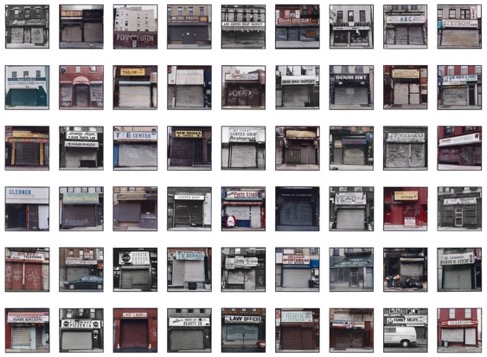
Zoe Leonard

Zoe Leonard (born 1961) is an American artist who works primarily with photography and sculpture. The now New York based artist merges photography, sculpture, and installation. By employing strategies of repetition, shifting perspectives, and a multitude of printing processes, the artists practice probes the politics of representation and display as well as exploring themes such as gender and sexuality, loss and mourning, migration, displacement, and the urban landscape. Her photography work invites the viewer to contemplate the role that the medium plays in contributing to history. Her work always encourages the viewer to reconsider the act of looking itself, presenting it as an ongoing process.

I like this artists work as she explores interesting diverse themes such as societal roles, gentrification, injustice and daily life. This makes us the viewer reflect our own environments and behaviours. Her sculptural work always inhabits the space in an almost non-invasive way. It is almost presented neatly like a passing idea or question.  This further engages the viewer to think of her work outside of a gallery context and within the real modern world.

Gordon Matta Clark 

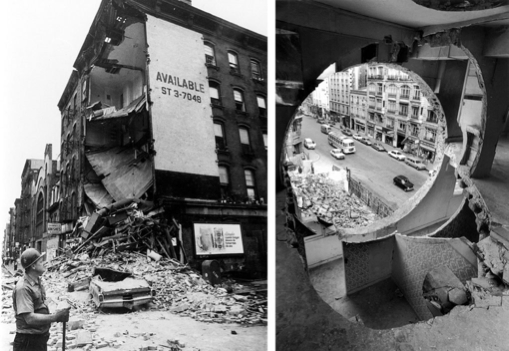
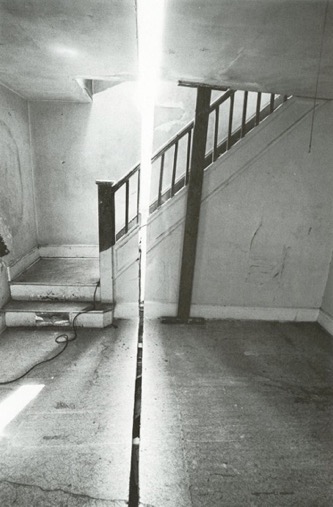
Gordon Matta-clark was born in 1943 in America and trained originally as an architect. He is best known for his spectacular ‘building cuts’ that are often seen as an outright rejection of the architectural profession. Dealing with themes of metamorphosis and resistance towards the commodification of art, he went on to study architecture at Cornell university from 1963 to 1968, where he met Robert Smithson who influenced his interest in using non-art materials. Moving back to New York, he experimented with both food and photography as well as documenting the burgeoning graffiti-scene and the sewers and subways of the city. 

I find the artists use of medium the most interesting as well as his use of space. His ‘building cuts’ are site specific and his work was often illegal and destroyed directly after completion. This element of impermanence to his work is interesting also, the idea of creating something just to have the intention of destroying it. The impermanence i find playful and it makes his work somehow feel more special and outlandish.

2D Practice Evaluation

I think I engaged well with the 2d workshops and really enjoyed combining all of the taught elements – collage/paint/print. The workshops forced me to use my theme and imagery with methods of working I would have otherwise neglected (collage). As the project continued in the later weeks, I did have to pause on making work and return back to researching my theme in order to add context back to my work as I felt my work and the imagery I was using was becoming repetitive.  When I was producing work I was doing so large volume without stepping back to evaluate on what elements were successful as much as I should have been in order to push the work in the right direction. In the end I did have about 3 or 4 pieces I felt had enough working to effectivity communicating my menacing theme. However, I wish I had managed my time better and not having that period where I felt stuck, I would have had more time to scale up more resolved work. Given more time I would have also liked to edit some of my work digitally and play around with layers and distorting the colours a lot more. I think the feedback I received from my crit was helpful as it highlighted other elements of my theme I could consider more and encouraged me to scale up my work as well as playing around with some of the existing imagery in photoshop. 

3D Practice – Memory

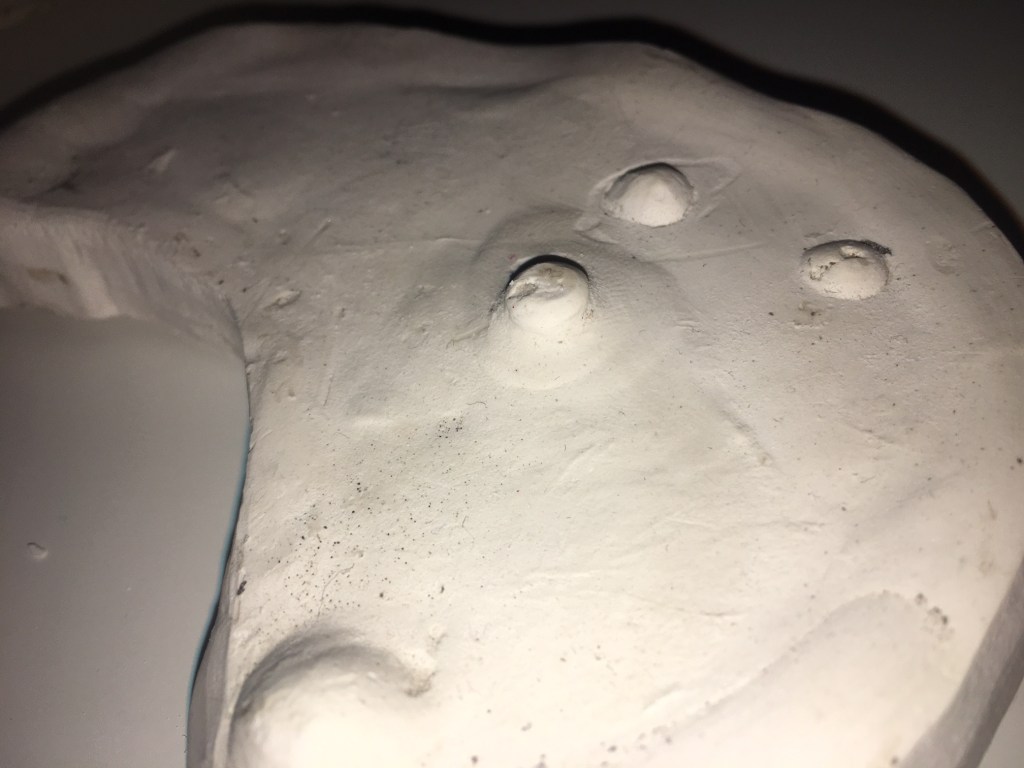
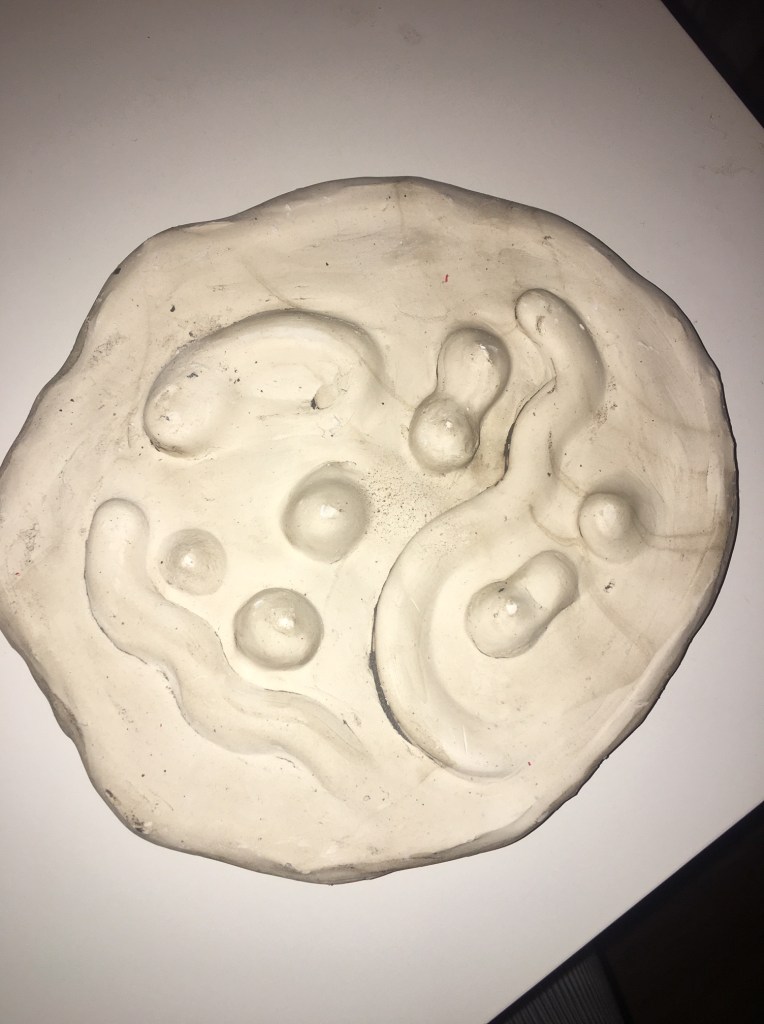
For this project i wanted to focus on the theme of authenticity and reliability. Our memories overtime often become unreliable and our brain struggles to recall information. After researching this through articles and short documentary’s i found out the Brain takes in each bit of information individually before combining it all together to create one completed image. With this I started my media experiments by wanting to create small individual piece that I could combine in different ways using different methods of construction/deconstruction.

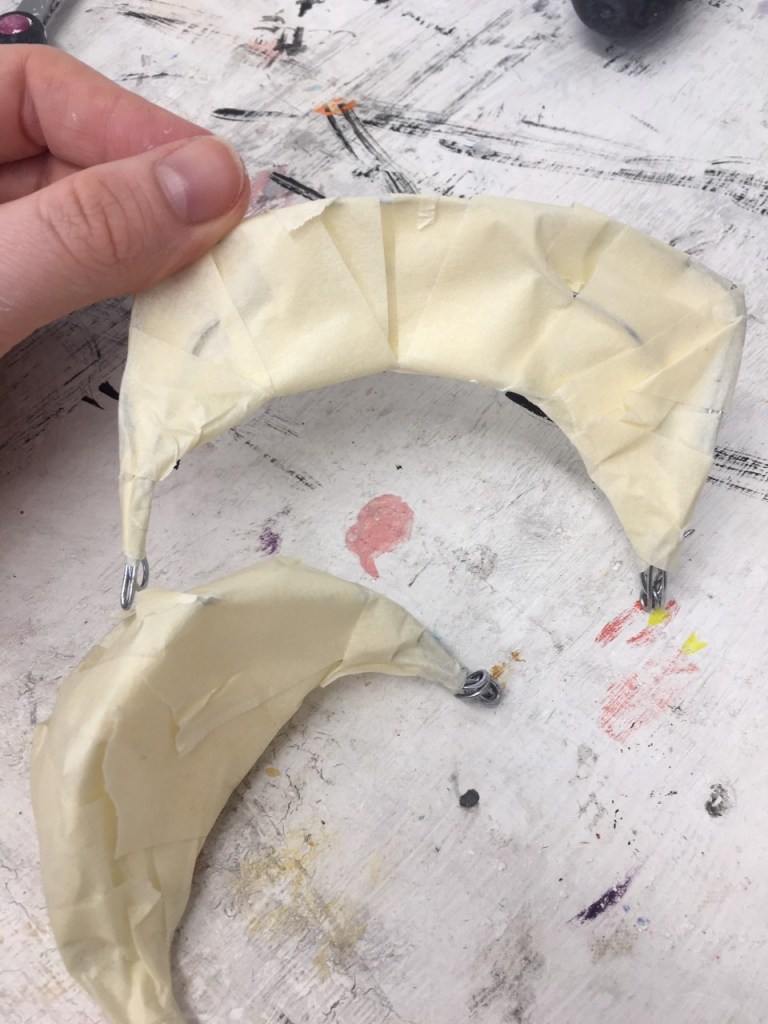
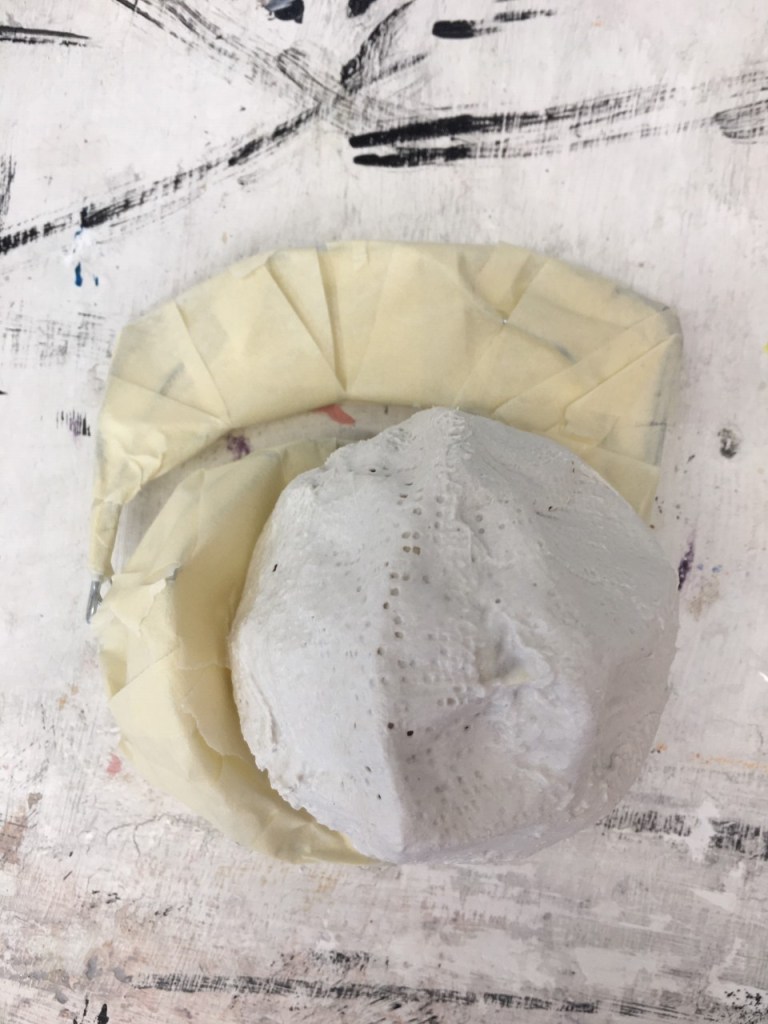
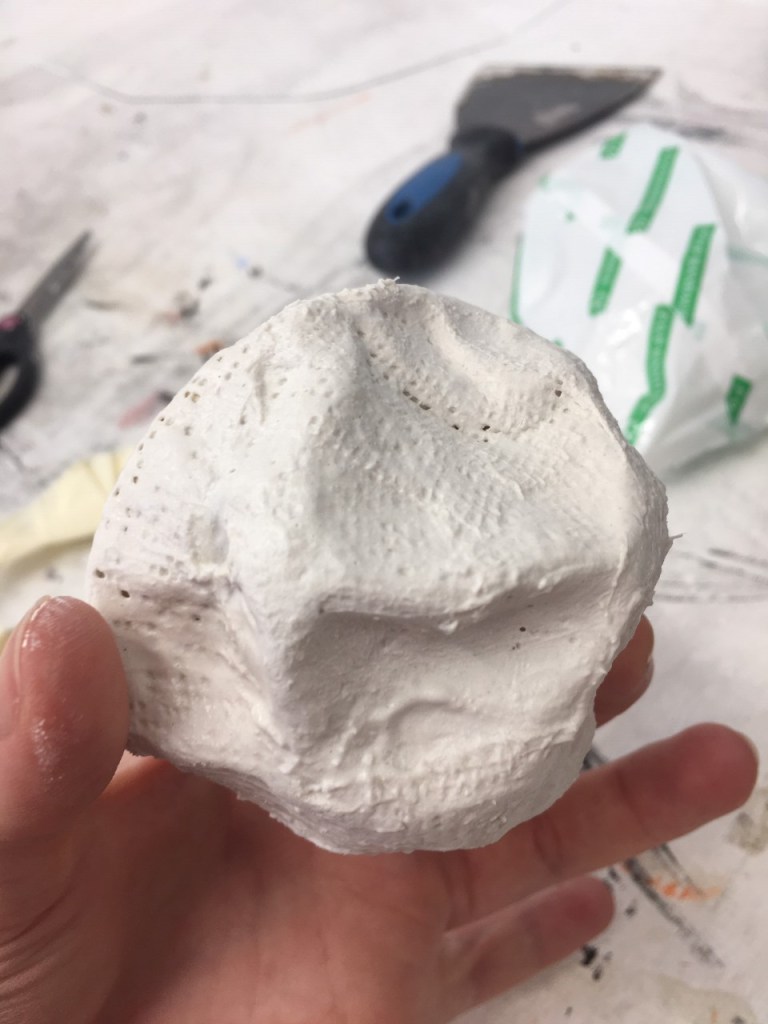
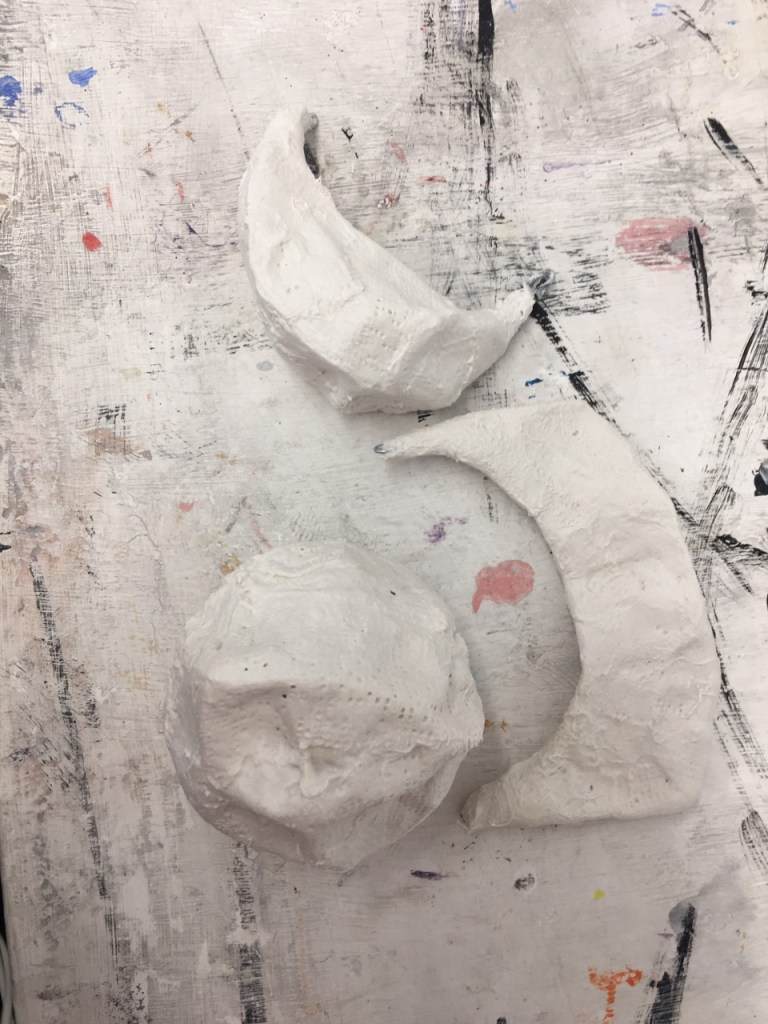
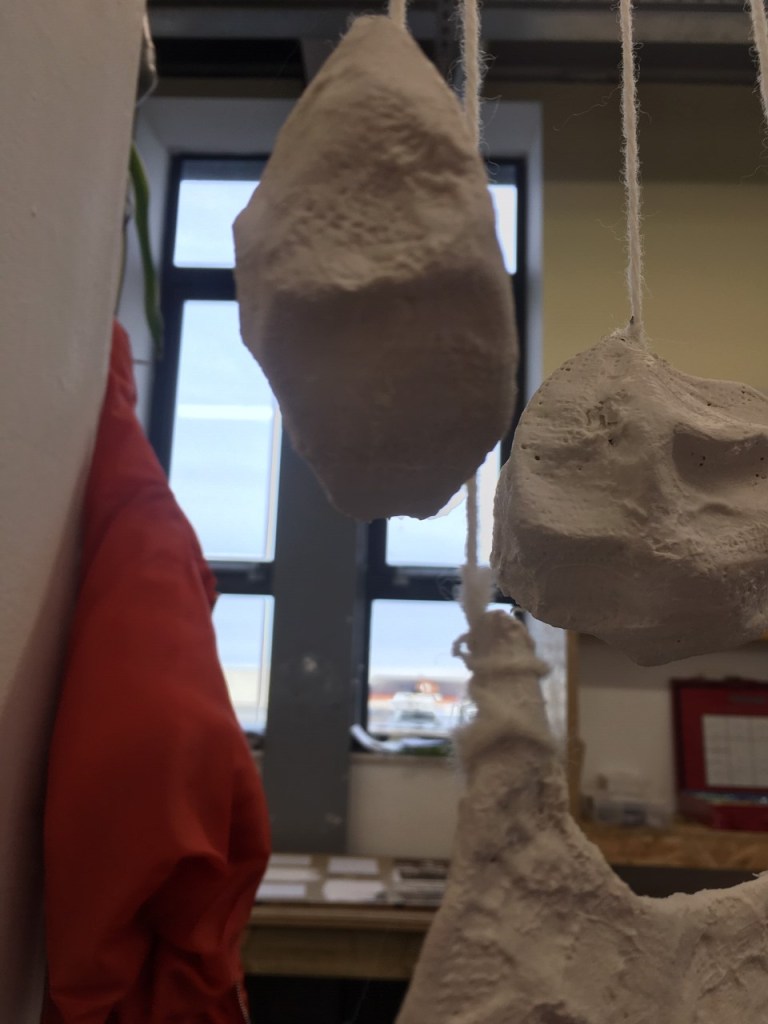
The first set of mod rock and wire pieces allowed me to arrange my ideas in different positions and experiment with balance and weight as well as how they would occupy a space together as well as separated. I also began to consider how I might consider the physical movement of these parts coming together/falling away from each other.

At this point in the project began to consider the 3 stages of how the brain processes information and how I could depict this –

THE ORIGINAL INFORMATION- PHYSICAL ACT OF BREAKING IT DOWN- PUTTING IT BACK TOGETHER TO CREATE A WHOLE IMAGE.

ESW

DAY ONE

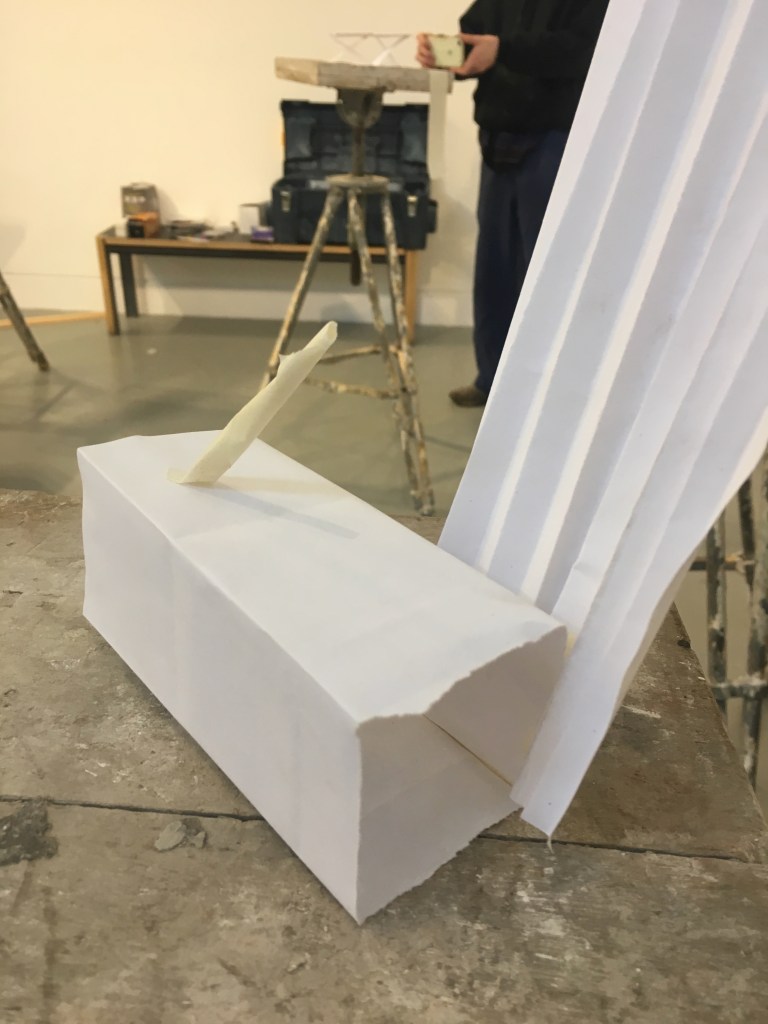
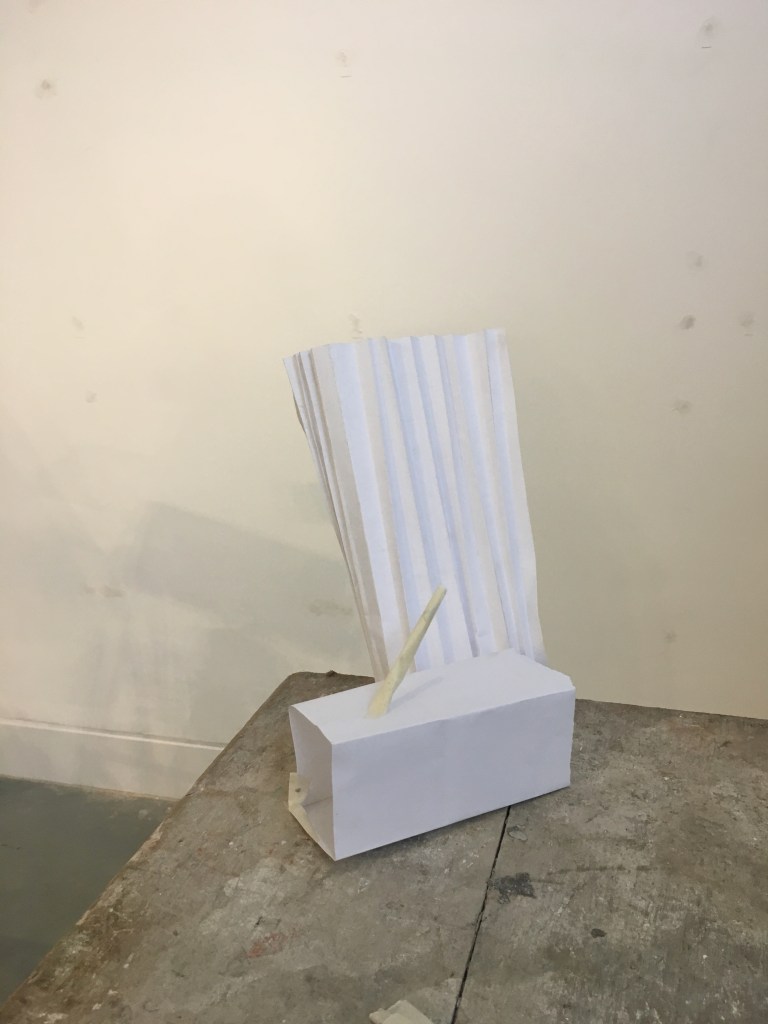
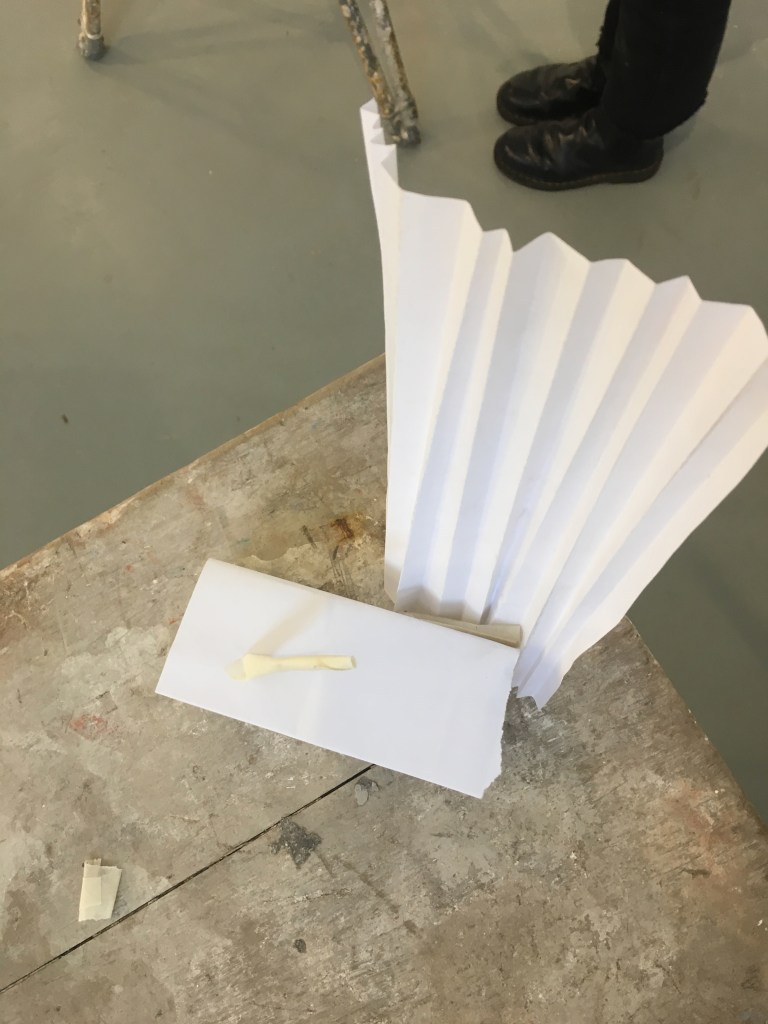
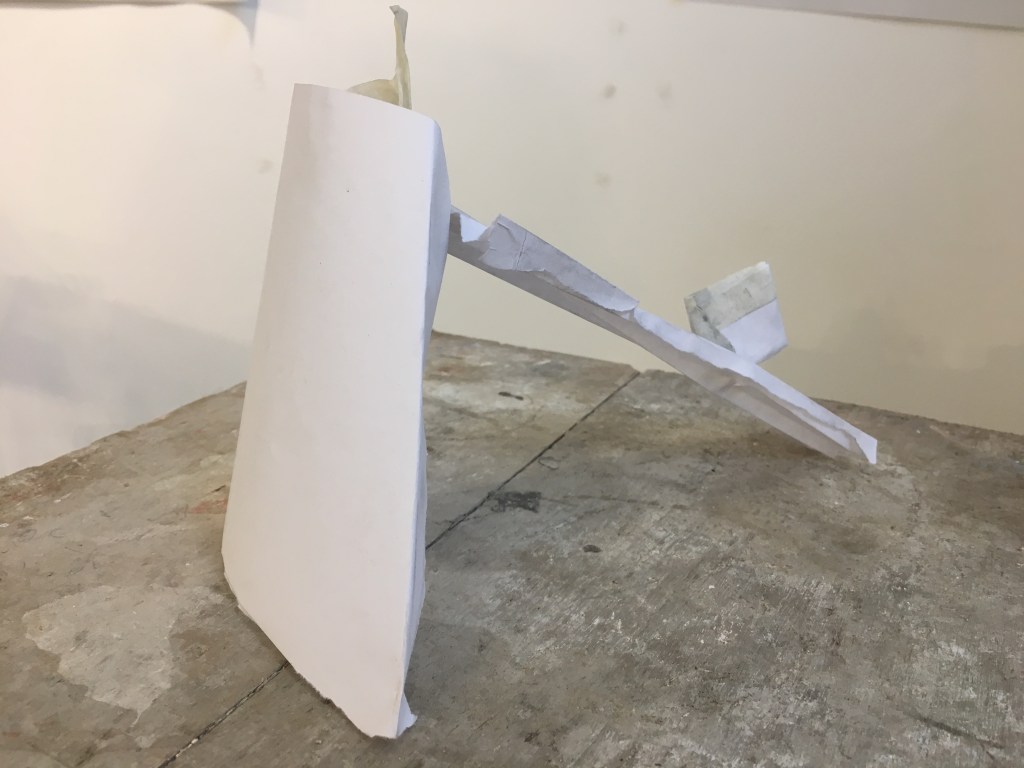
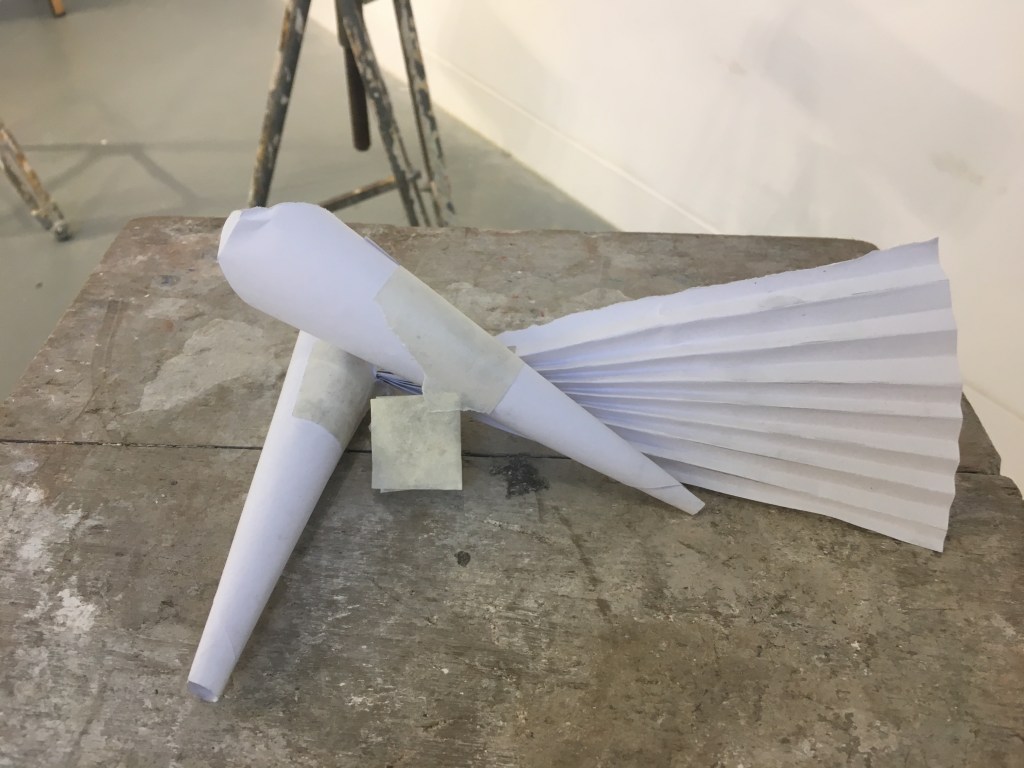
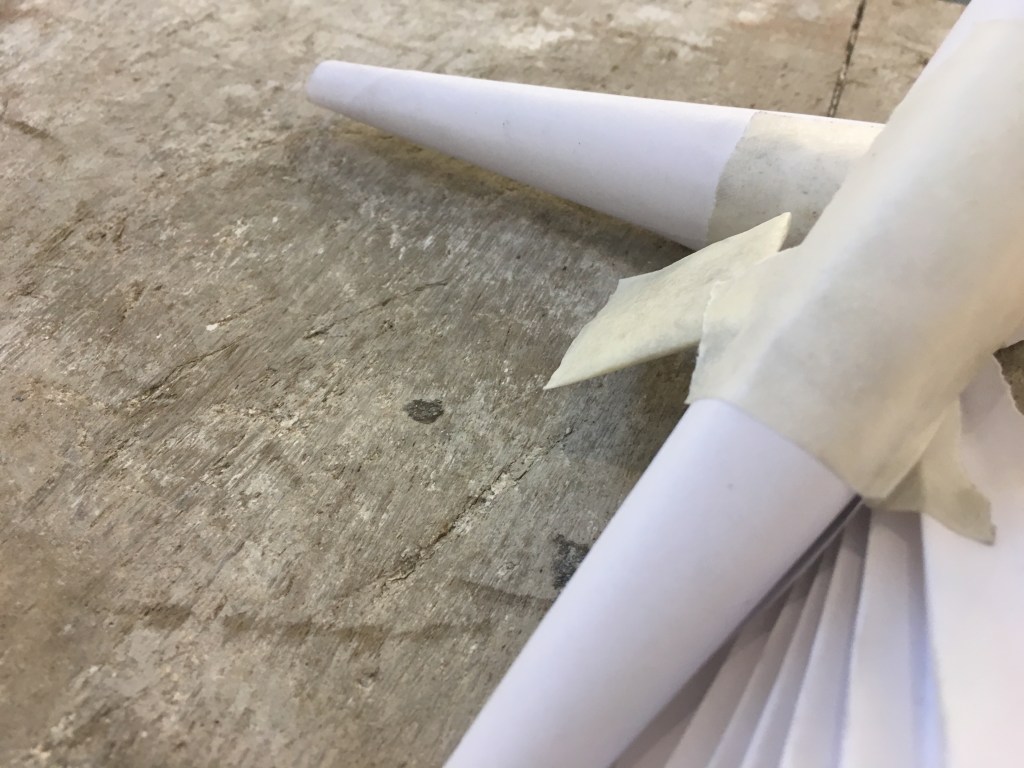
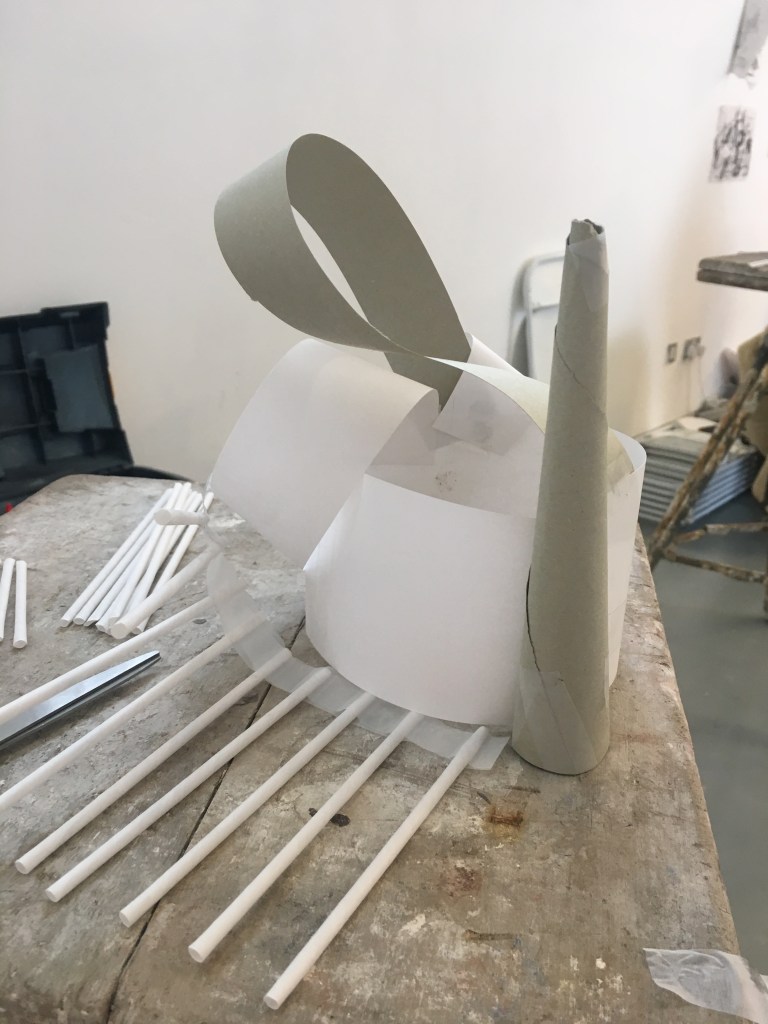
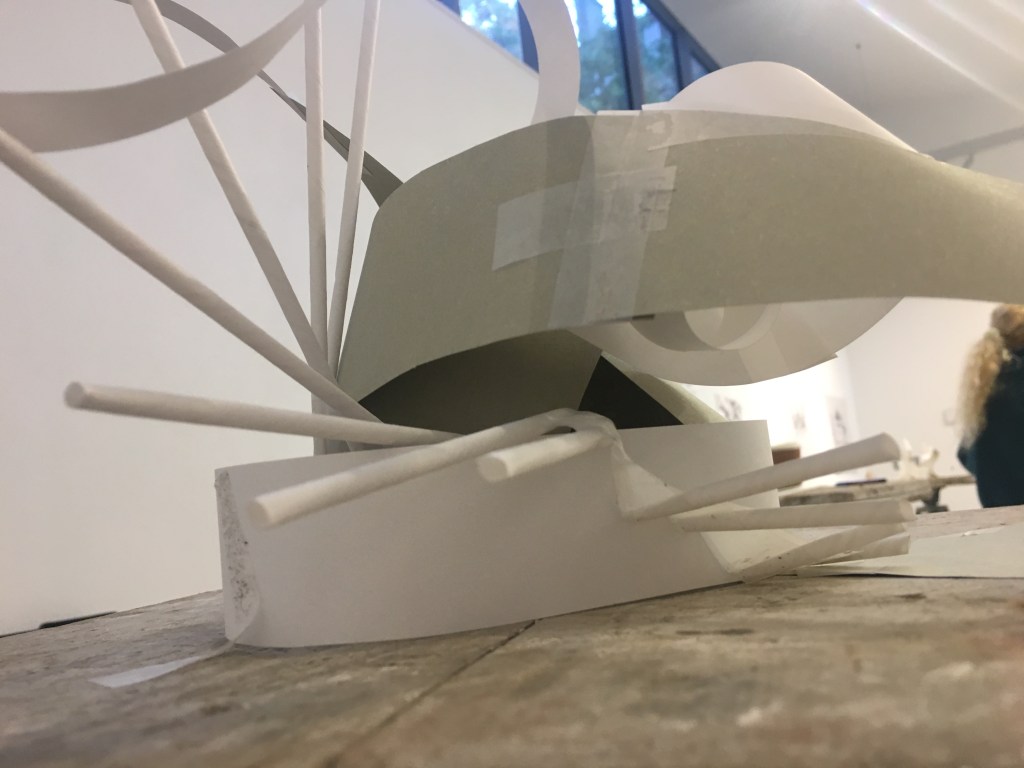
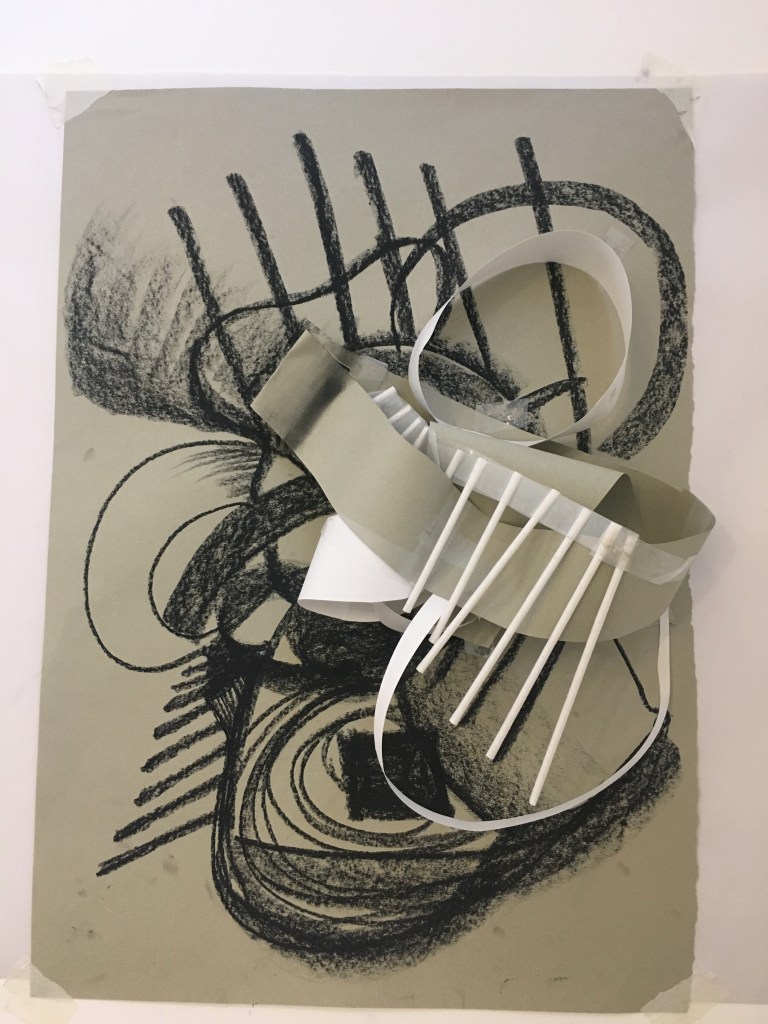
The inspiration for everything we made on day one of ESW came from a 15 minute walk at the very beginning of the day. We were asked to take in and consider shapes, patterns, textures, depth, scale etc. With all these elements considered I used the materials I was provided to create a 10 minute 3D response to what I had just seen. However found this challenging as we were only provided paper and tape. I tried mostly to show the angular and industrial elements of my surroundings as well as the differing levels and hight.

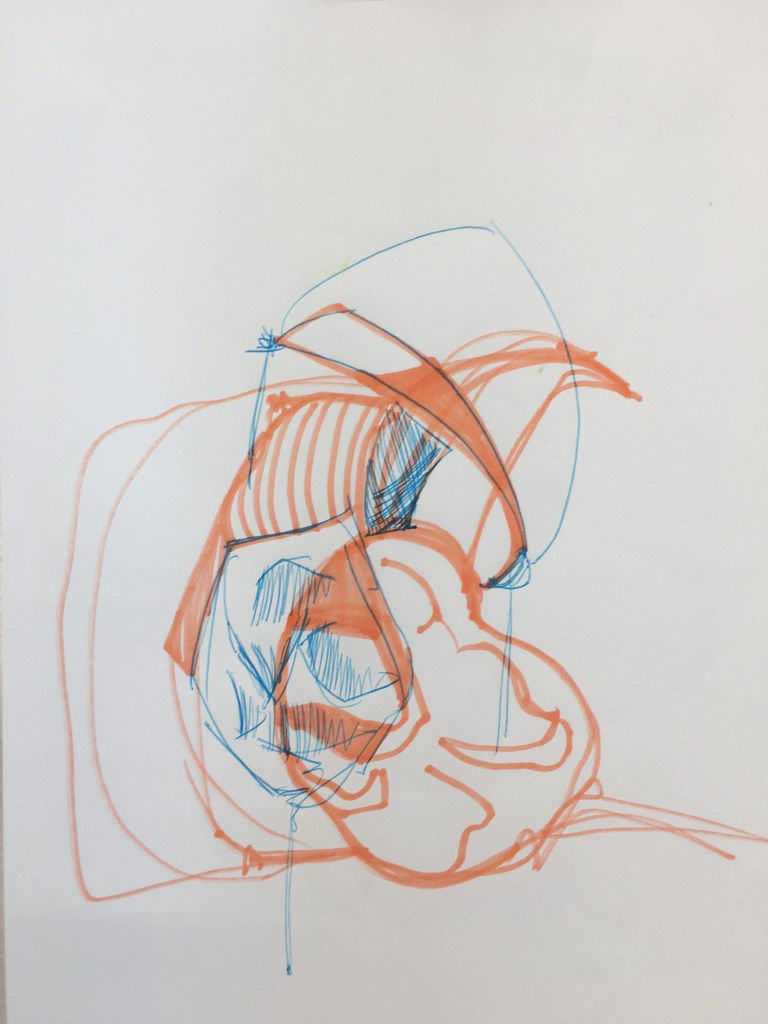
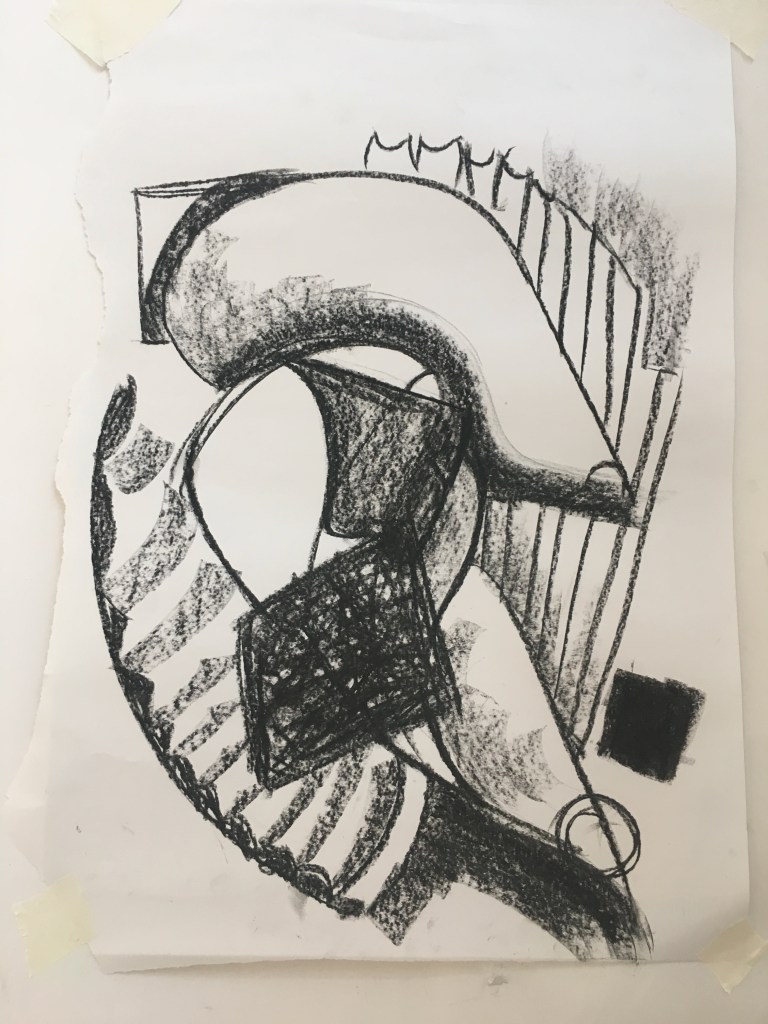
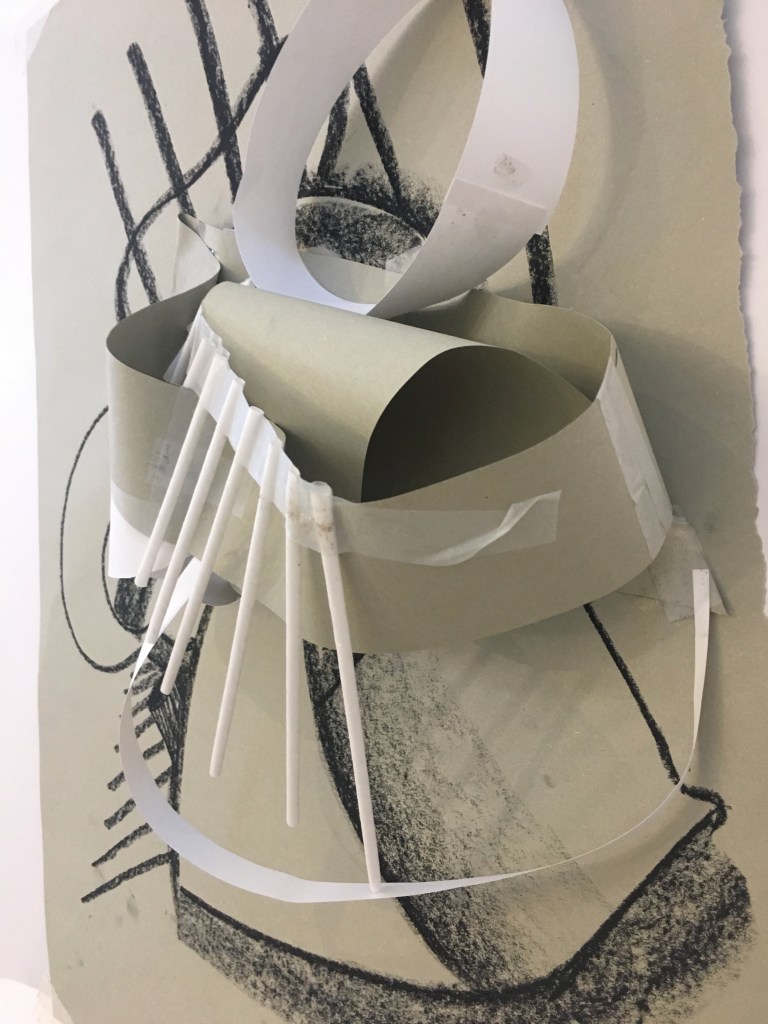
After reflecting and evaluating our timed paper sculpture we then were put through a series of translating 3D into 2D. Repeating this process created and produced a large variety of work.

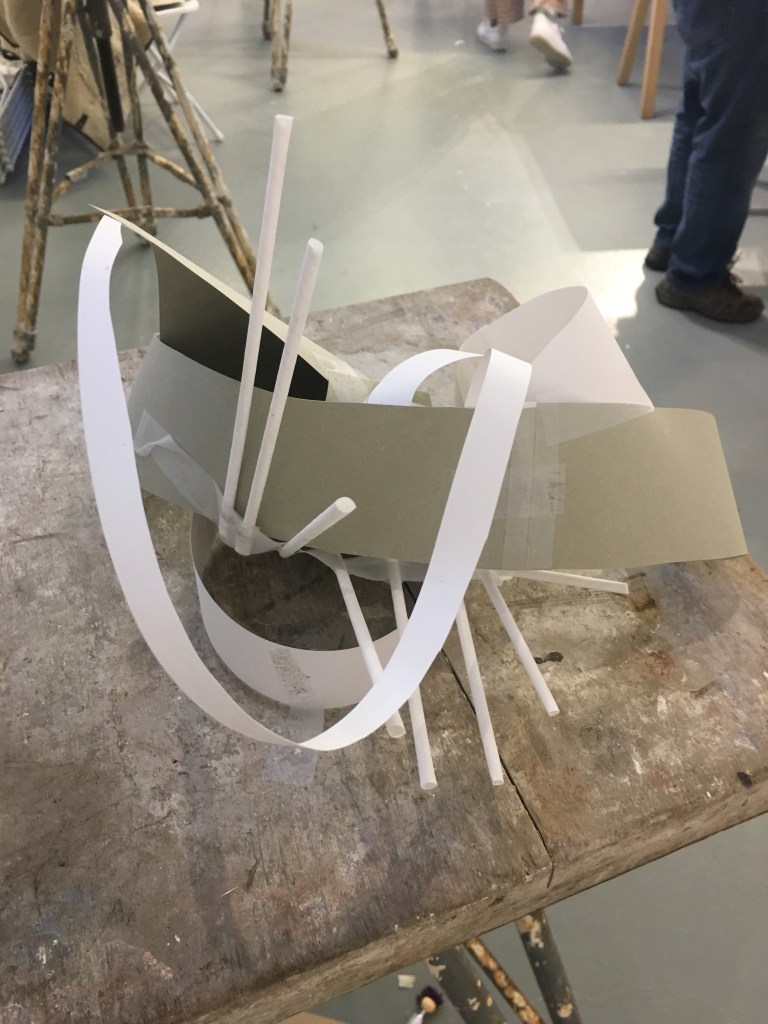
As the day progressed we were given more and more time with a larger range of materials. AS a result, the scale and complexity of the sculptures complicated and developed further. This creative cycle was quick and easy to do and I’m planning on implementing it on my own working practice when I feel stuck or I am unable to move forward with and idea.

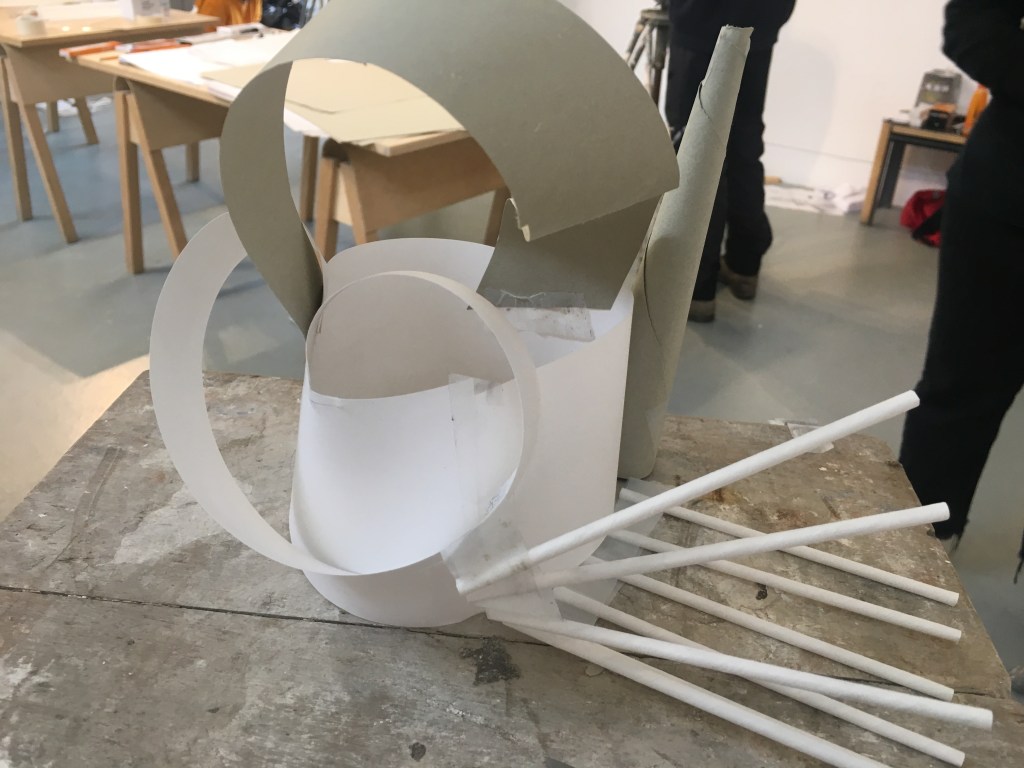
I was becoming more pleased with my sculptures astray developed and they became more complex holding a lot more movement and wight. It became important to consideration not only the space they occupy but the space they don’t. As well as how your eyes are led round the sculpture

Is it as interesting from all angles and dose it provoke you to move around it, be within it?

Combing 2D and 3D work further added texture and depth overall created an interesting piece of work from only paper, card, straws and tape. Also having learned not to be to precious when making work and constantly evaluating and reflecting on pervious work in order to move forward and improve the next stage.

DAY TWO

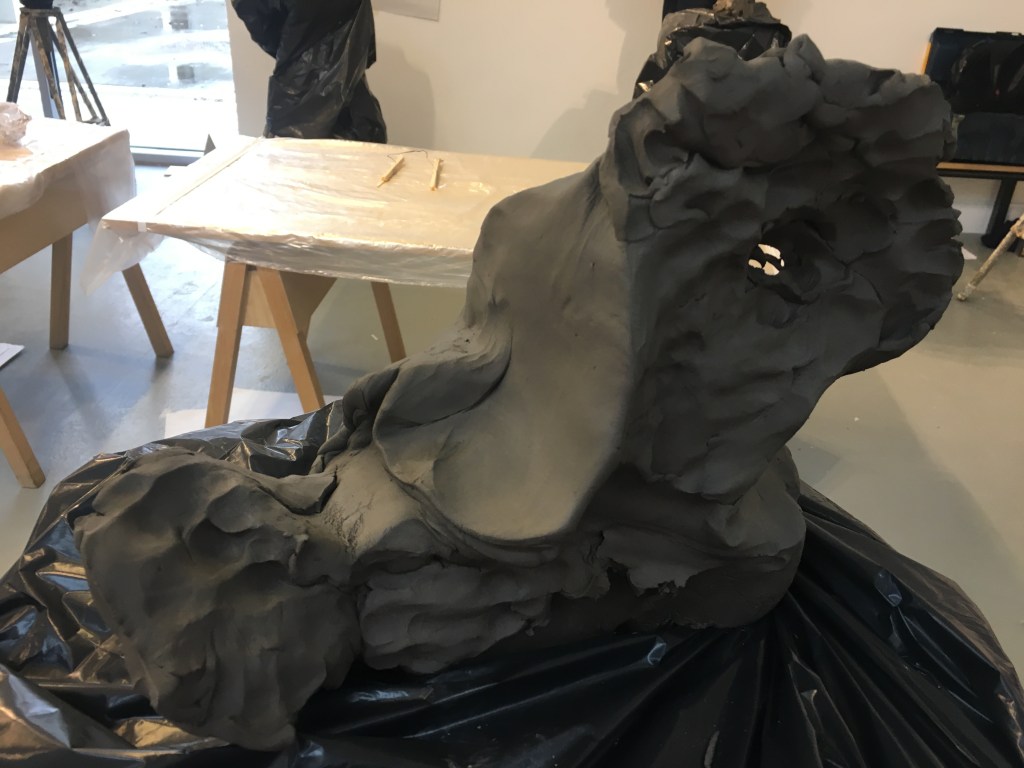
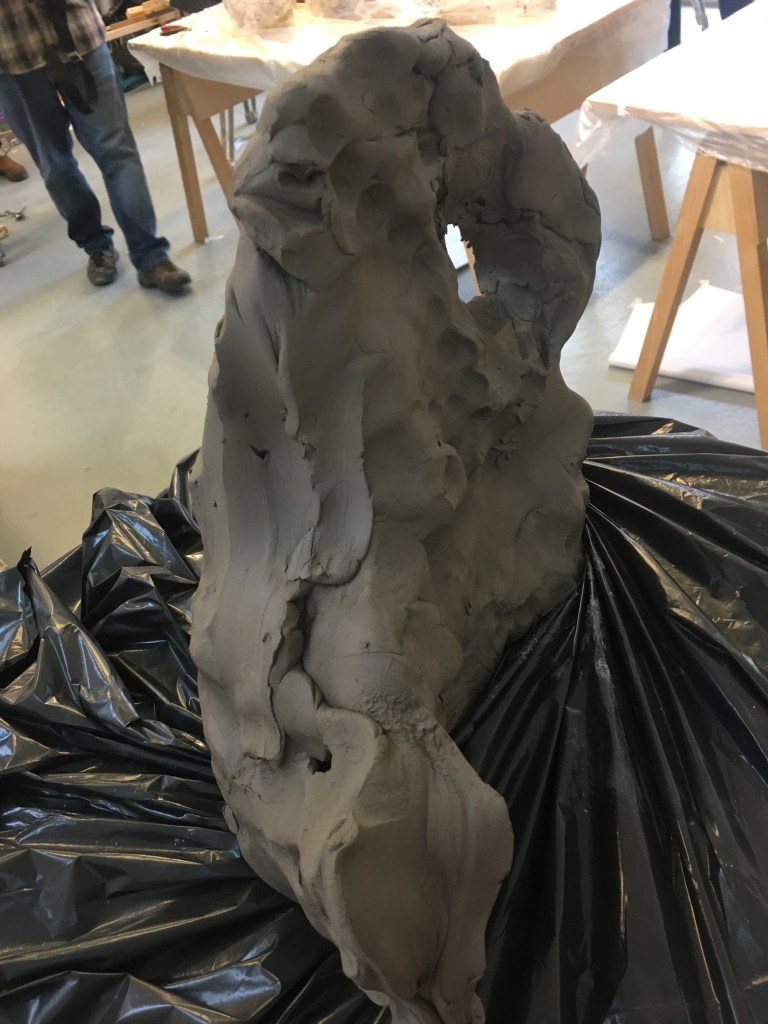
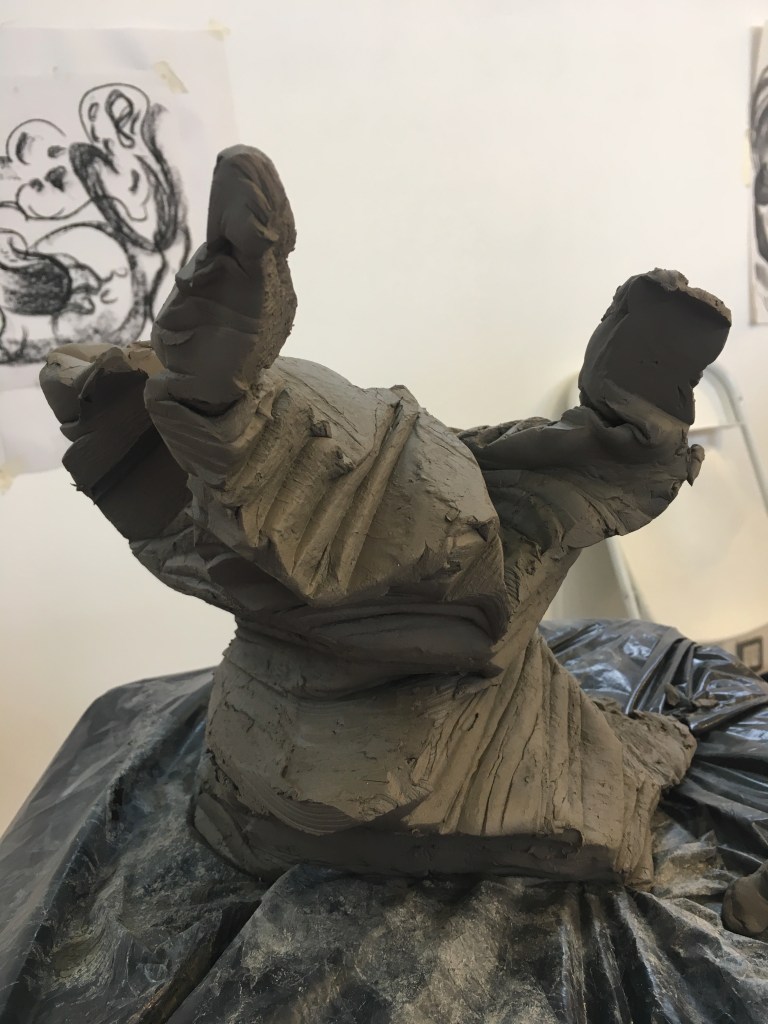
Experimenting using clay as a medium and form. First using our drawings from the previous day as inspiration for our clay sculptures as well as only being able to use our fists to move and mould the clay. Doing so allowed the general idea shape and form to come trough rather than focusing on the fine details and having an already fixed idea of the finished product in mind. If we had just used our hands as normal the results would have been a lot narrower and restrictive.

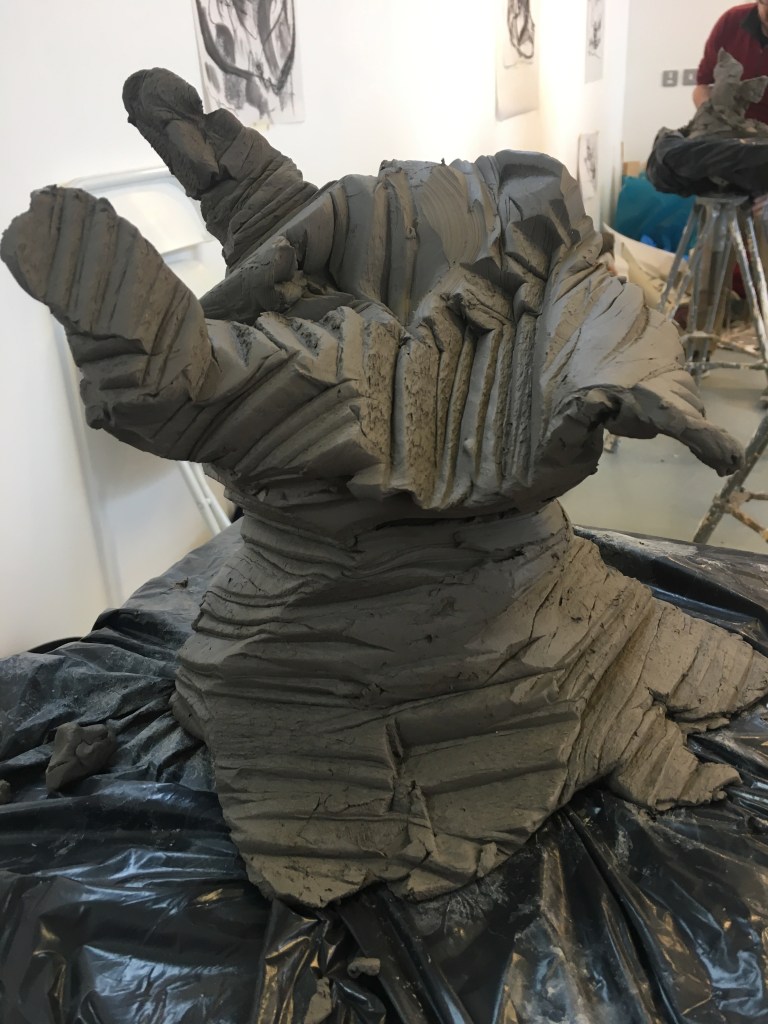
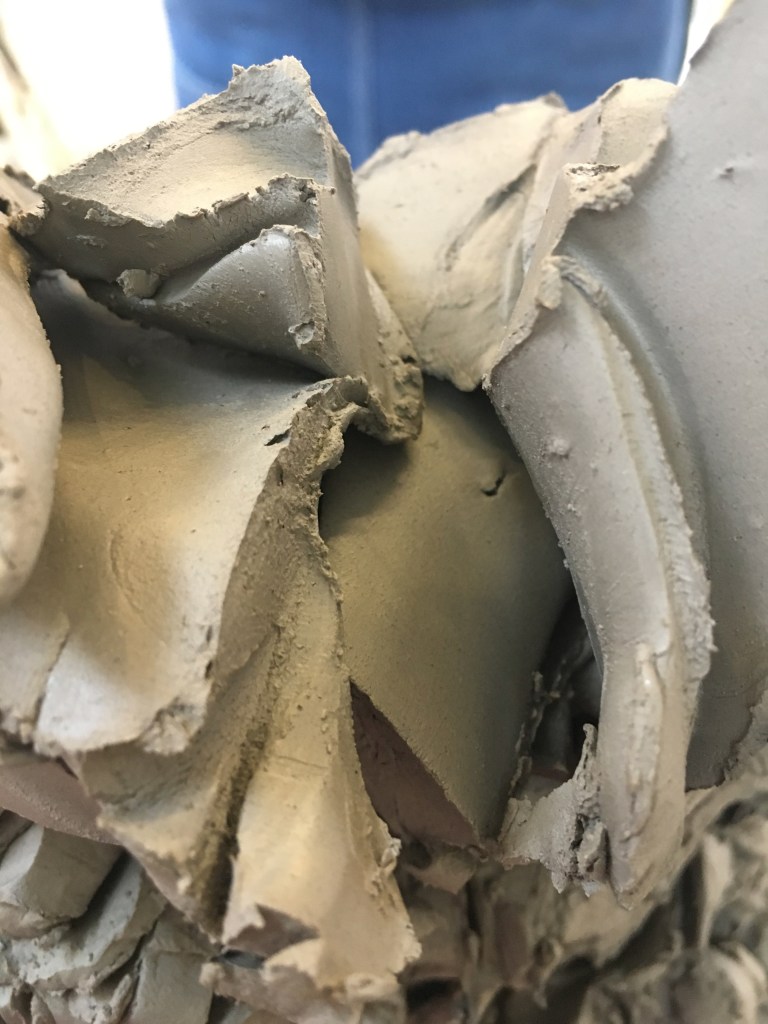
Next using wooden sticks as our tools this method was probably my favourite as I liked the voracity and twisted jagged effect it created on the clay it held a lot of movement and evoked you to take a closer look and move around the form.

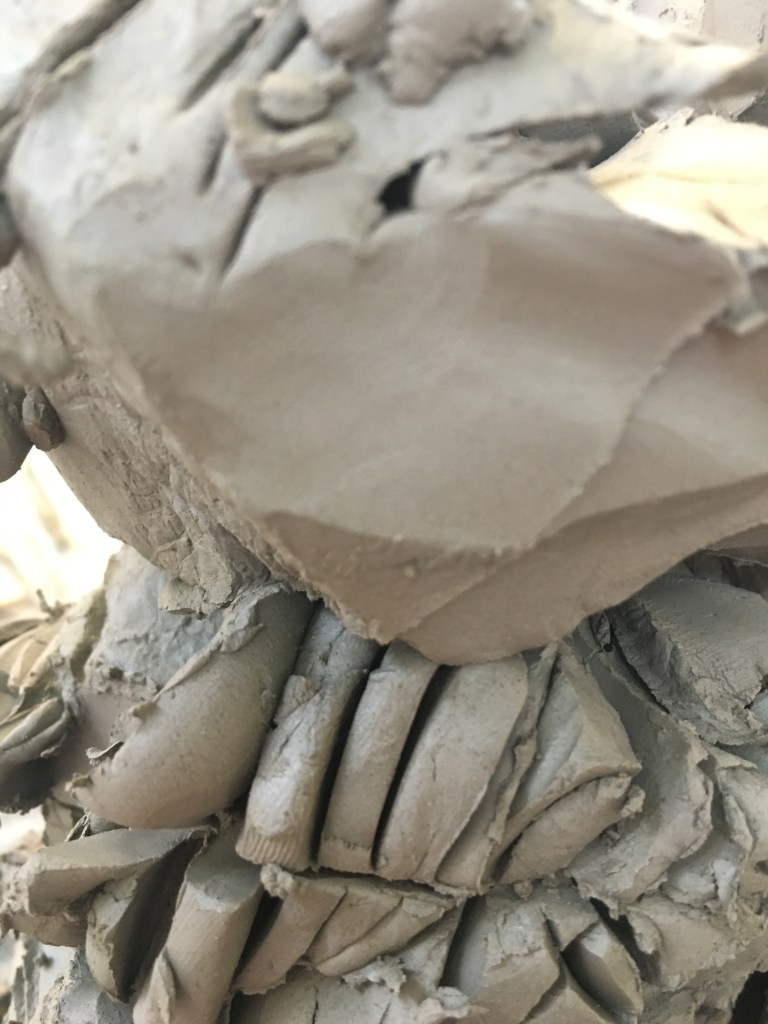
Finally, manipulating the clay using only wire I found the most challenging to control but still managed to find interesting textures and patterns along the surface of the clay rather than in the shape and form of the clay more than anything else.

DAY THREE

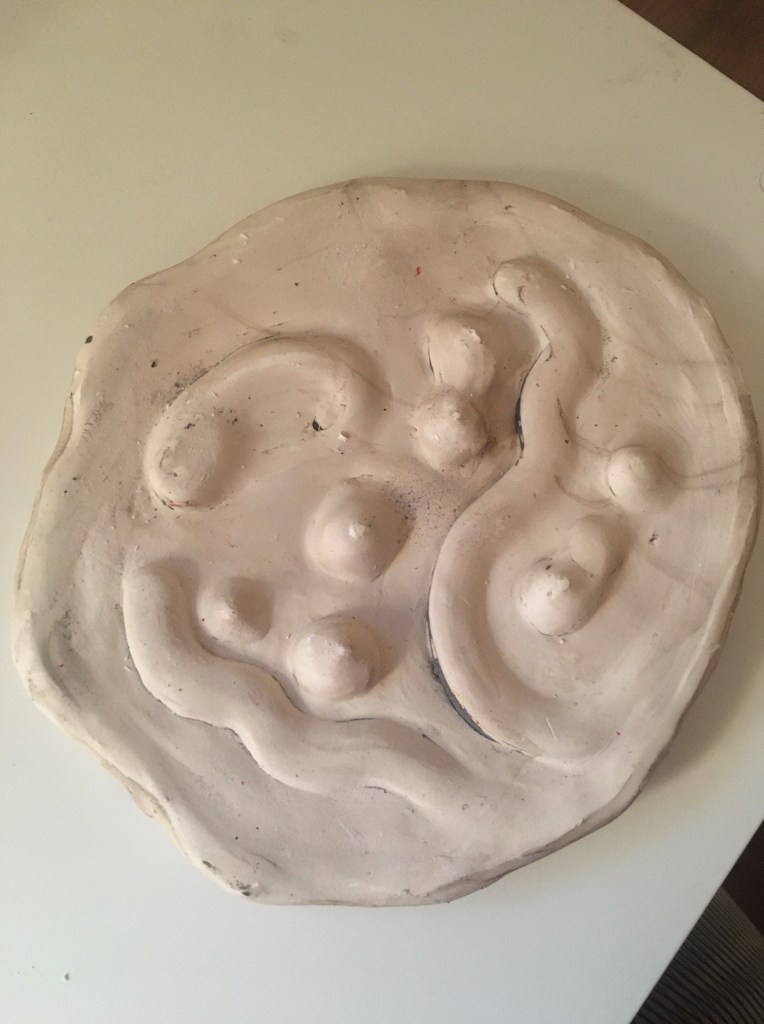
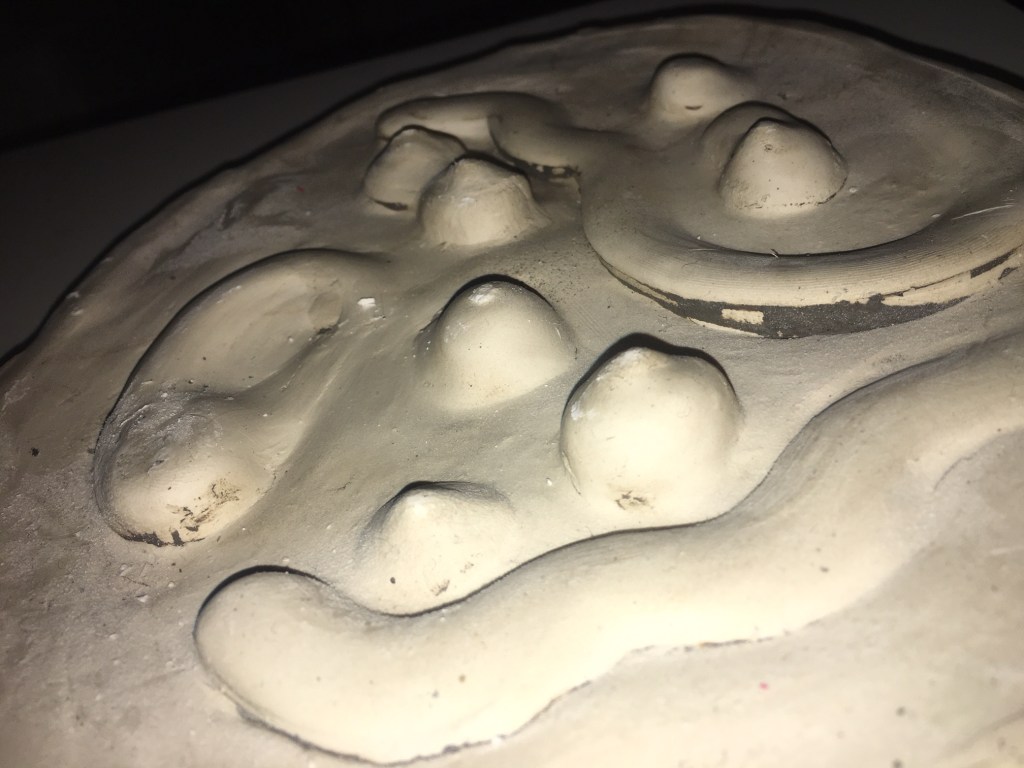
Using our drawing from the previous day to experiment using the plaster. I liked the finale results of the plaster and how it could be manipulated into forming lots of shaped however felt restricted once the plaster was set as it was difficult to change or connect to other materials and display. I felt the things I was creating also lacked movement and hight they felt very shallow and flat and only gaged interest within their fine details and texture. I think bringing colour to these would be beneficial and would add another level of interest.

DAY FIVE

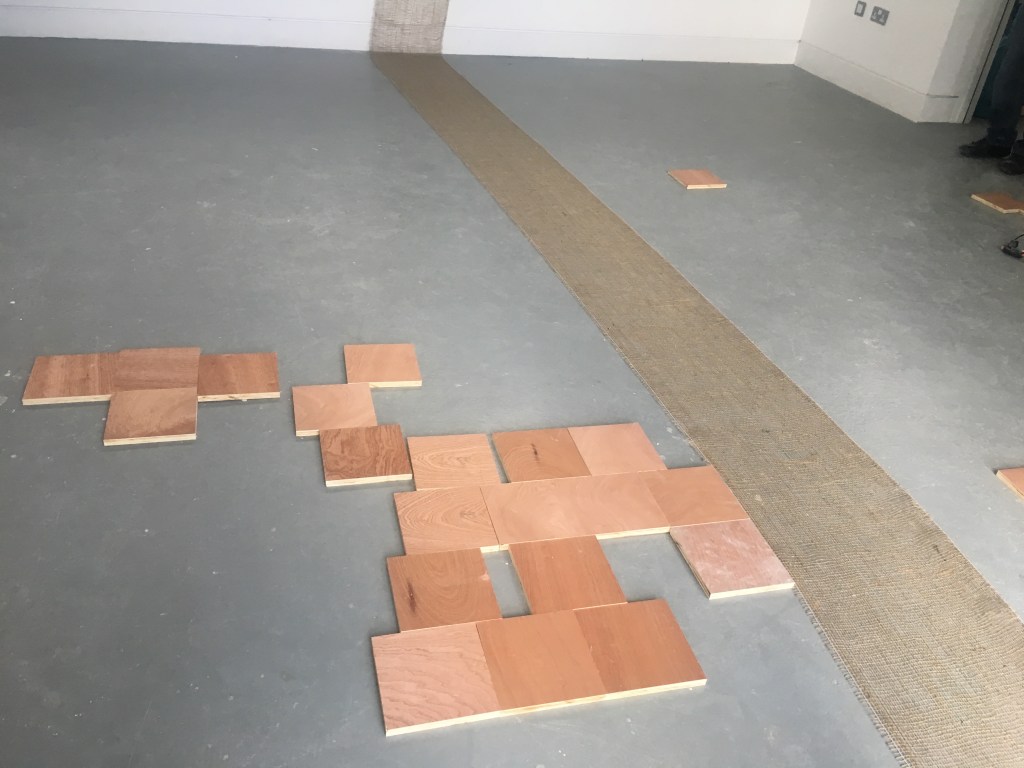
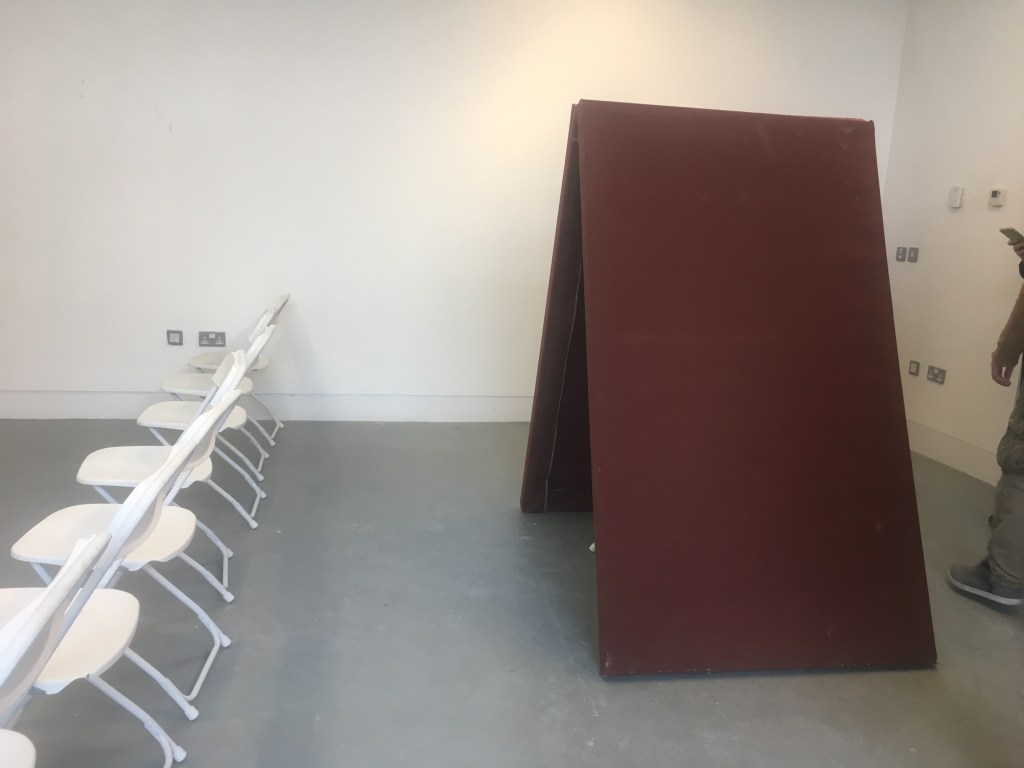
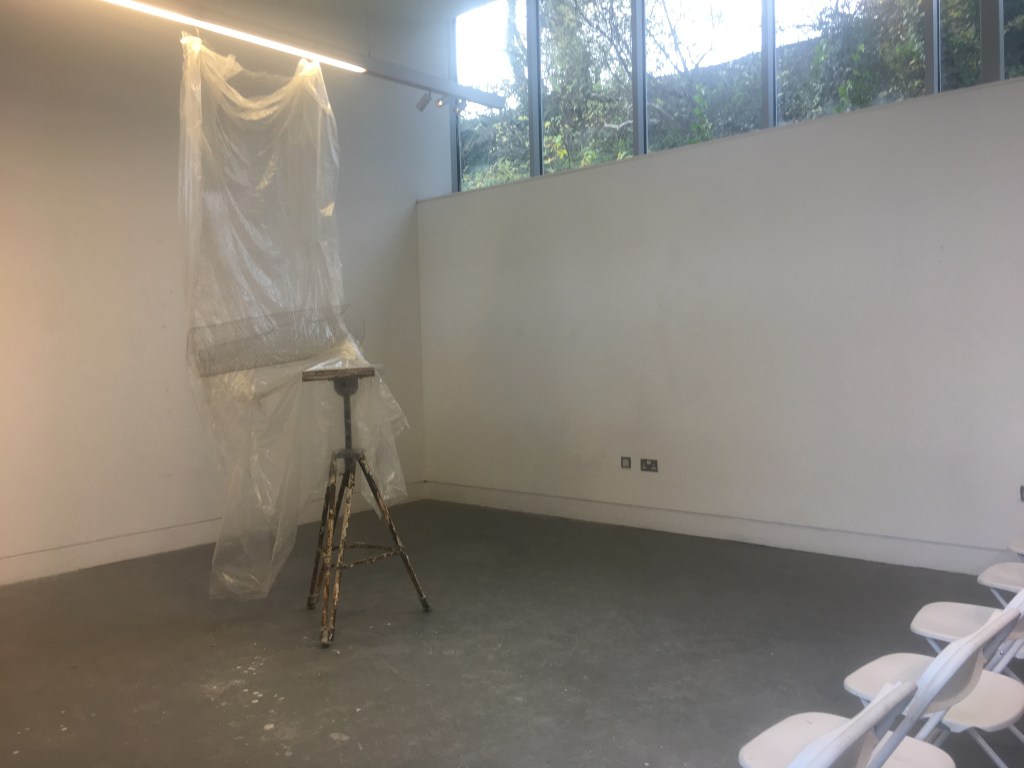
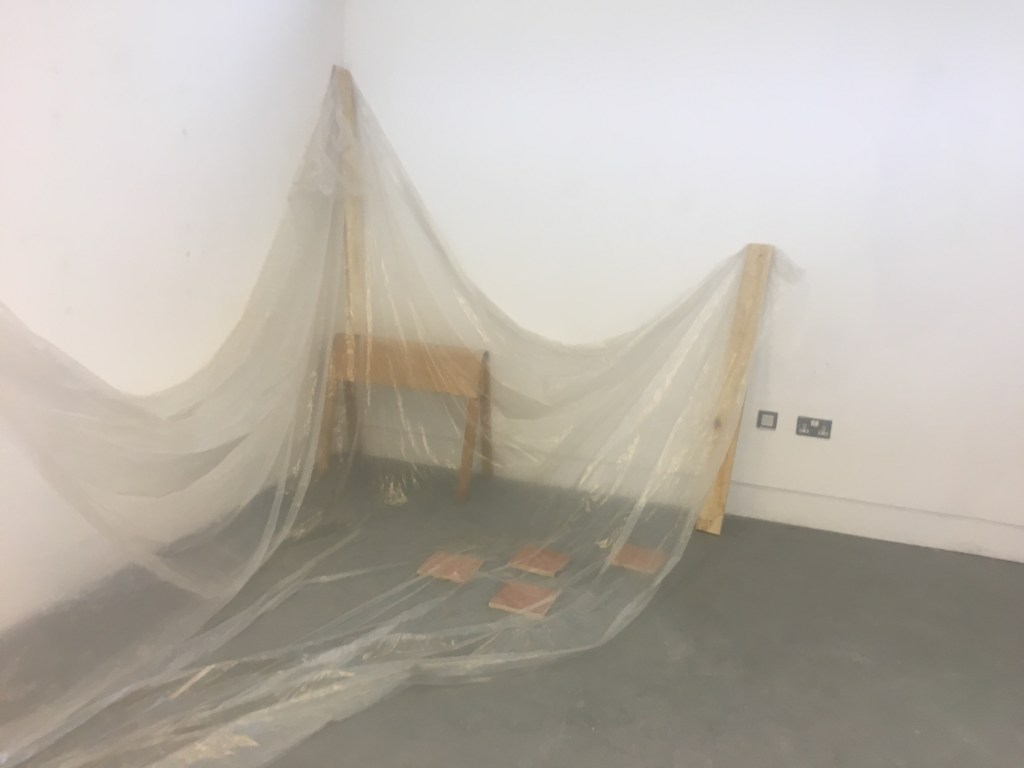
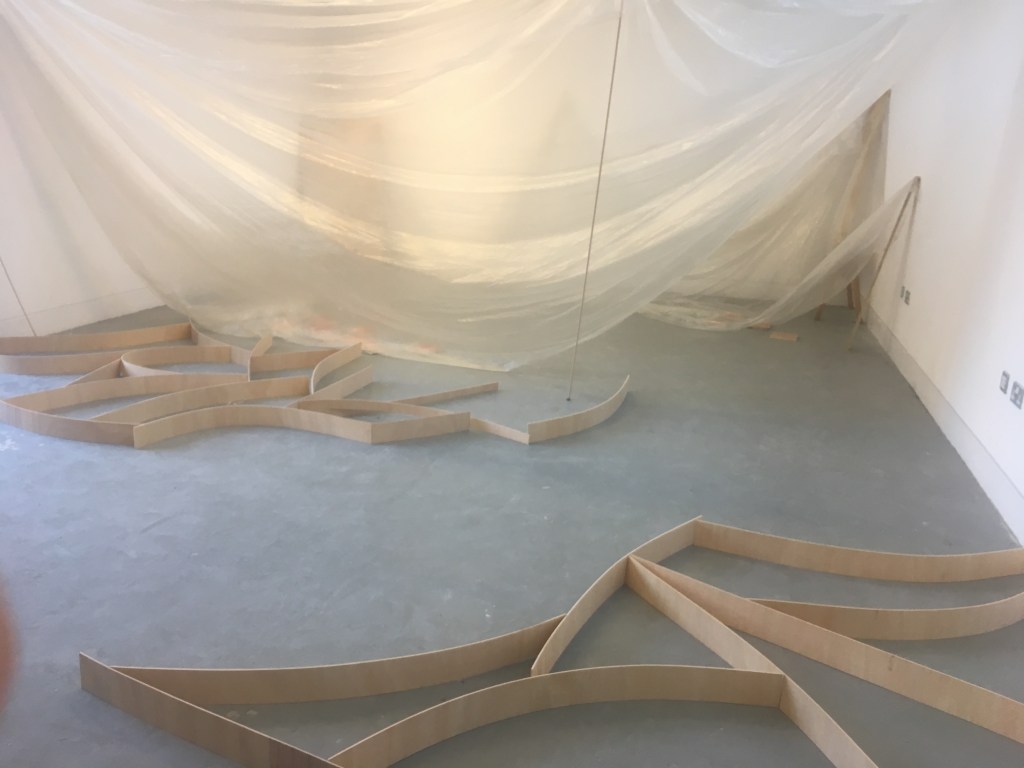
Creating installation art required us as a group to consider the space we were working in and how we wanted to occupy it/ what we wanted to say about the space. It was also important to consider materials and how our work interacted with the other groups.

We also considered light as well as how our work made you move around the space and where you wanted to look/ignored. Through the day our installations became a much grander scale and combine lots of different elements and materials.

EVALUATION

The week as a whole showed me not only how to approach a material or a specific type of working but how you must consider the space your work occupies and the space it doesn’t and how you want people to engage with your work. Having a back and forth with 2d and 3d i also thing will be helpful in future projects when i find myself stuck or unable to progress with an idea.

Consumption Development

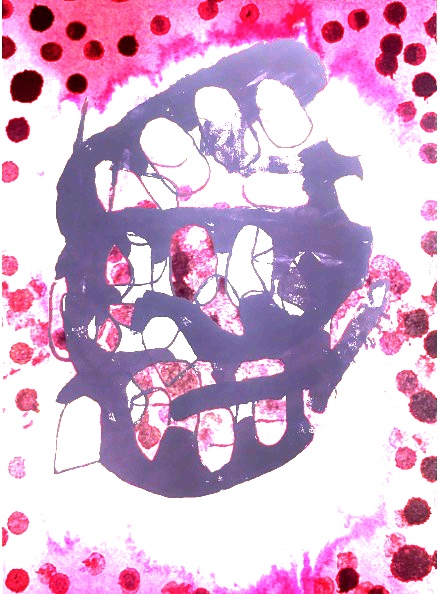
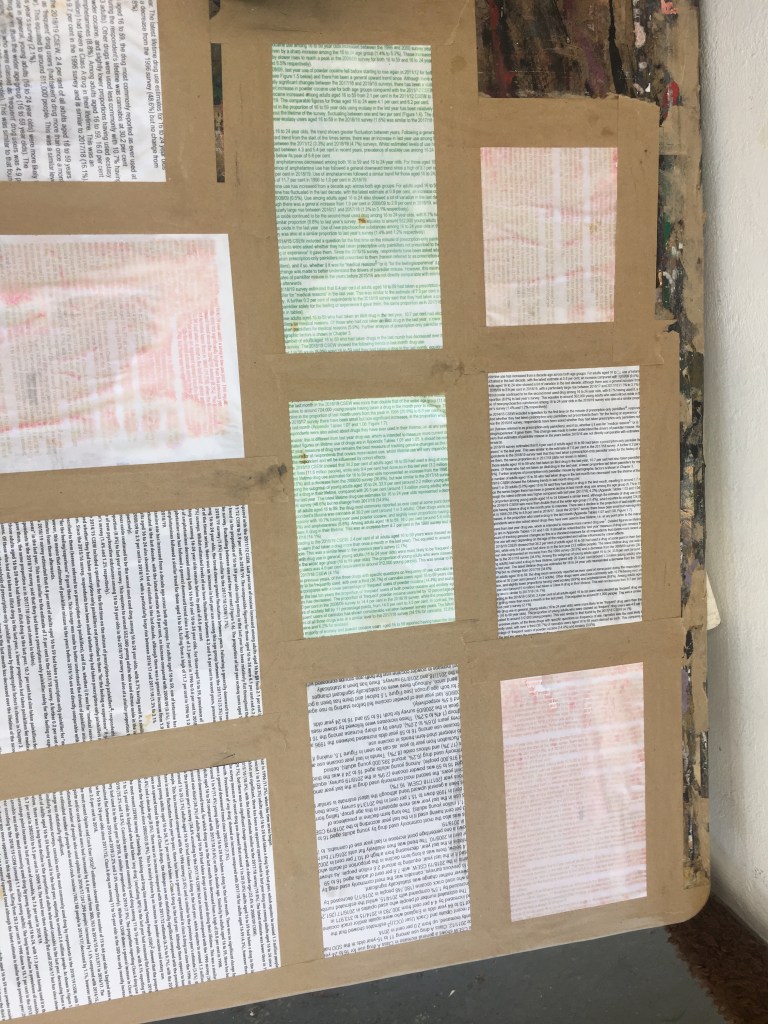
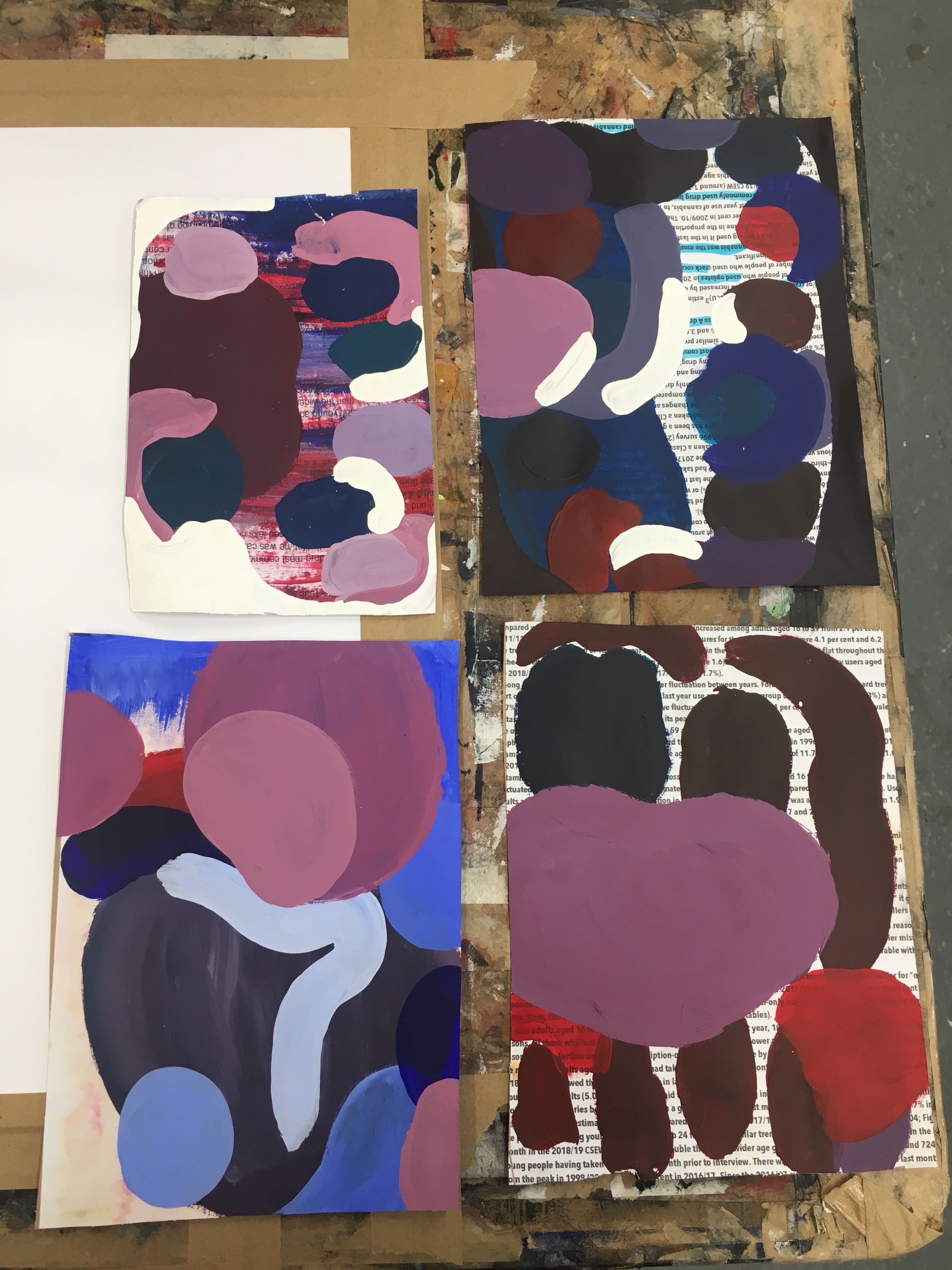
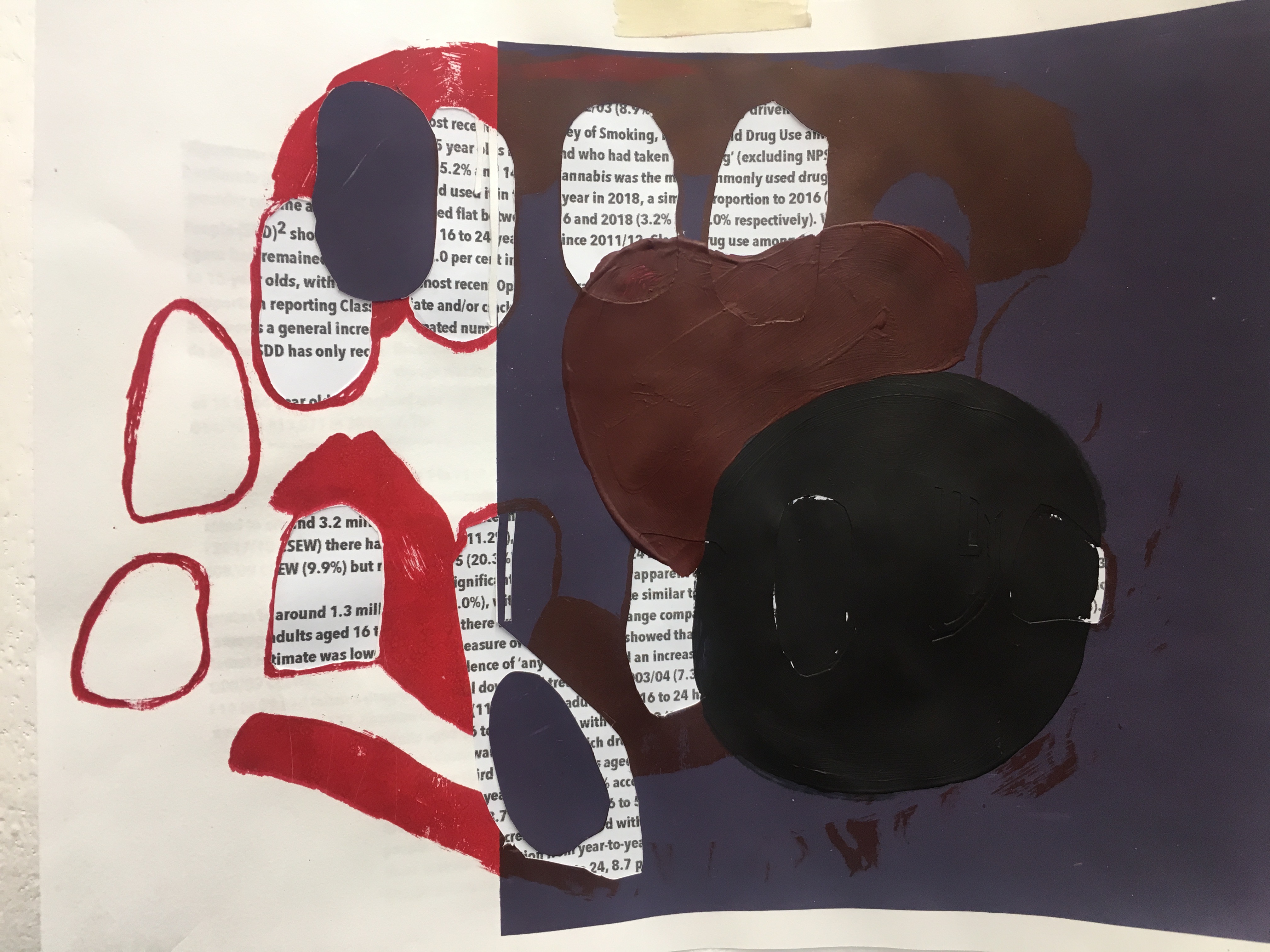
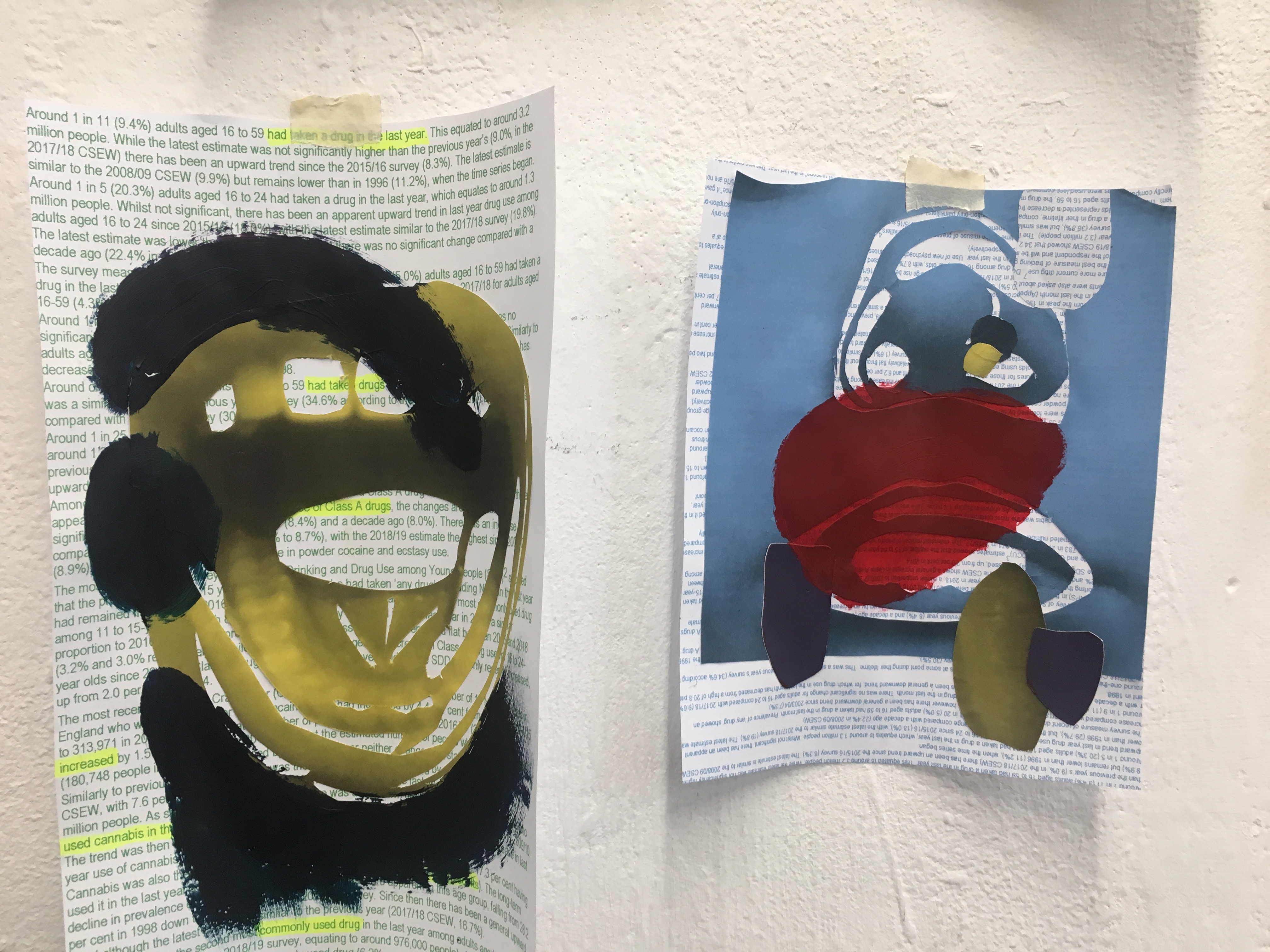
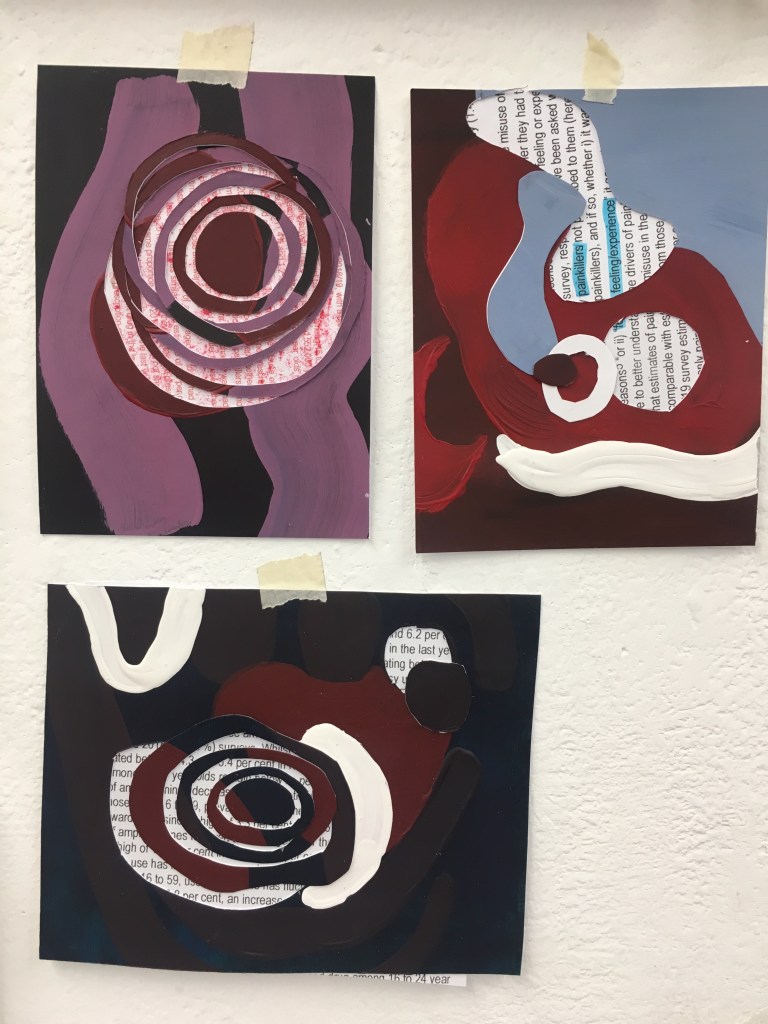
To further contextualise the work I was making I researched statistics surrounding drug and media consumption in the UK within the past 3 years. I printed out the statistics onto plain paper as well as existing prints before experimenting with them as a new layer to my work.

Using the statistics as prepared surfaces I was able to add another layer of meaning to my work, highlighting some of the words and statistics within the large overselling chunks of information

evaluation

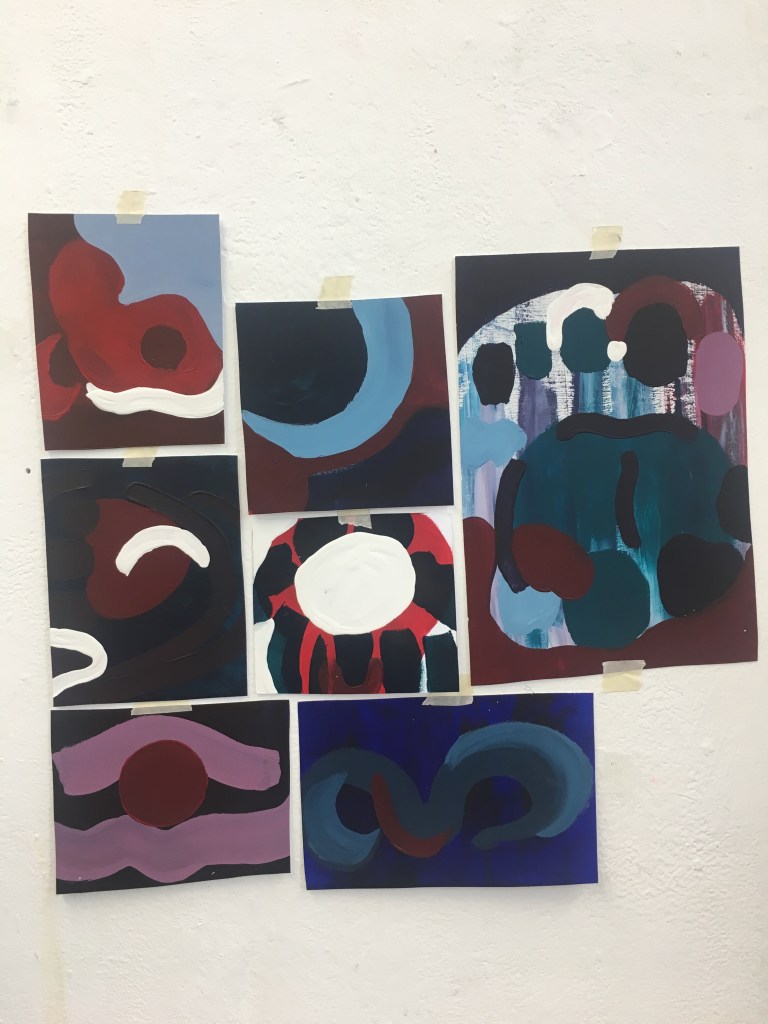
Good use of research as well as a large variation of ideas. Simplifying and abstracting images works well as well as use of colour/pattern and layering collage/paint. The use of dark colours and imagery effectively conveys the ominous undertones and theme. Using the statistics added a depth of information to the work both literal and visually and was well integrated however the information could be made more obvious. The final presentation of work needs to be clearer on what is considered to be the more resoled and finalised work as on the wall it appears to erratic and difficult to navigate. Moving forward it would be interesting to experiment with digital and further explore movement and sound. Would also be interesting to scale up work in order for it to become more physically immersive and communicate the feeling of falling in/out of something (vortex).