Secrets: Week 2/3

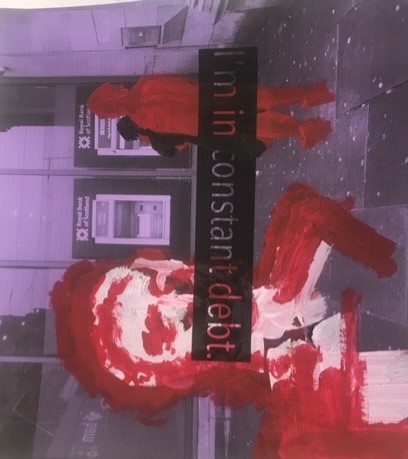
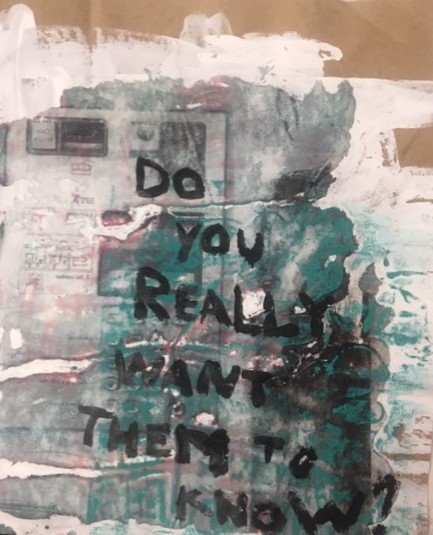
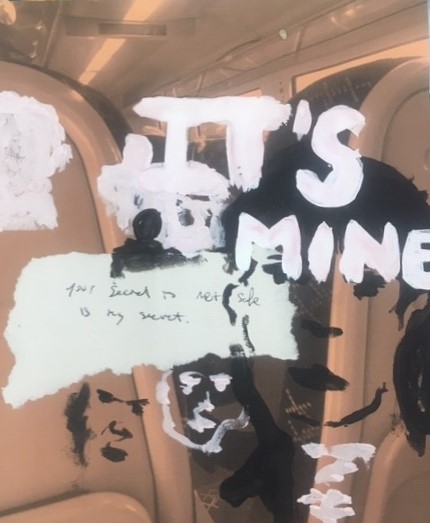
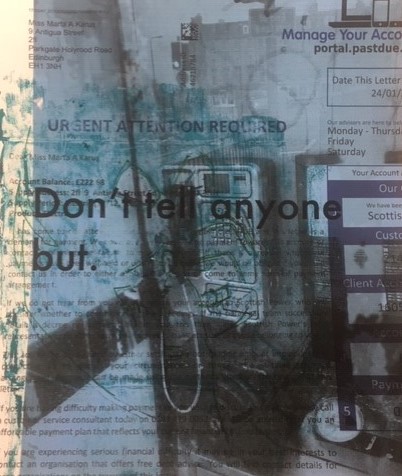
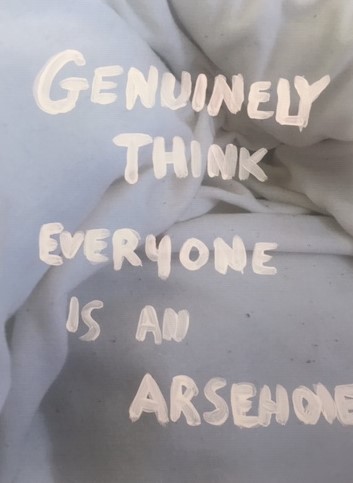
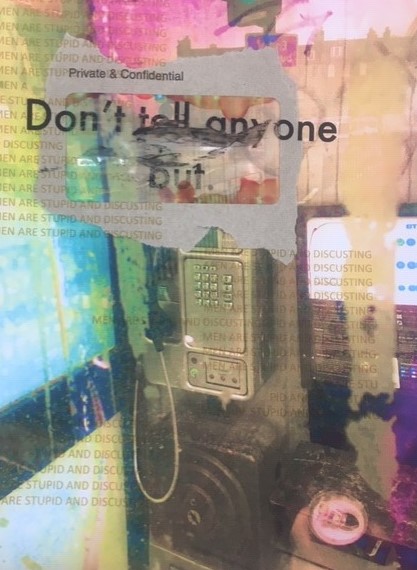
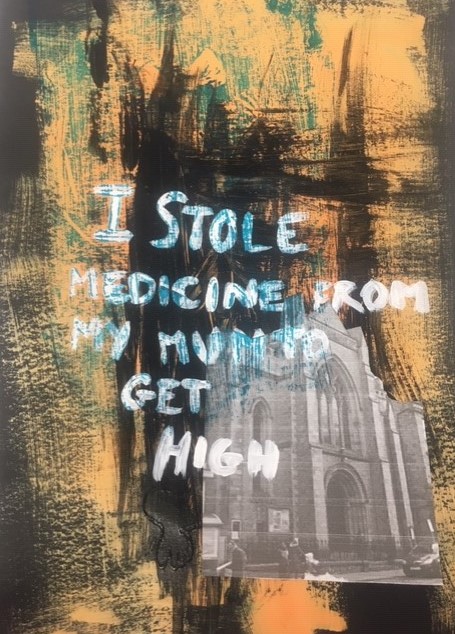
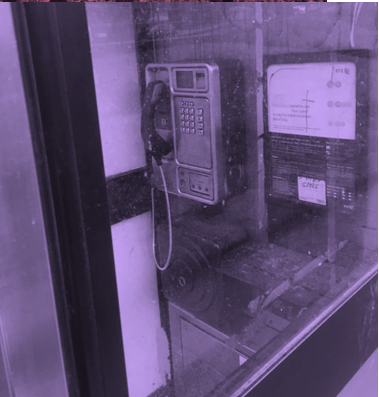
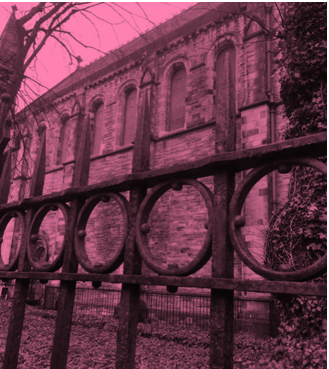
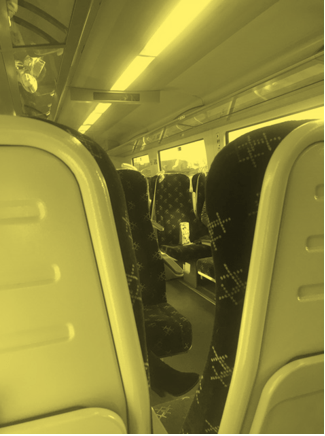
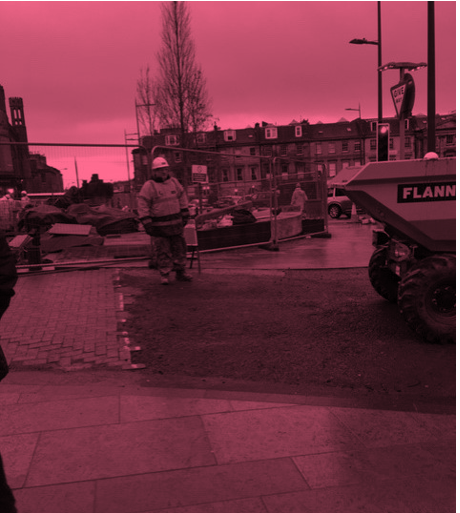
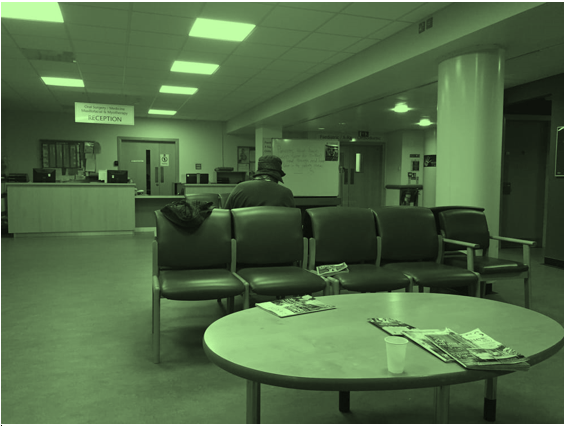
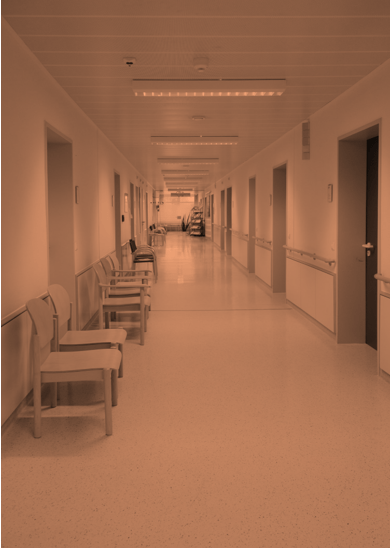
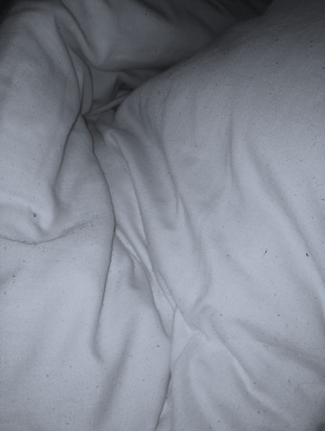
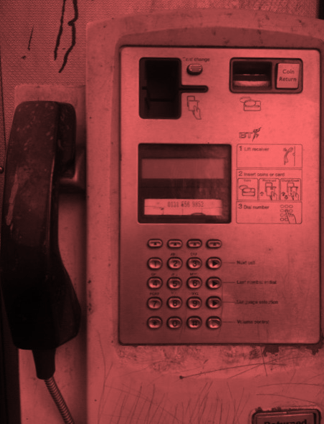
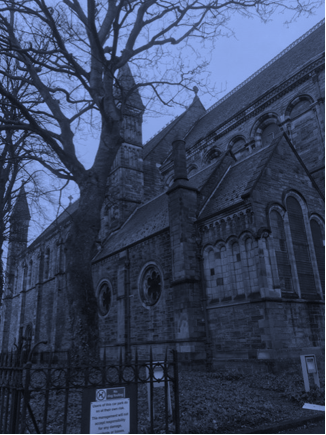
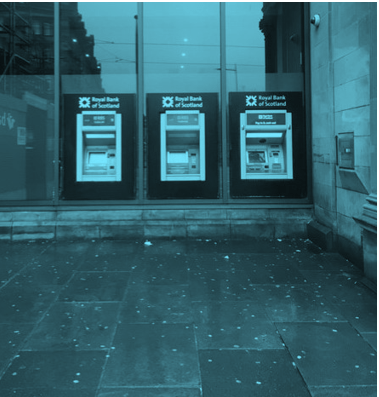
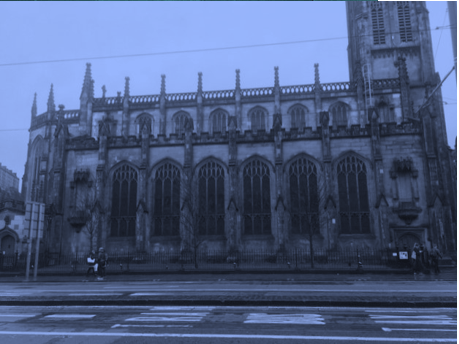
taking and editing these images i found that layering over a coloured filter made them more interesting and look better when layering with text and other images. The colour overlay also makes these places seem more still and diluted almost more quiet and dream like, it pushes the images into the background.

Research

I also started researching into why people feel the need to keep secrets and how it effected them. 97% of people are keeping a significant secret at any one time. This makes this idea of having one more relocatable and feel less important knowing everyone else has the same “keeping” responsibility. Despite this topic occupying all of us, there is little research on what effect it has on us in our every day life. The ability to keep a secret is a big milestone as a child. It confirms this idea of having trusted information between another person. A lot of my project is going to revolve around this feeling of trust and inclusiveness

The majority of research suggests that keeping a secret weather that be just with yourself or a select few people can leave you feeling anxious and weighted with your own information and responsibility; sharing it with other people may only make it worse through fear of them telling more people. The idea that you are the one holding this information and choosing to share it or not seems to have negative impact on your mental and in your relationships with others. However the problem inst the actual keeping of the secret its the idea of having to live along side them in our thoughts. This is why i wanted the secrets i gathered to be in and amount my collages and images of places where your mind dose wander.

However in my own researcher as i found speaking and communicating with other people about my secrets and theirs a very positive thing. There is this idea and feeling of inclusiveness; being in on something and feeling valued enough that person would communicate something so valued and concealed with you despite the fact that that is you taking on more secrets that you need to keep. In relationships with other people i think that secrets are a real sign of trust and confessing things about yourself makes you feel better as you often get a similar secret or confession in return.

I wanted to explore the 2 types of secrets I was receiving and could differentiate:

  • Shameful or embarrassing subjects- sex-money-cheating
  • What people are really thinking – social commentary and thought and the social pressure to be polite

Layering/Print/Paint/Collage
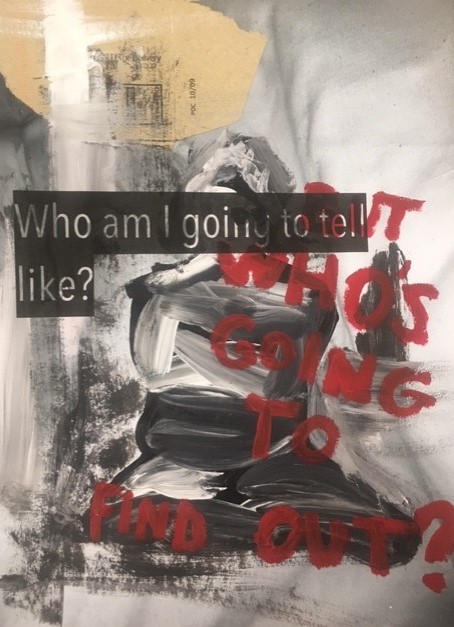
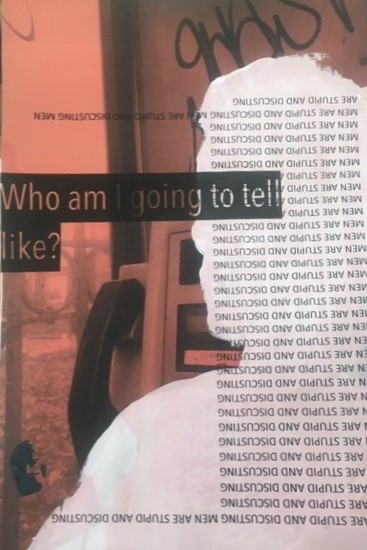
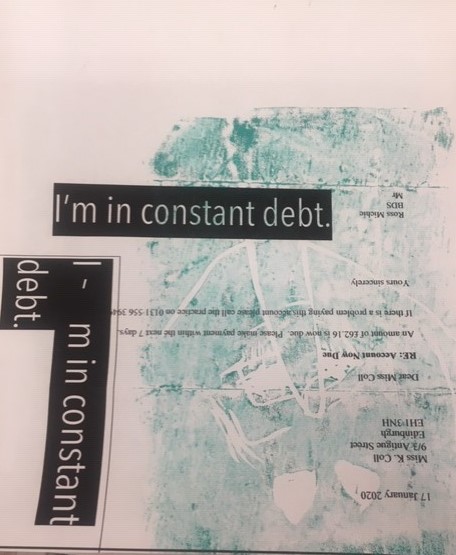
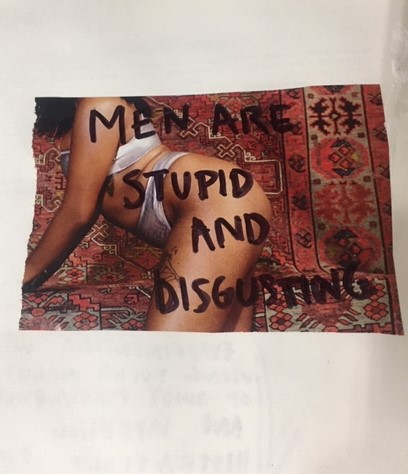
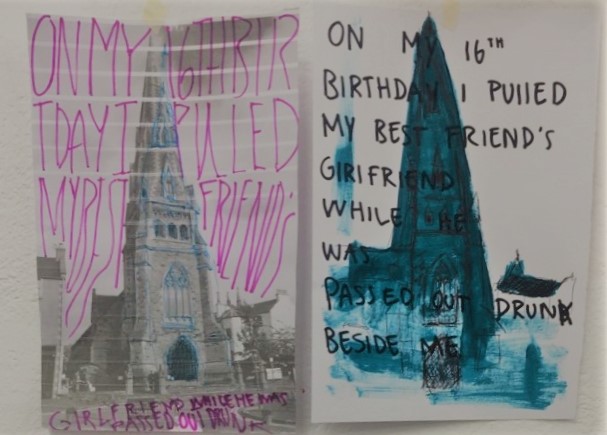
I experimented with layering college, painting, printing and text. As well as including the original confessions i included phrases like
“Don’t tell anyone but”
“Who am i going to tell like”
Phrases that came up a lot when discussing a secret or confessing things to someone. who am i going to tell becomes a question of someones character as appose to an actual question. Asking the person who is telling you if you trust them enough not to tell others. Because as an adult the reality is that you have the ability to tell anyone physically or even over social media. It reminds me of making a ‘pinky promise’ when you were younger.

Major Project: Secrets

starting point:

The initial theme for my projects secrets and my plan is to investigate and explore why and when we keep them. I would also like to research into the communication (or lack) of secrets and the idea of trust and confession.

I moved on to consider all the different elements I could respond to

  • Being told to be quiet- where/why
  • knowing something is hidden beneath/from you – layering images
  • Chinese whispers- changing of information throughout poor communication
  • The power of feeling inclusive
  • Negative feelings associated with having a secret and not feeling authentic

Initial Responce

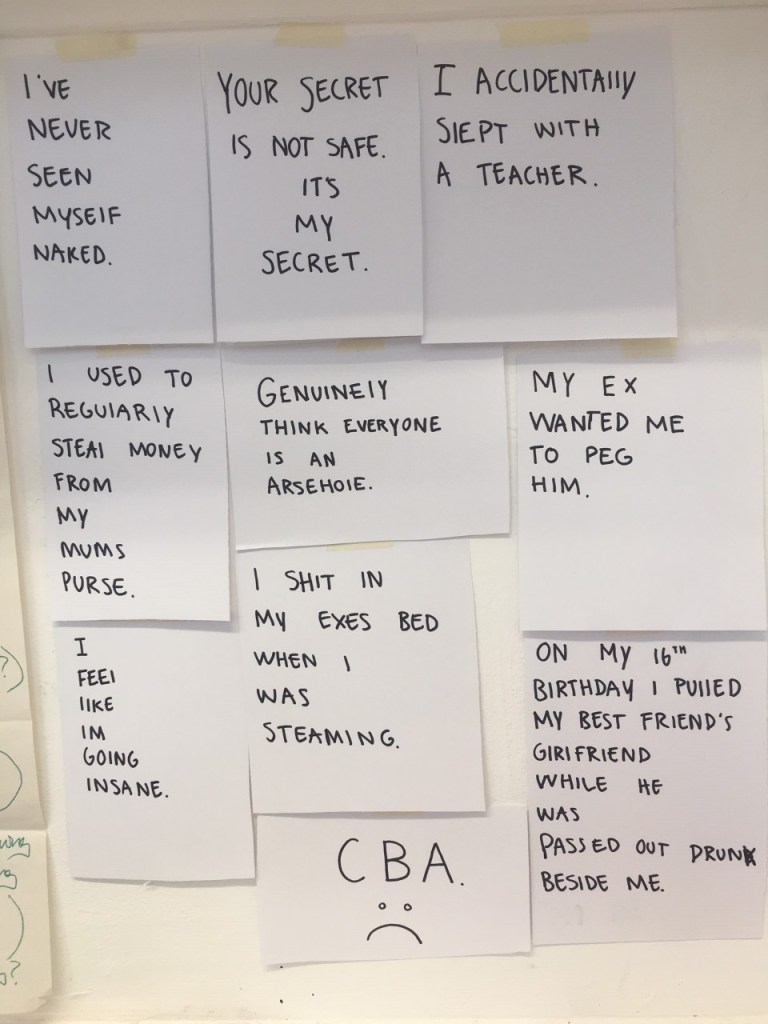
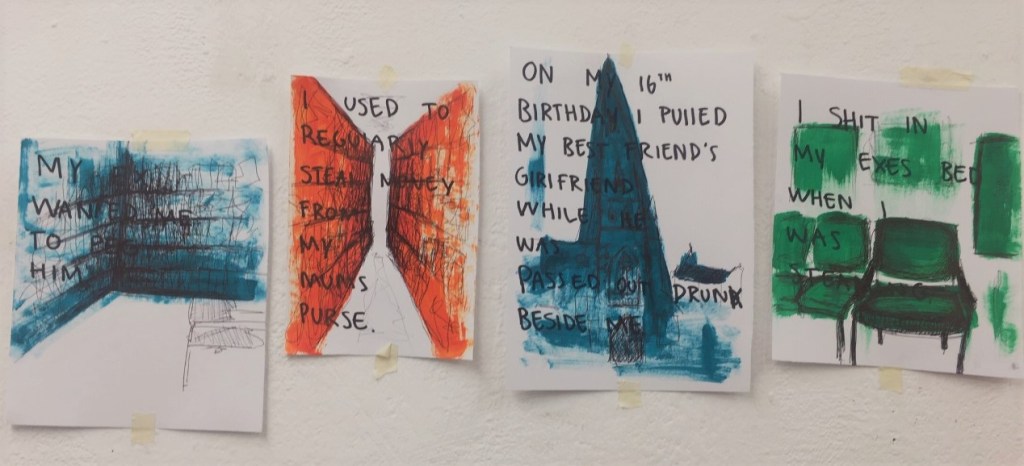
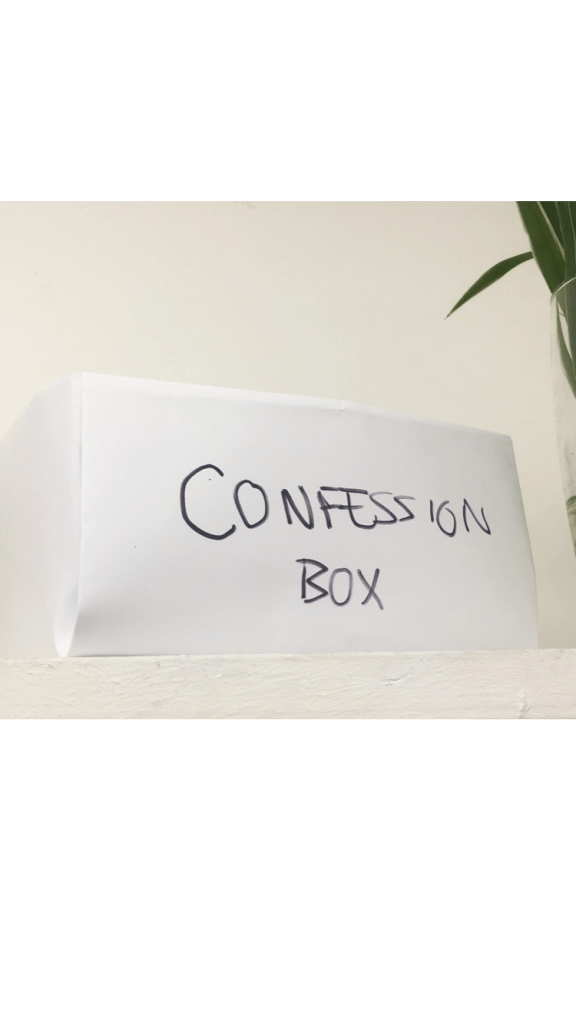
As my initial response to my project idea I asked people write down a secret or confession anonymously. I then re rote them in my handwriting just so they were consistent looking and it was easier to read. Me re writing them also took away and chance of recognising someones hand writing. The confessions themselves all focused around traditionally taboo subjects and were things people would maybe be embarrassed to admit to allowed. However, tho writing these things down isn’t the same as expressing them vocally I think that putting it down on paper and into text makes it feel more real and permanent. There were also some that were things people often think or wish they could express in response to what’s is happening around them or who they are around but cant because of social pressure to be quiet and polite. For example “CBA” “I think everyone is an arsehole”

This then got me thinking about place and where and why we there holds this social pressure to be quiet and respectable. Places like churches/bus/ stops/ trains/ waiting rooms/ in bed/ when someones on the phone. So i went and took images and sound clips of all these places i associate with quiet and being reserved. I also thought it was interesting that these are all places we tend to fine our-self’s alone and with our own thoughts – things that may be considered secretive are thought about in very public spaces.

Before taking my own images i just did some small experiments with layering the confessions with found images of these locations that are associated with being quiet.

I experimented with layering one on top of the other however thought that the image of the place layered over the confession worked better both visually and conceptually – the inner secret being hidden and compressed to the persons head because of the social environment and location.

I liked the layered contrast of the images and text as well as the shapes of the images hiding and obscuring the messages underneath. moving forward I wanted to experiment with layering and collegeing the two elements again with my own images.

Secrets: Artist Research

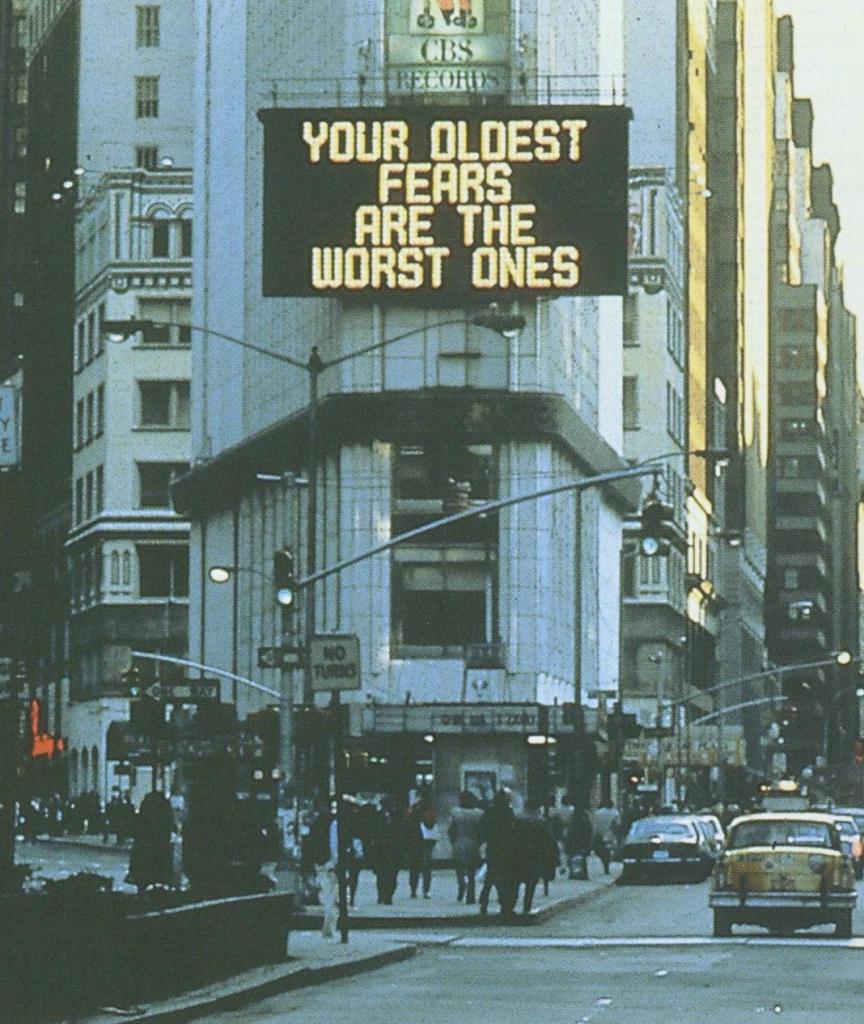
Jenny Holzer

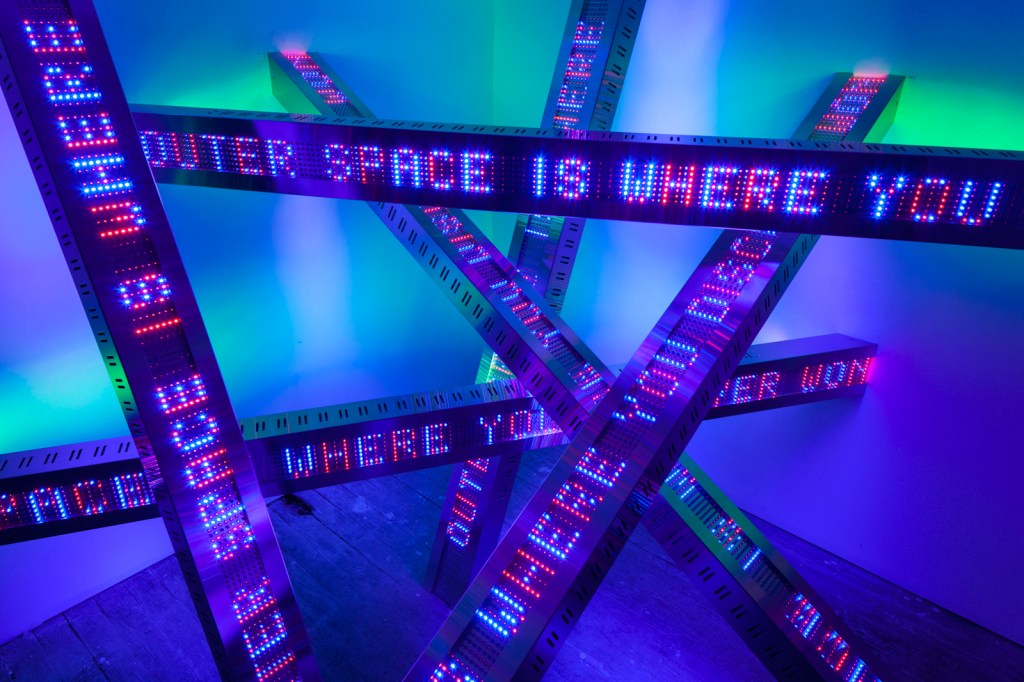
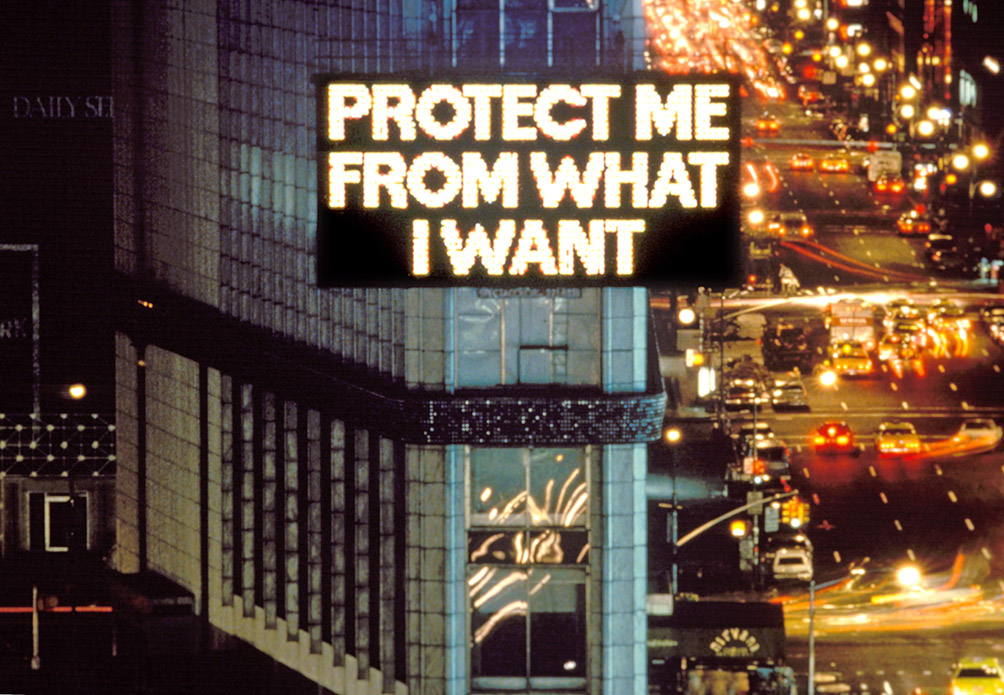
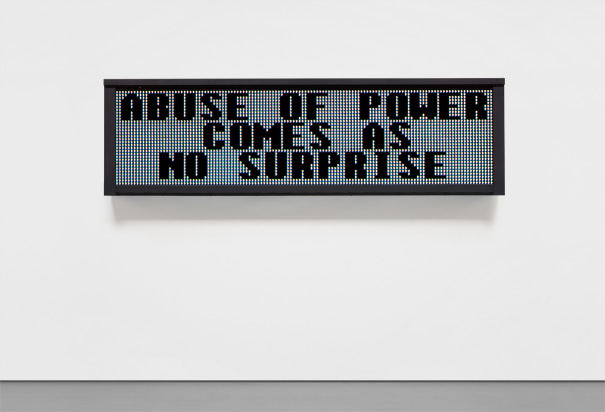
The artist was born in America 1950 as is based in new york. The main focus of her work being delivering messages using text in public space. Here conteporarys include artists like Cindy Sherman, Barber Kruger and louise lawler. She is associated with the feminsit artist that emerged in the 1980s. The public apperance and grand scale of her work is crutual to her practice as well as using projections prints and neon text. Although her diverse practice incorporates a wide array of media including street posters, painted signs, stone benches, paintings, photographs, sound, video, projections. Her work pollutes and takes over structures using this mass media asthetic of being oversaturated and VERY public. her work is directed at the casual viewer rather than gallery visitors. Her bringing her work ou into public spaces i find the most interesting. exposing her audience rather than inviting them. I want to incorporate this elemnt of playing with the idea of audience; who and where am i trying to engage. Using text as a way to ingage the viewer is also something i want to experiment with.

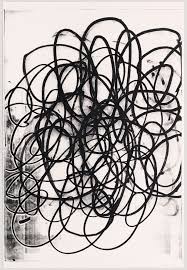
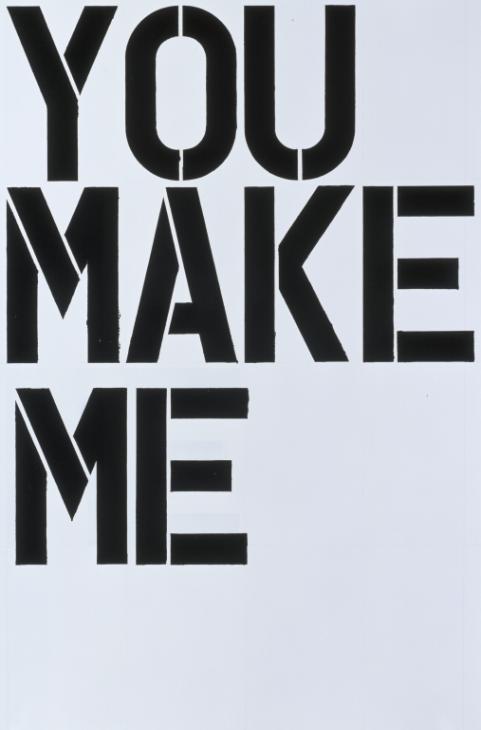
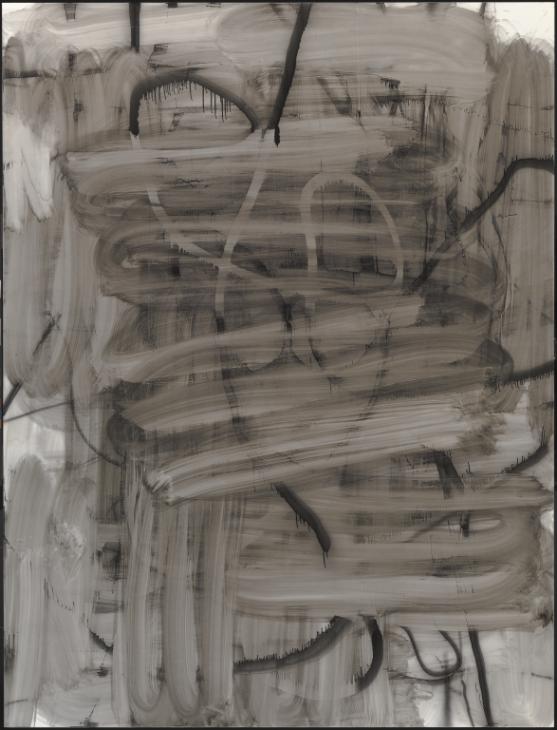
Christopher Wool

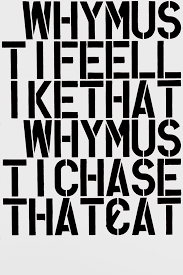
American conceptual artist who is based in New York. He I best known for his paintings of large black letters on white canvases. These works began in the late 1980s inspired after seeing black graffiti on a new white truck. The words tend to be broken up by grid system or have the vowels removed so much so that they often need to be read aloud to make sense. Although he is best known as a painter he has a large body of black and white photography of the streets of Chinatown. I like the straight forward and confronting attitude the artist’s work has. This quite literally black and white message leaves not much to be debated in terms of meaning and message. Forcing his audience to read and understand. 

Jean Michel Basquiat

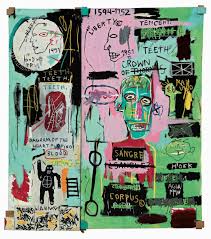
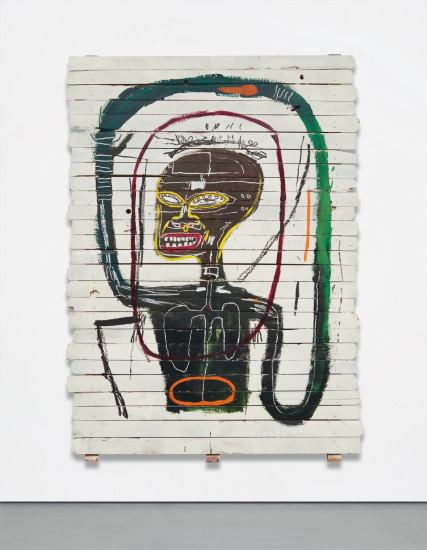
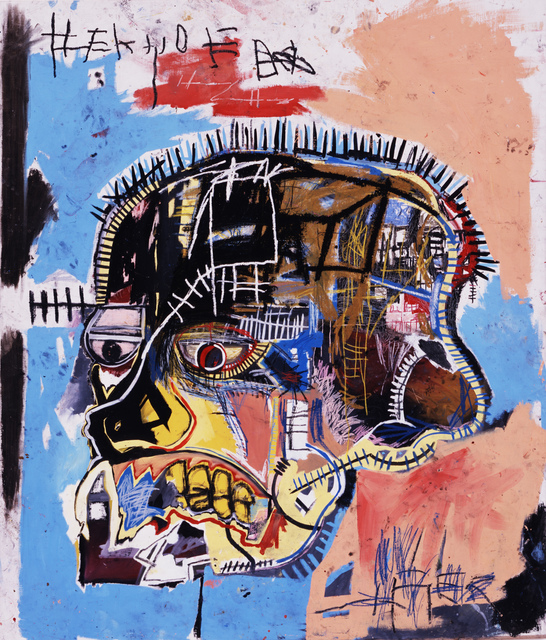
Jean-Michel Basquiat was born in 1960 in America. He started his practice as an informal graffiti artist in the late 1970s where the artist was influenced by early hip-hop music culture. He then started his Neo-expressive paintings in 1980 where they began to get attention and exhibited at galleys and museums internationally. His art focused on themes of wealth, poverty and immigration. He worked with a range of media poetry, painting, drawing and married text and images amount abstract figures. He also repeatedly mixed historical information with modern social commentary. He used his art to attack power structures and make his audience question systems of racism. This engagement and again confrontation with audience is something I want to focus on.

Ed Ruscha

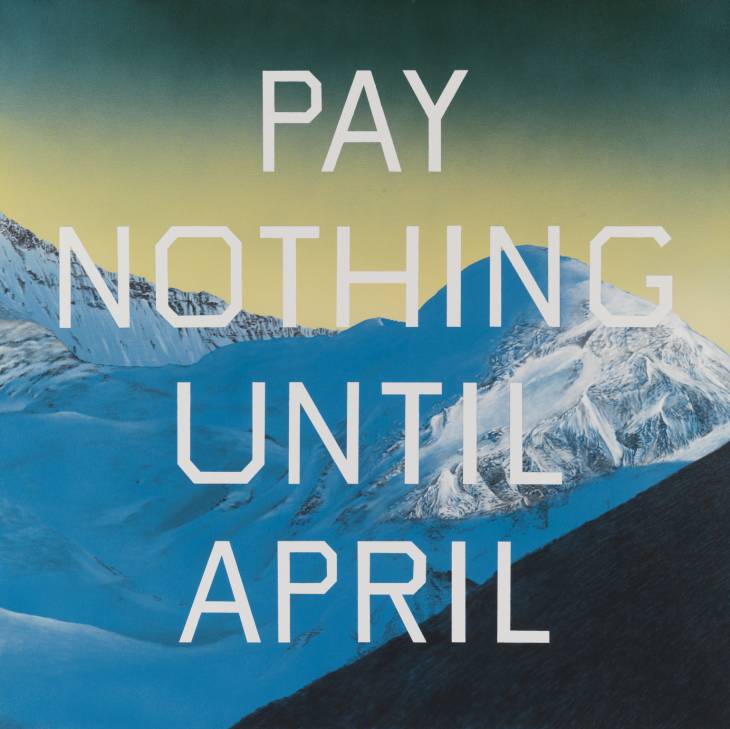
Born in 1937 in America the artist is associate with the pop art movement. He worked with very mixed media of painting, printmaking, drawing, photography and film. His early career and education was rooted in commercial art and advertising. His very first word painting was displayed in 1961 and since then the artist has included text within his work. These phrases are often comical and simplistic. These phrases often “just occurring” to the artist almost as just a passing thought or phrase that can be interpreted in a multitude of meanings. Experimenting with humorous sounds and rhyming word plays, Ruscha made a portfolio of seven mixed-media lithographs with the rhyming words, News, Mews, Pews, Brews, Stews, Dues, News in 1970. Again, using text in a short and pushy manner I find really effective and think I am going to experiment with and use within this project. 

All of these artists are asking questions at their audience whether that is very publicly or in an art gallery setting. Question who you audience is and how you are going to reach them is something I’m going to explore more in this project using text and imagery. 

Conseptual: Evaluation

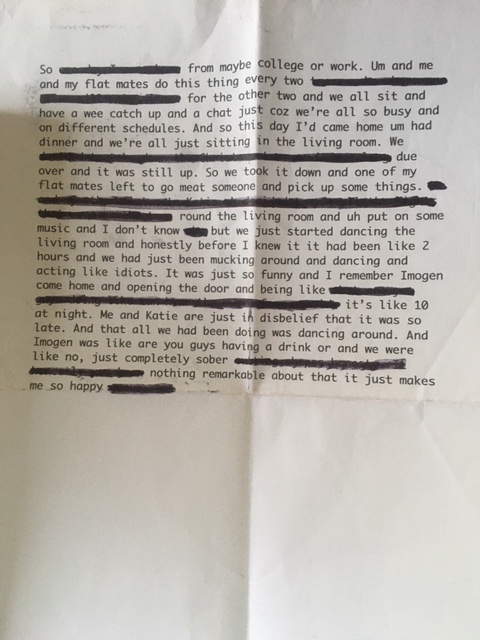
My theme for the project progressed from being about memory the focusing on the reliability and authenticity of memories. I focused on the 3 stages in which we take in and digest information. The sound work I originally produced at the beginning of the project I felt like was veering away from the theme of memory to much so to bring it back I included me telling the memory over the door and window stuff I was working on beforehand. I began by thing of memory’s and attaching imagery of the homes and houses as my research developed a lot around the idea of  creating a memory palace and for this you need somewhere which you are familiar with – home. I focused on these images of doors, windows and the basic house structure; like something you would draw as a child. I think keeping the simplicity of just having lines made my insula responses easier to understand and connected with more people in crits. I used tape and pen to create these images as it was quick and got the basics of what I wanted to show without going into too much detail. Using the tape, I could also but the door and window anywhere- in college, at home, outside. I also started experimenting with sound after looking at the work of samson young. I experimented with recognisable sounds and slamming of doors and windows. This was as quick and easy to transfer and edit just using apps and my phone it was also exciting as I had never messed around with anything like that before. I could have considered the final piece a bit more as ideally I would have liked it to be a performance piece of me telling the viewer a memory form one side of a door. I think just having the audio play from my phone was a bit clumsy looking and I could have presented it better. My time management could have been better as I could have played around with using video and experimented more with what the memory was and how it was delivered to the audience. I would have focused more on the memory I was reciting and the mood and tone which I was delivered with, also played around more with audience and not just played it to people I know but maybe strangers as well.

Conceptual: Development 2

continuing on from the idea of having a place to store memories i researched into storing sound memories (echoic memories). This is where your brain registers specific auditory information lasting between 2-4 seconds. I then listed sounds only I would recognise – My door bell, the doors slamming in my flat, the noise of someone closing a window, specific floor boards the creek ect. I listed sounds connected to my house to link it back to the idea of creating a memory place (a place I know very well). I like the idea that the sound relies on your understanding of what is is to exist and be understood and listening itself is driven by a desire to understand something/someone else. We slot or organise what we hear into a known category automatically without thinking.

I then went on to researching the work of Samson Young and Florian Hecker. Both artist use sounds and audio editing to make us question our understanding of our surroundings.

So I wanted to mimic this questioning of someone retelling a memory and questioning what parts are easy to understand and what parts and interrupted and unreliable. My plan was to play around with the sounds within my house to create this feeling of being shut out or unrecognisable. using sounds only I would recognise to create something non authentic and something other people couldn’t pick apart and couldn’t understand these nosies or where they might be from.

Link to audio: https://vimeo.com/user94451701/review/389491917/14cabc7b50

However i felt like this idea of the sounds within my house was moving away from the idea of memory so I instead recorded myself recalling a memory that happened in my house in the room i happened in then had someone open and close the door through my telling of events. The door opening and closing represents the coming and going of information and how you can let someone in on a memory and shut someone out. You also have the ability to not let anyone in at all – keep them behind the door. i wanted whoever was listening to get that feeling of being excluded from my memory or that feeling of being shut out. I also tried this using the 2 windows to the room but the audio from outside on the street i felt was too distracting. I liked the noise of the door itself as a door alone represents the coming and going of a person through to a different space – memories coming and going.

link to audio: https://vimeo.com/user94451701/review/389496827/bfee173d1b

I also took recordings of me just telling the memory with the door closed and open, with the audio recorder on both sides of the room, with the recorder cutting off at so points, all in an attempt to obscure the memory and make the audience question each part of what they are hearing. I liked this idea of them having to put the puzzle together themselves.

I then started playing with the idea of cutting up the audio and rearranging what part you would hear in each part of the room again making the audience work to collect and gather the full story rather than having me just tell them the memory straight.

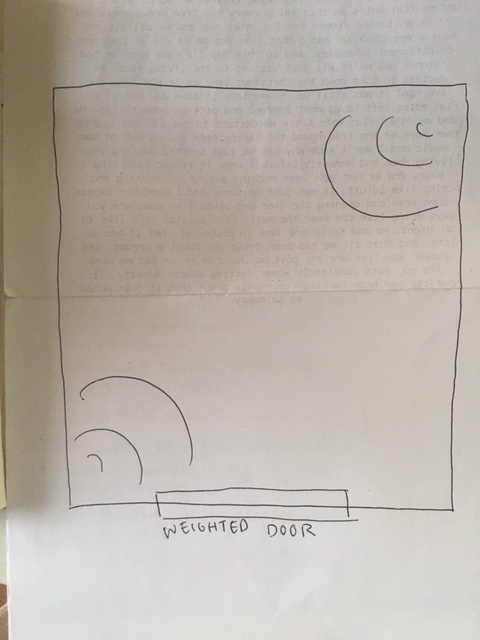
Thinking about presentation i also considered having it be played in a small intimate room where there was a weighted door so the audience could decided what parts of the audio they where abele to hear and weather or not they wanted to come into my space and here me talk or simply would only open the door and listen for a moment.

FINAL OUTCOME