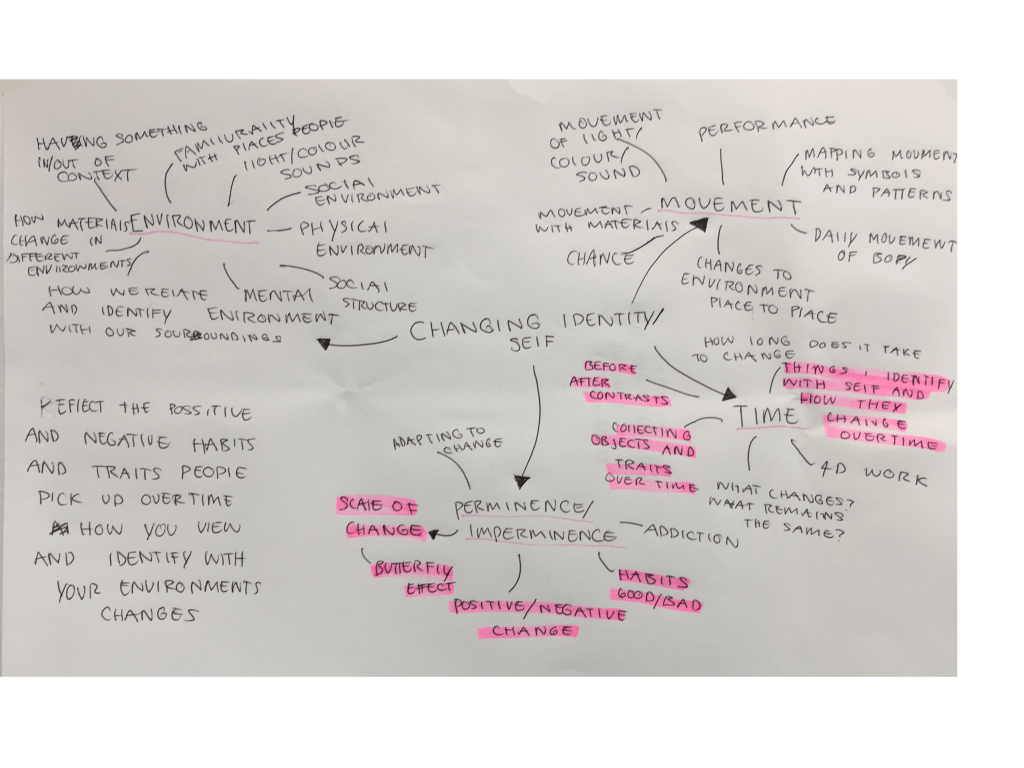
I took forward the first of my day today projects as I felt it had the most creative potential and strongest themes. I decided I wanted to focus on the changing of identity/self, specifically traits. I also wanted to highlight the contrast between self image and how other people see you.
However I explored these ideas by going between working in 2d and 3d and back to 2d and so on. This way of working I used on another of the day today projects where I feel I produced the most work
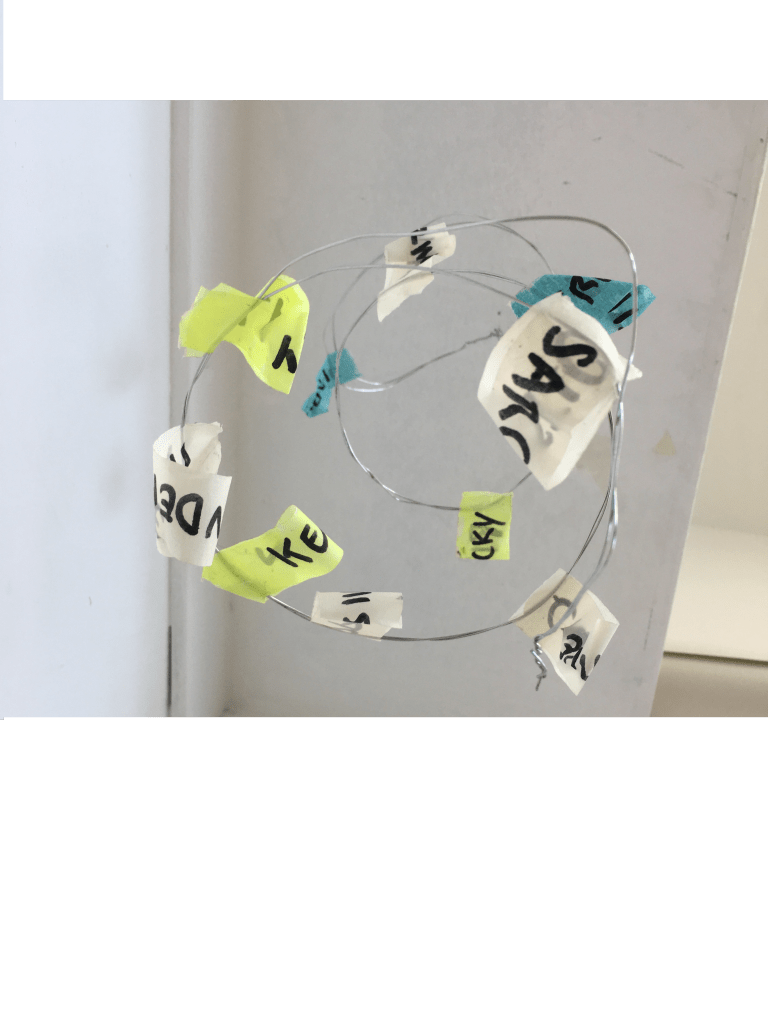
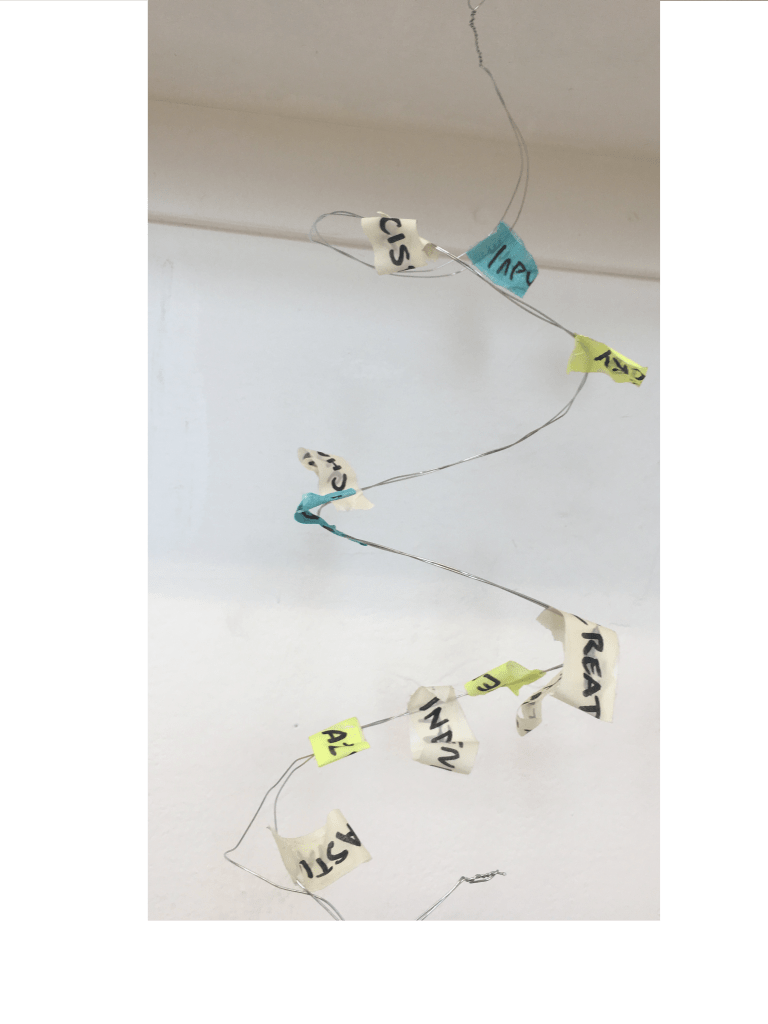
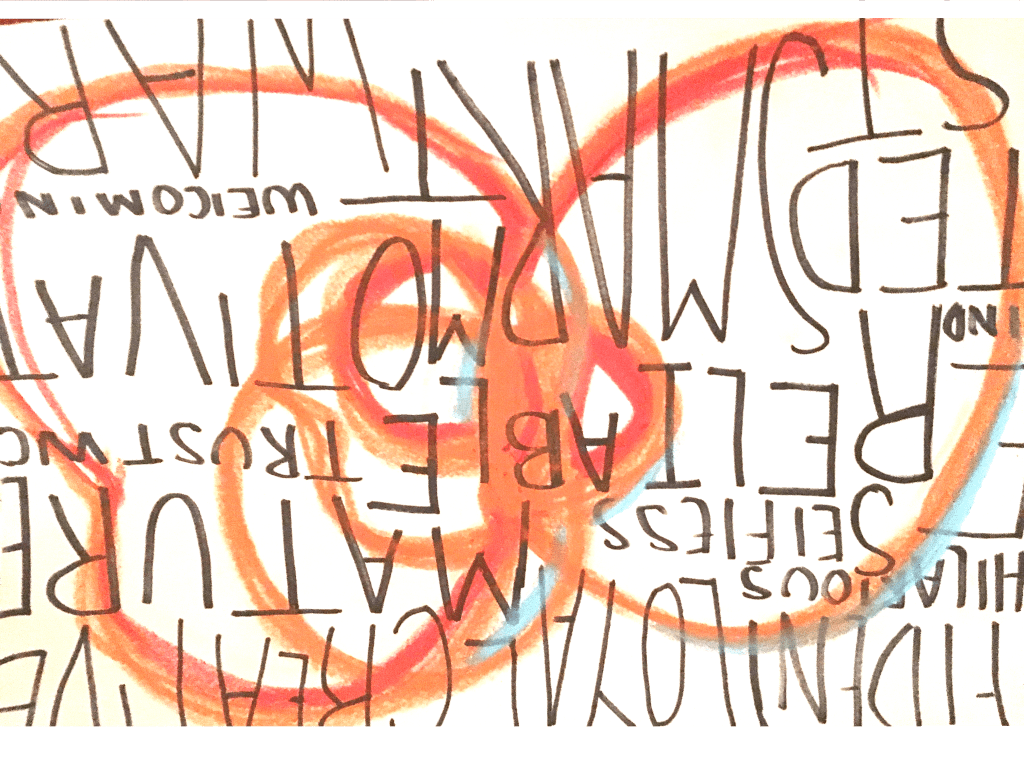
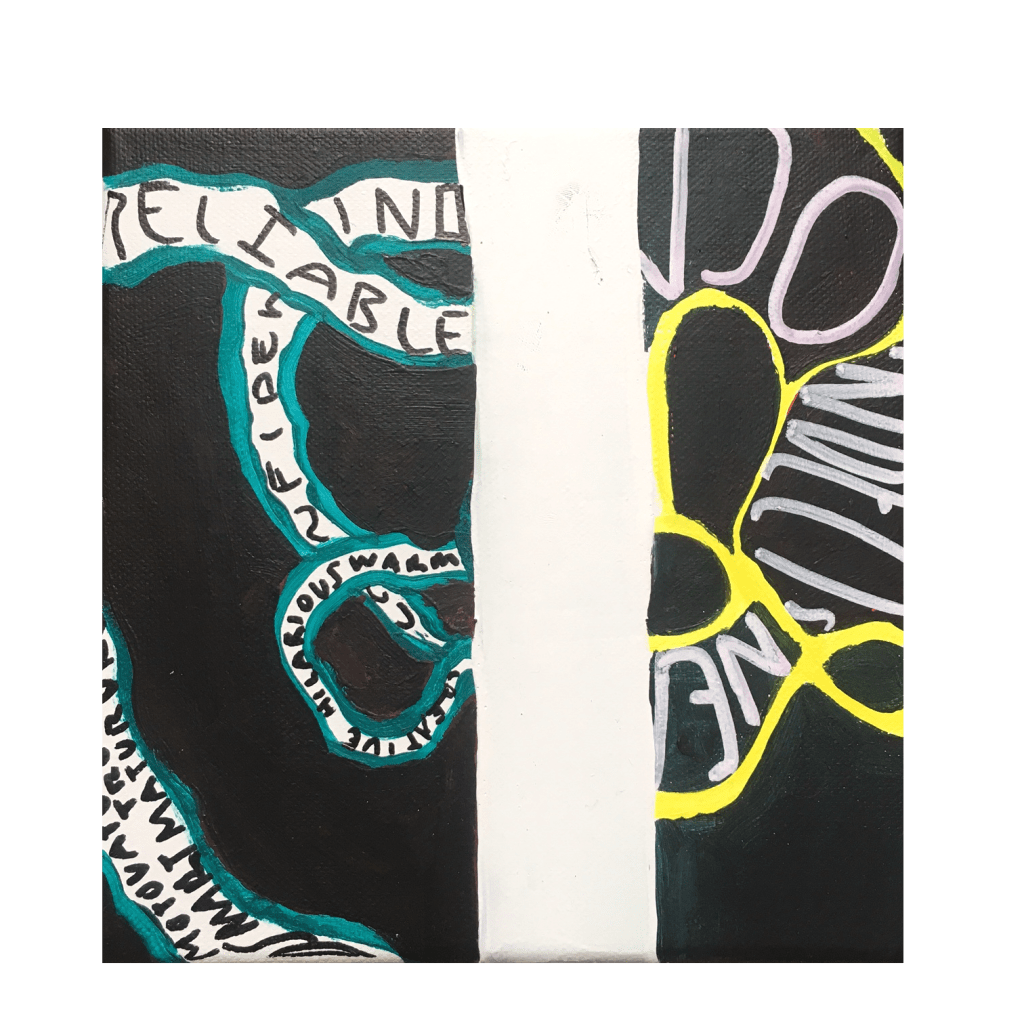
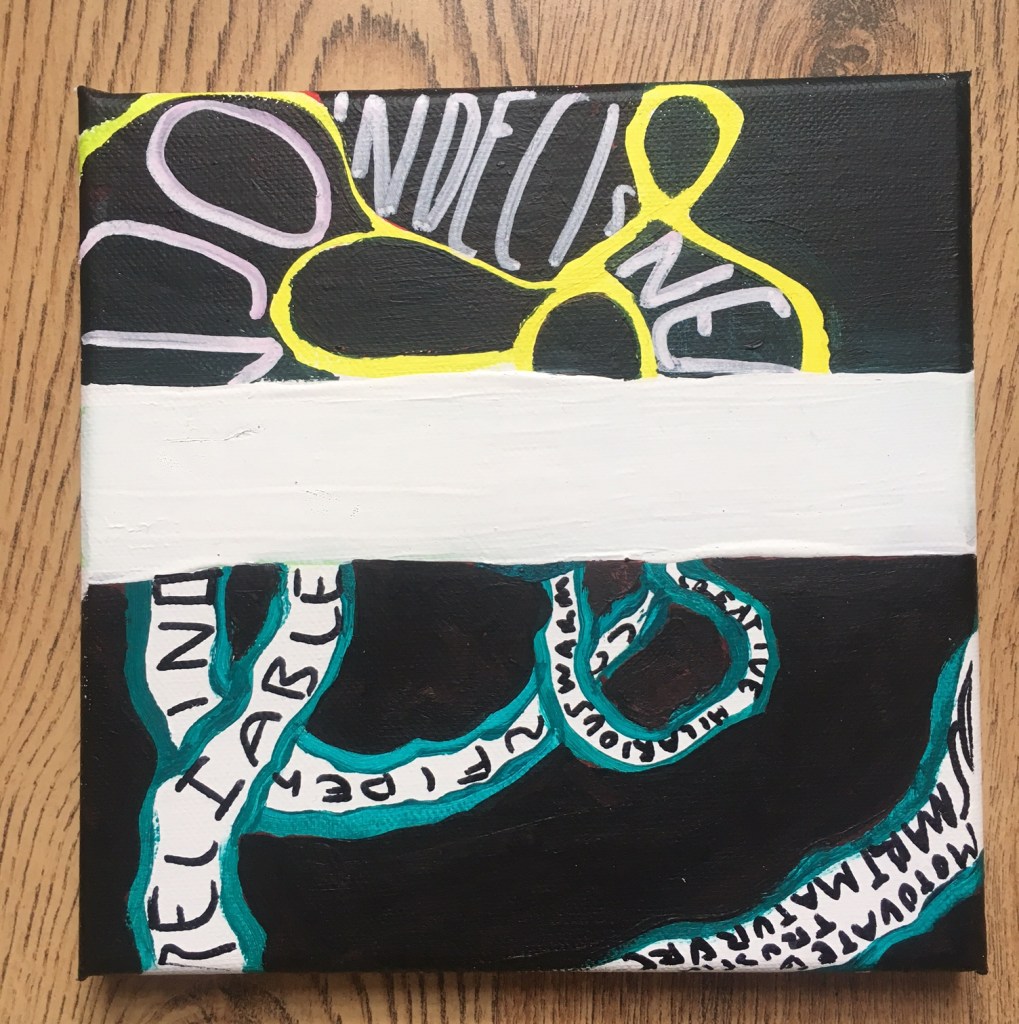
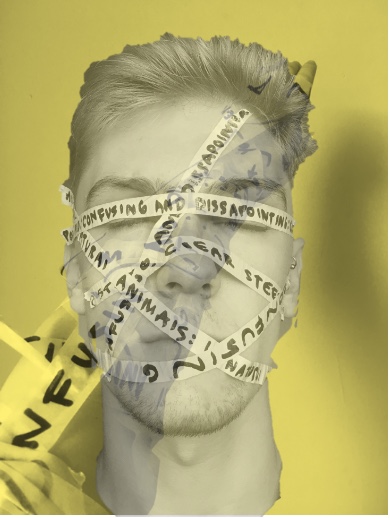
Initial visual response. Creating a structure to represent self then attaching traits I associate with myself
I then took images of the structure in different locations manipulating it as well as playing with light and contrast.
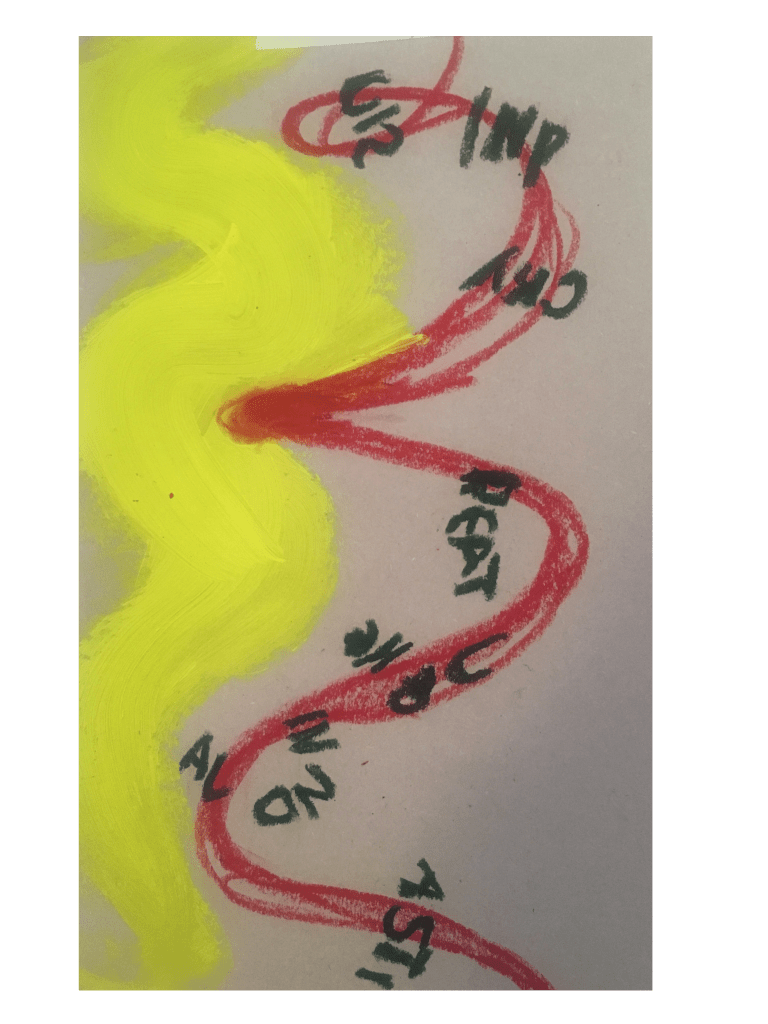
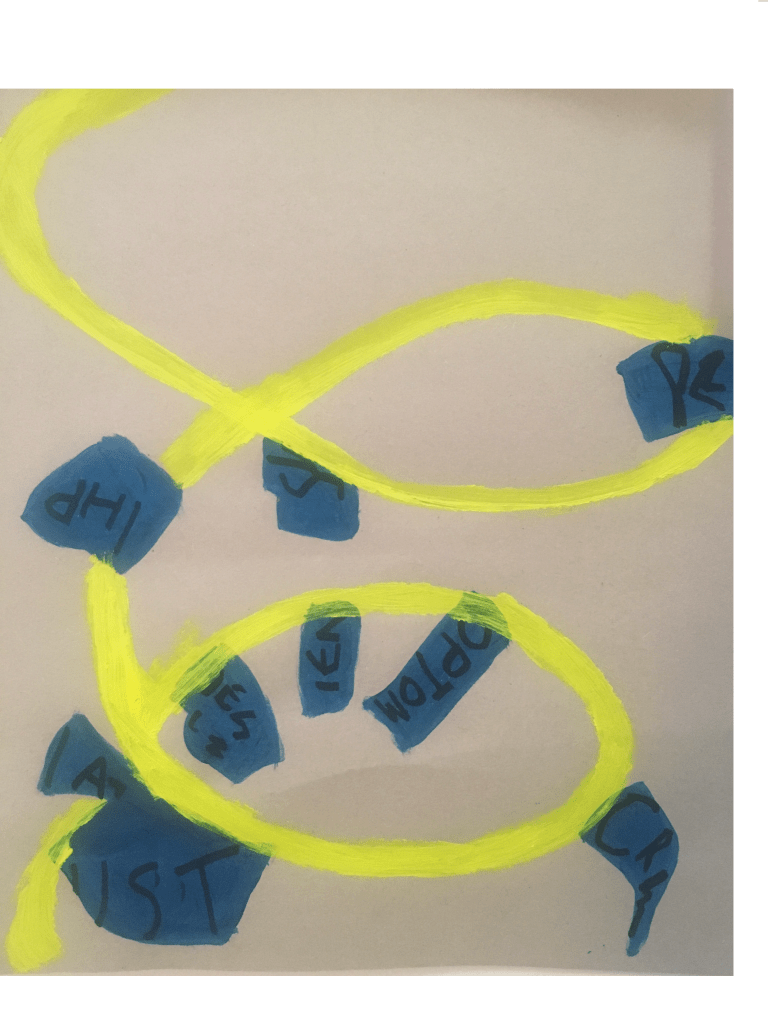
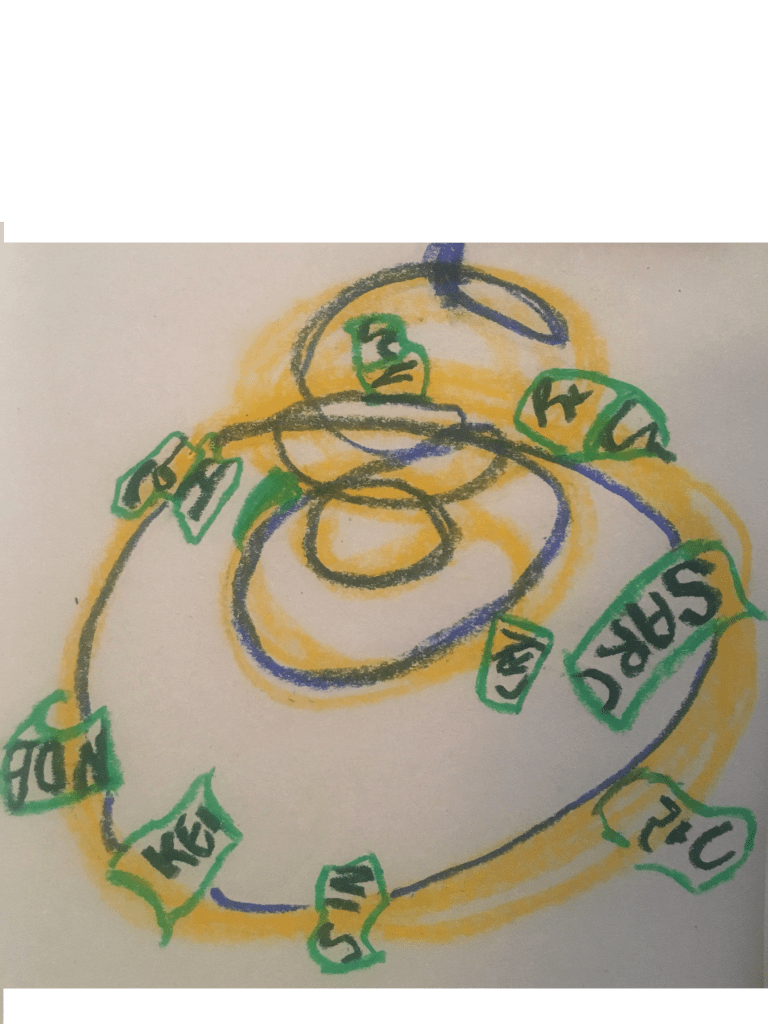
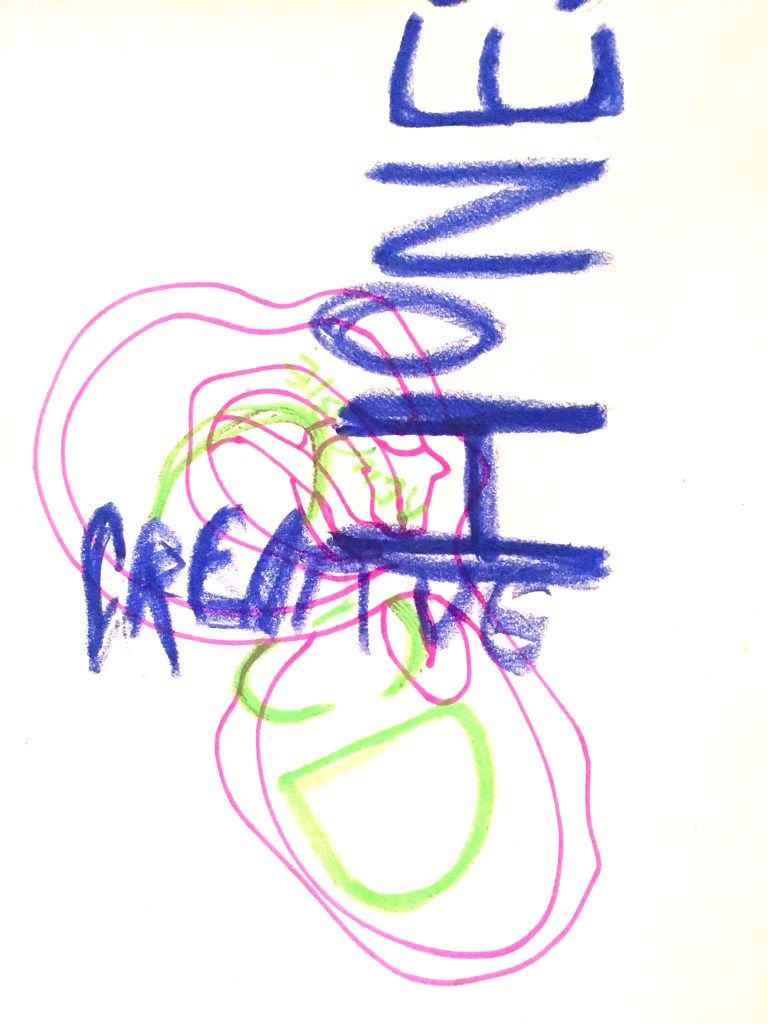
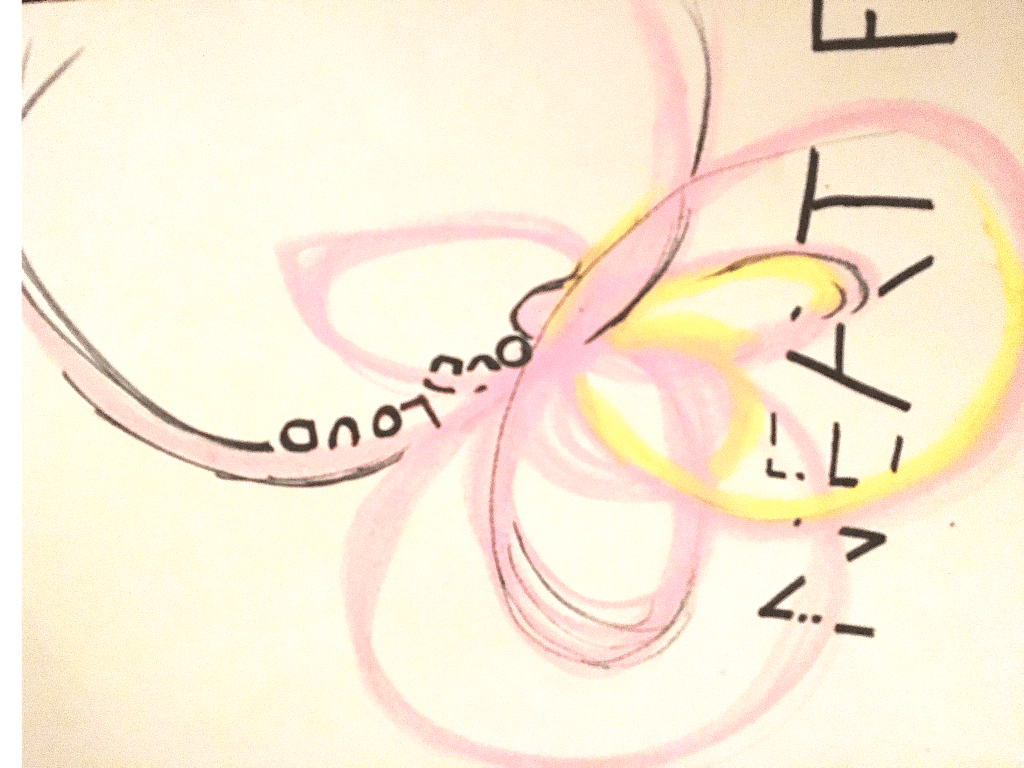
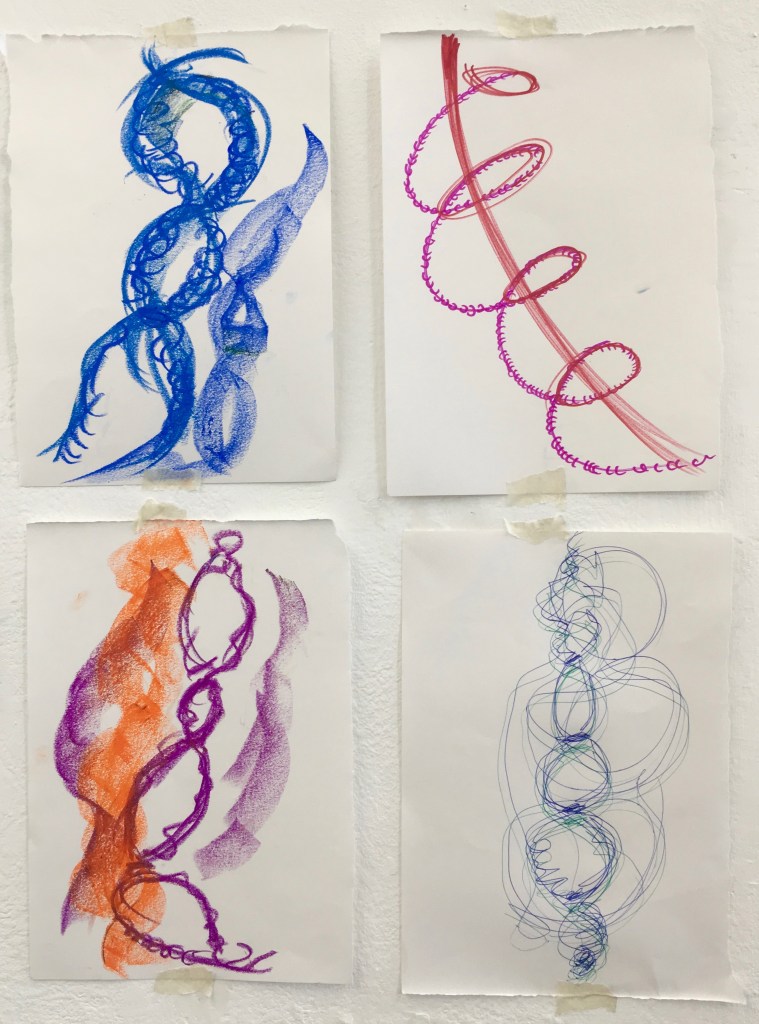
From this structure and range of images I took quick sketches and drawings to establish what shapes and images I wanted to make. I liked how the text became abstracted in these drawings as it reflected the confusing nature and difficulty that comes with trying to describe yourself or others only using words.
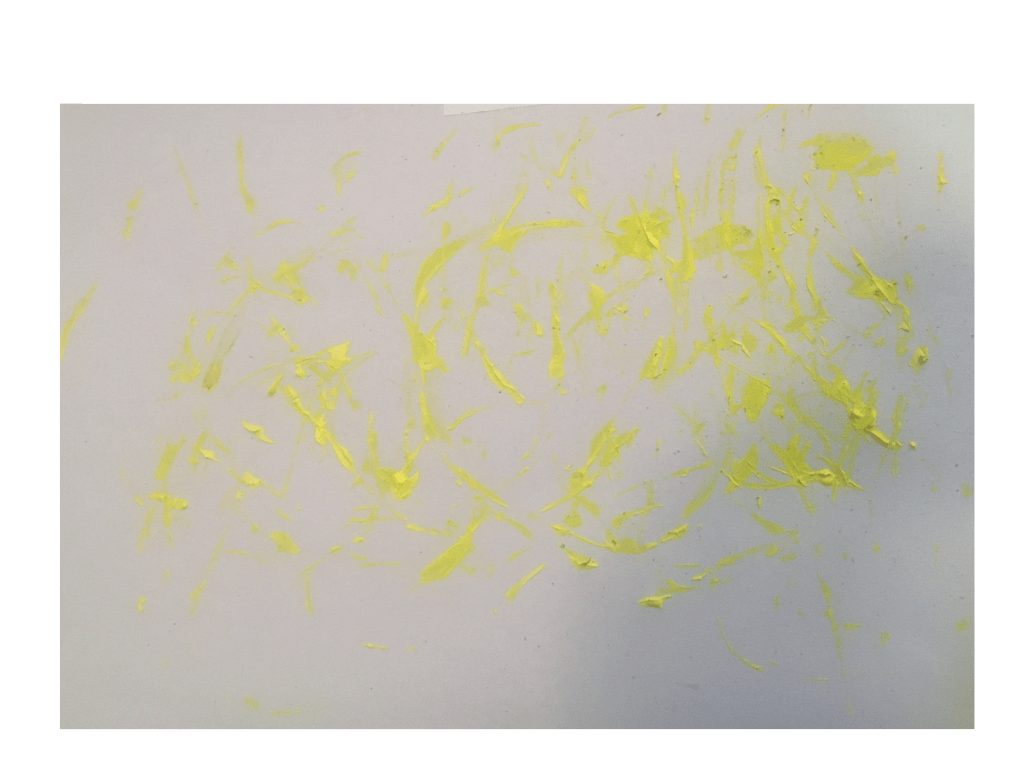
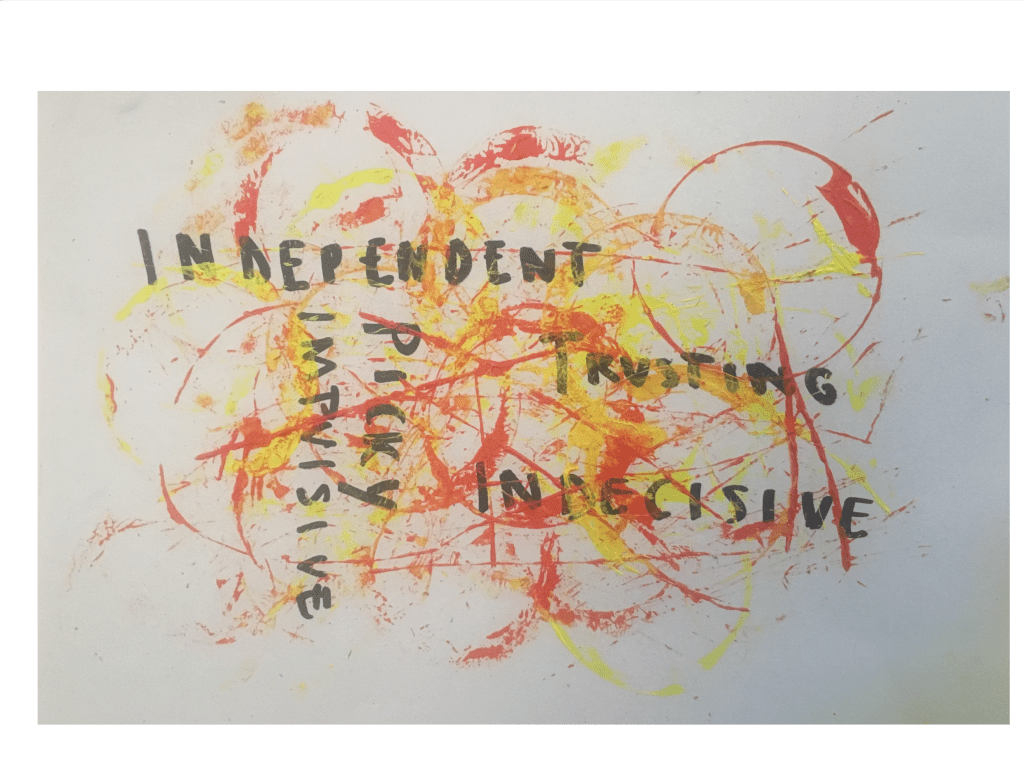
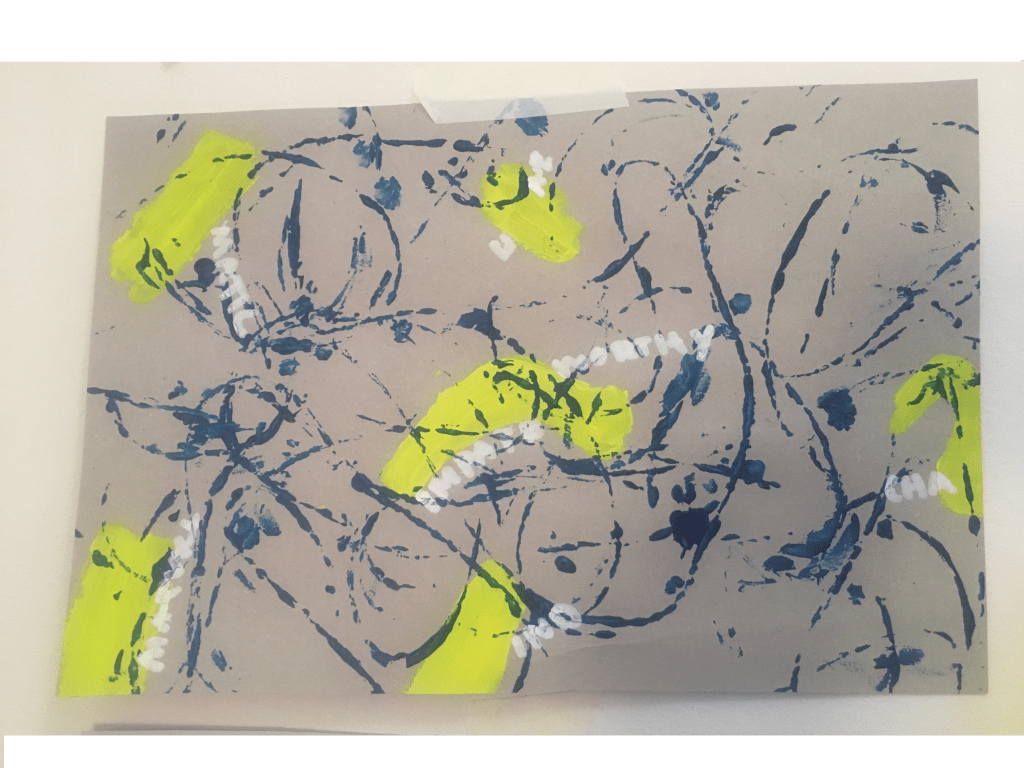
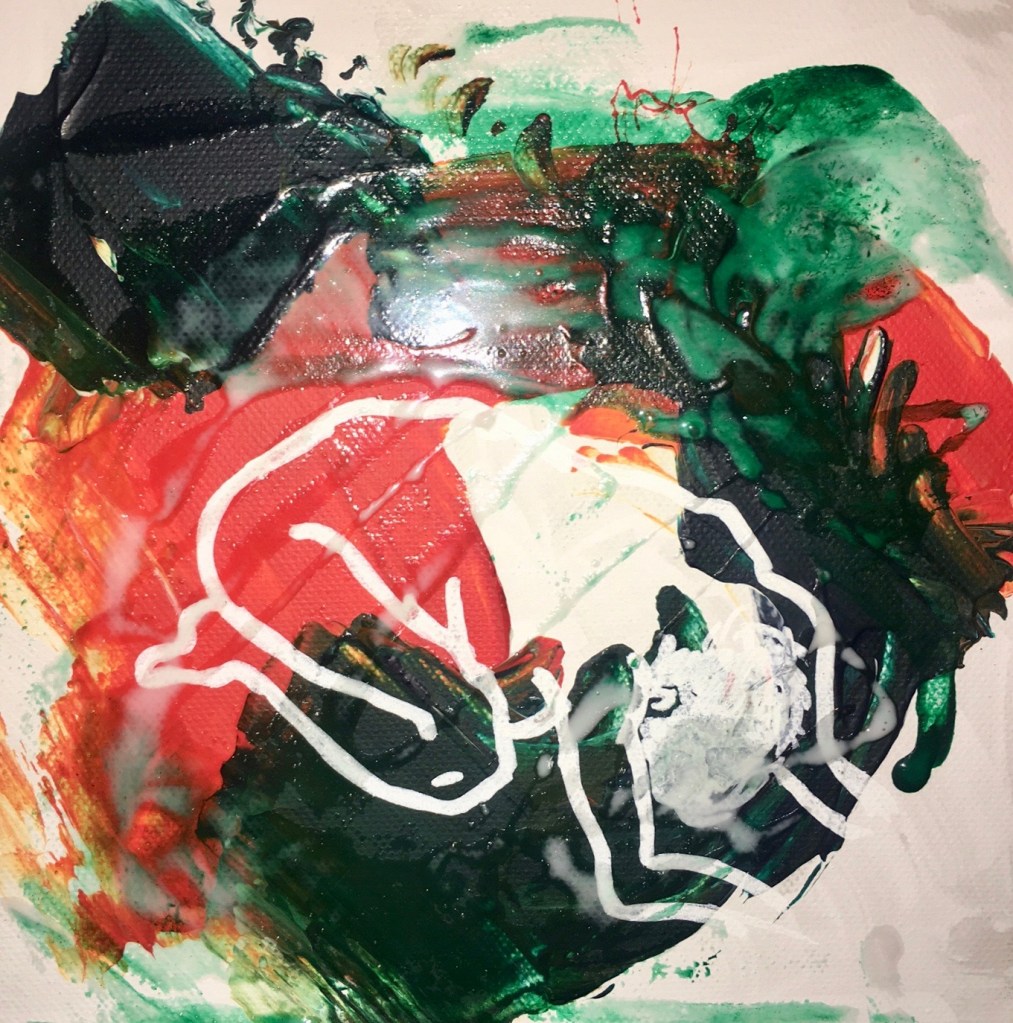
In the e=next set of paintings i tried to focus more on movement by using string and marbles to paint with. as well as this i further abstracted the text and shapes
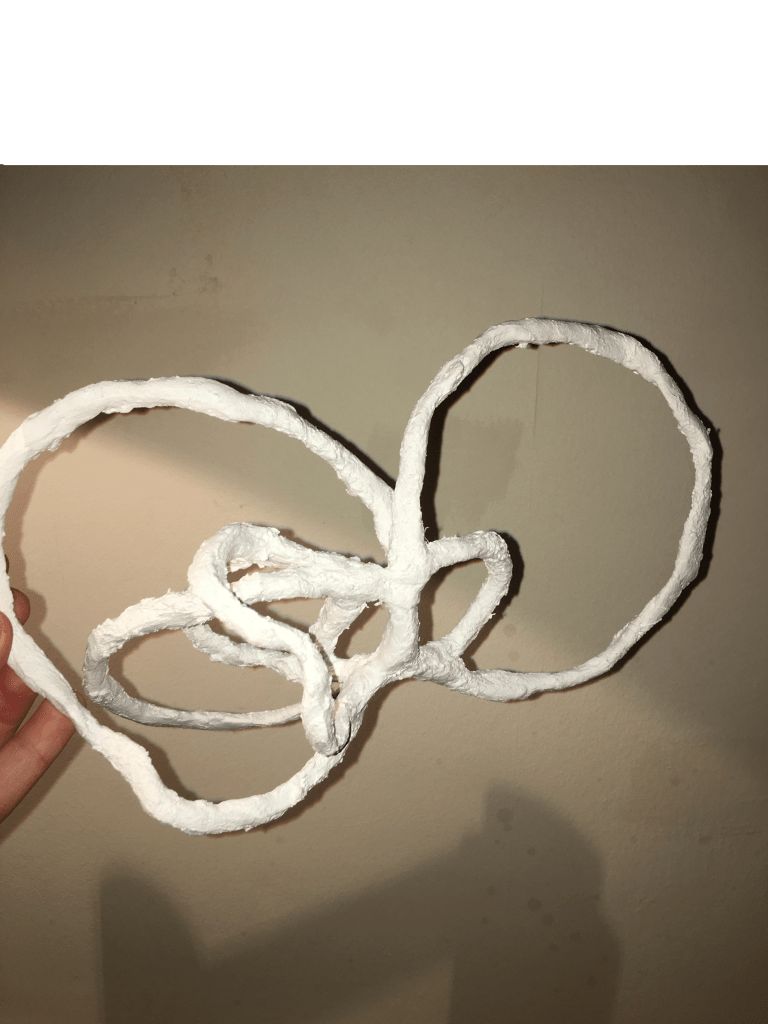
From the previous set of drawings i created a 3D form which could again have things added/ taken from it
Taking inspiration from my 3D stracure focused on layering shapes and text. with each new 2D/3D development I wanted you to identify the change to reflect personal change/growth.
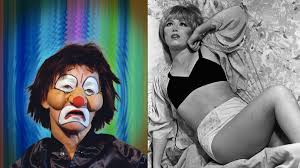
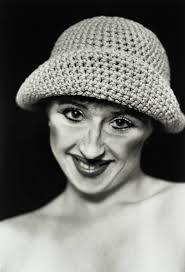
Artist research: I looked at Cindy Sherman because of her works themes surrounding identity and how we present our selfs.
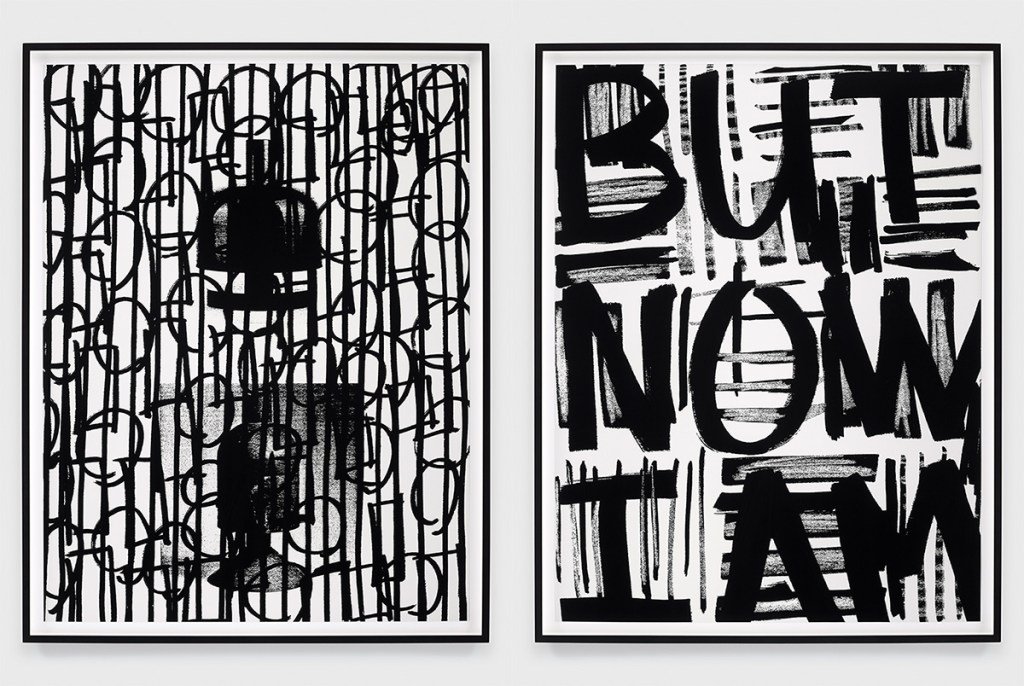
I also looked at Adam Pendieton and how he abstracts text within his work to create a dark and confused feeling .
The exhibition focused around the history of collage and how it has been interpreted and used by different artists over time. I don’t often use college in my own practice but still found it to be enjoyable and gave me new ideas on how I could approach using it. The thing that struck me the most was the huge volume of work ranging from each decade and how the method changed and evolved over time.
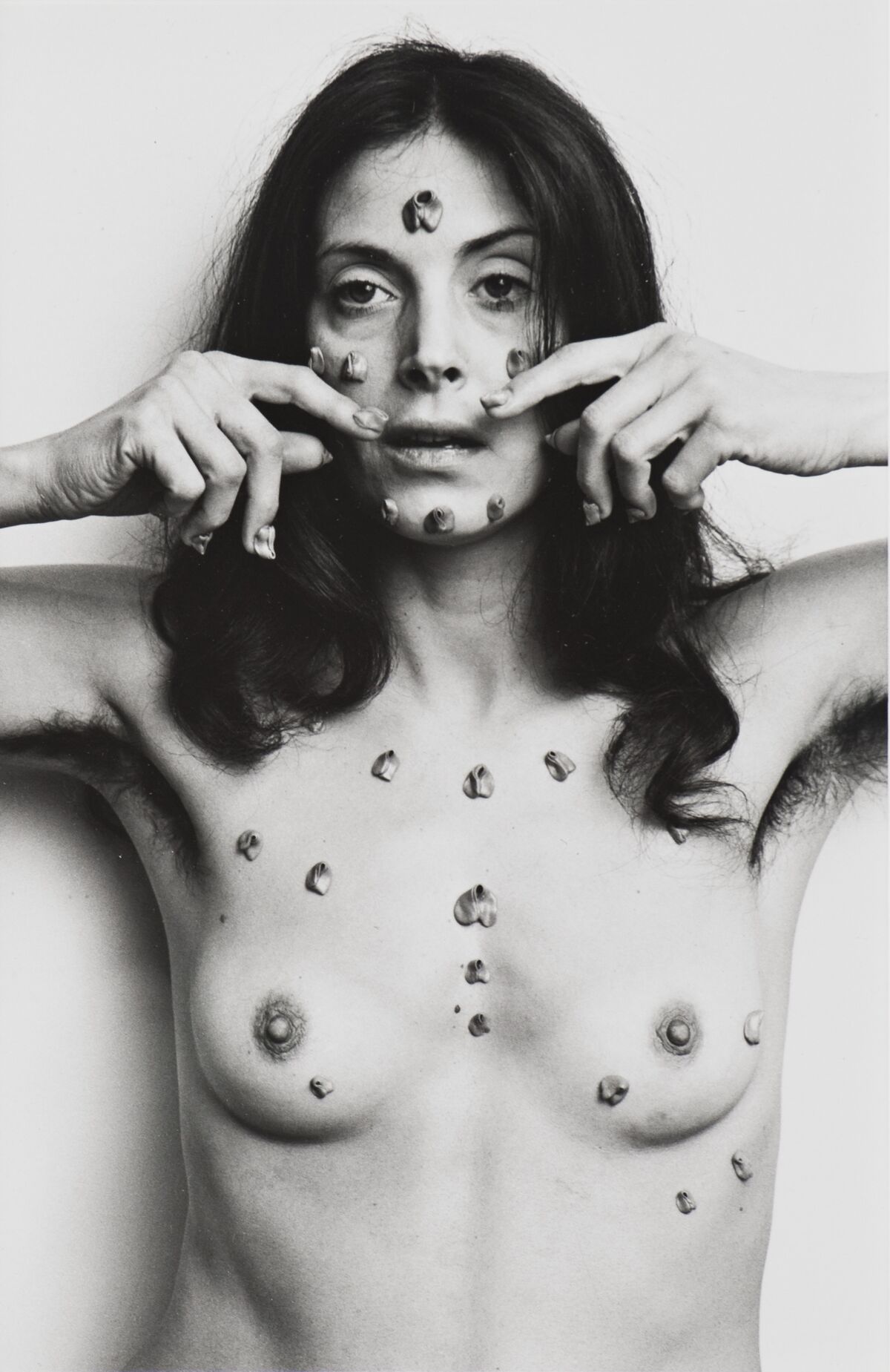
The artworks and artists I found were the most interesting from the exhibition were the ones associated to the feminist movement. Particularly the work of Hannah Höch and Hannah Wilke.
This collage is from a series of seventeen photos created and shown between 1924 and 1930. It layers and incorporates photographs of a baby body, a tribal mask and an eye from a magazine. It combines a multitude cultures each image bringing another layer of meaning to the piece. The hybrid figure is positioned on small feet, as if it is on display. The work is thought to be an ironic comment on the treatment of women in Weimar Germany. At the time they were being equated with primitive people, and treated as unimportant, while simultaneously being put on a pedestal. The geometric background references the work of the Dutch De Stijl group of modernist artists and architects, with Höch was associated with at the time.
This work is taken from the S.O.S. Starification Object Series (1974-1975) The artist explores stereotypes of the female body. She draws attention to the objectification of women in both art and pop culture. Using her own body put her at the cutting edge of performance art at the time, but her work was sometimes misread by critics as a celebration of her own beauty rather than the objectification of. The artist used a wide range of media; and her experiments with non-art material were not unusual for the time. This included: gum, erasers, chocolate, play-doh, cookie dough, and dryer lint. Wilke’s work was a significant influence of feminist performance art of the 1970’s. Her work was also associated with postmodern art because of her rejection to fine art materials and how she challenge to traditional definitions of not only art but female art.
Modern 1: Here and Now
The gallery excited the work of Anya Gallaccio, who is known for creating site-specific installations. She is also known for using organic materials as her working medium and often in large quantities, such as chocolate, whistling kettles, ice, sugar, candles, salt, Polaroid photographs and lead, she conveys the nature of change through the passage of time, the balance in life struck between growth and decay.
‘Red on Green’ shows the decay and destruction of 10,000 red roses laid in a rectangle upon the gallery floor. The Roses themselves are Fragrant, soft and velvety they have positive connotations of romance and decadence. However, over time they are slowly allowed to blacken and die. The sharp thorns and stems that lie underneath the petals are a reminder of death and the fragility of life and ageing. I liked the artists use of materials and the contrast of life and depth that is slowly revealed over the course of time. I find the ageing aspect of the work the most interesting making you question how you feel about the ageing and developing process. Her work often deals with these complicated themes of love, death,romance,aging, and youth.
“The extravagance of a pile of roses, which have their heads pulled off as an aggressive and obsessive gesture, along the lines of ‘loves me, loves me not”, is a passionate thing, but isn’t intended to be sentimental”
The exhibition also showed the work of Charles Avery who is a Scottish artist from Oban. The work he is most renowned for is work entering around the description of an imaginary island through the use of drawings, sculptures and texts. The artists describes it as “The topology, cosmology and inhabitants of this fictional territory, from the market of the main town Onomatopoeia to the Eternal Forest where an unknown beast called the Noumenon is held to reside. The project can be read as a meditation on some of the central themes of philosophy of art-making, and on the colonization and ownership of the world of ideas.” This work like others from this exhibition focuses on themes of change, growth and decay.
The thing I find most interesting in this work is the theme of illusion running through it as well as how mesmerising the projection itself is to watch. The wings of the creatures are so thin and they reproduce and disappear by chance when they overlap and another. At some stage they flutter out of the box becoming larger before finally evaporating.











 CHARLEY MILLAR ART