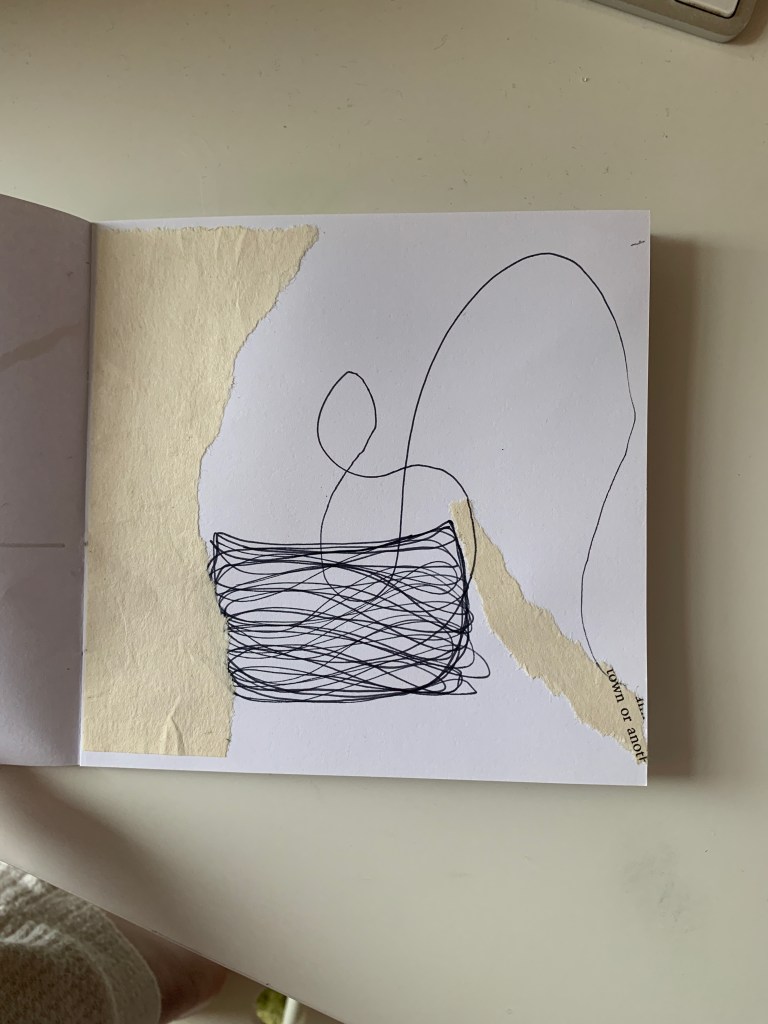
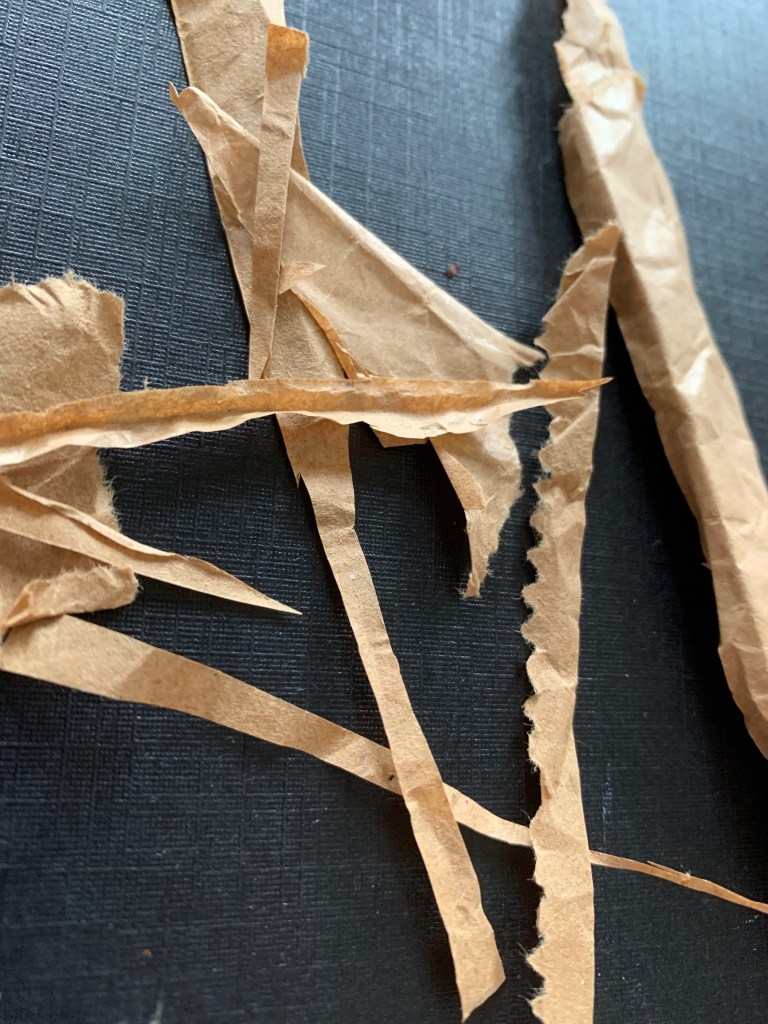
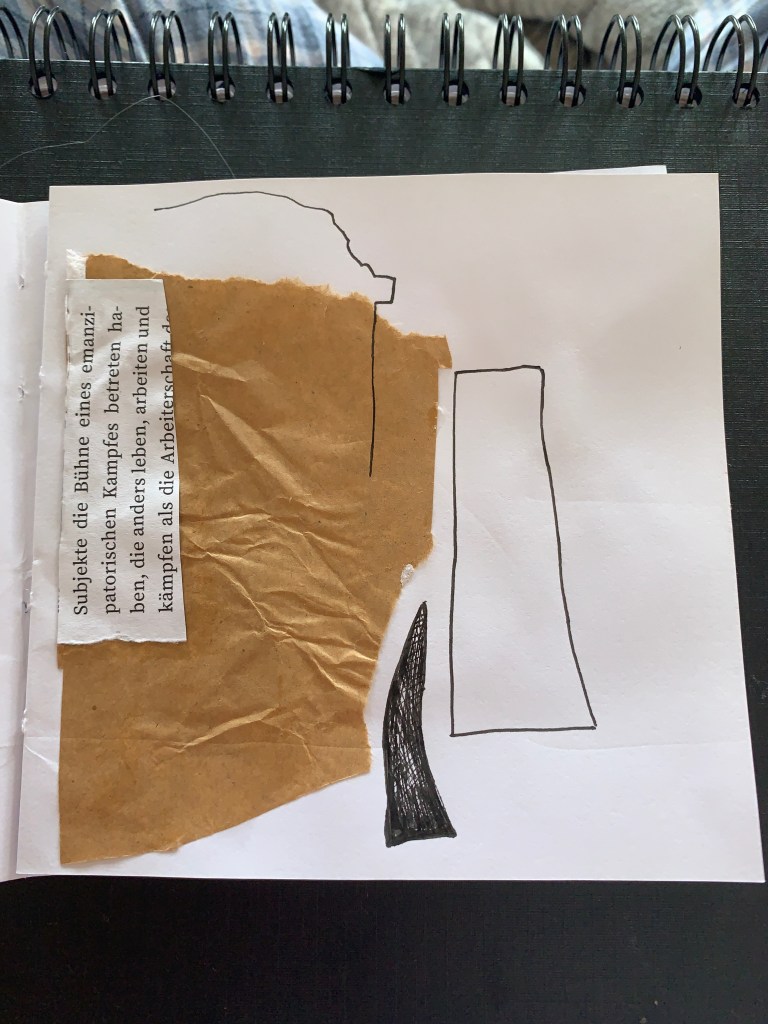
Daily drawing booklet – staring this week i wanted to keep a book where i could collage and draw ontop of any scraps i had lying around and just have something i could do kind of care free when i was feeling stuck or was struggling with a drawing.
I also started with my 10 3D drawings thinking about textures and folding as well as moving drawings.
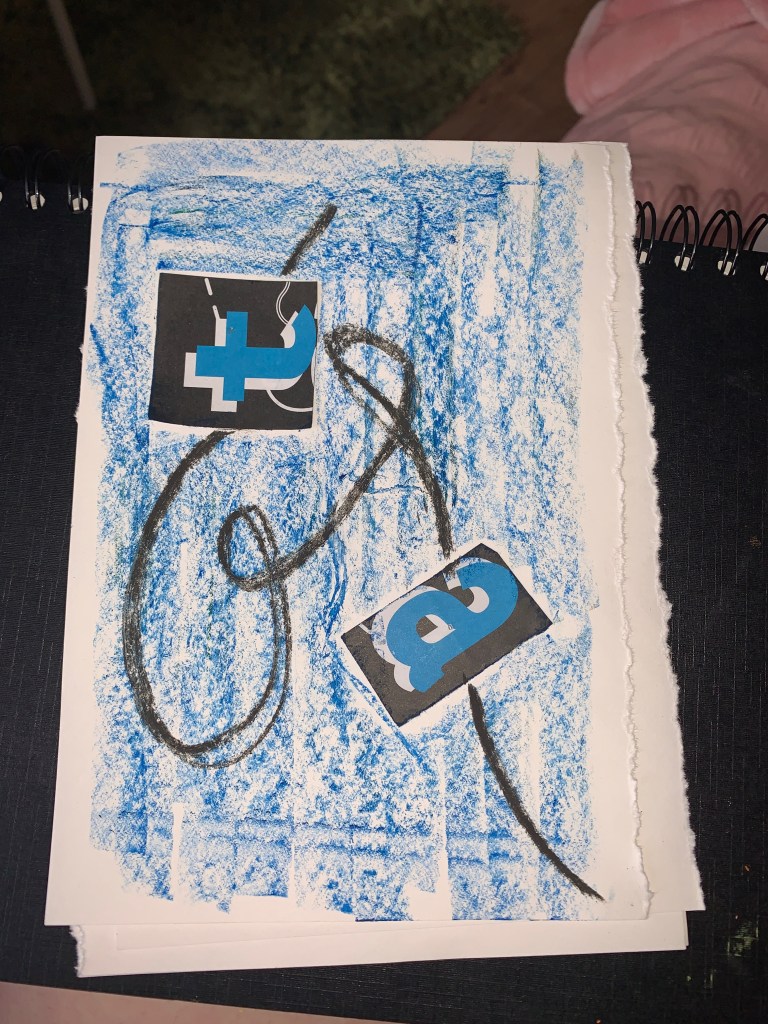
From these 10 drawings and my daily drawing booklet I went back into 2D and started think about compositions and layering collage into some of my drawings. I also started to consider using colour however this was’t my main focus this week
after reflecting on the drawing i have produced this week i an happy shape wise and composition wise however i think i need to go back and think about depth and texture as i feel these elements are lacking.
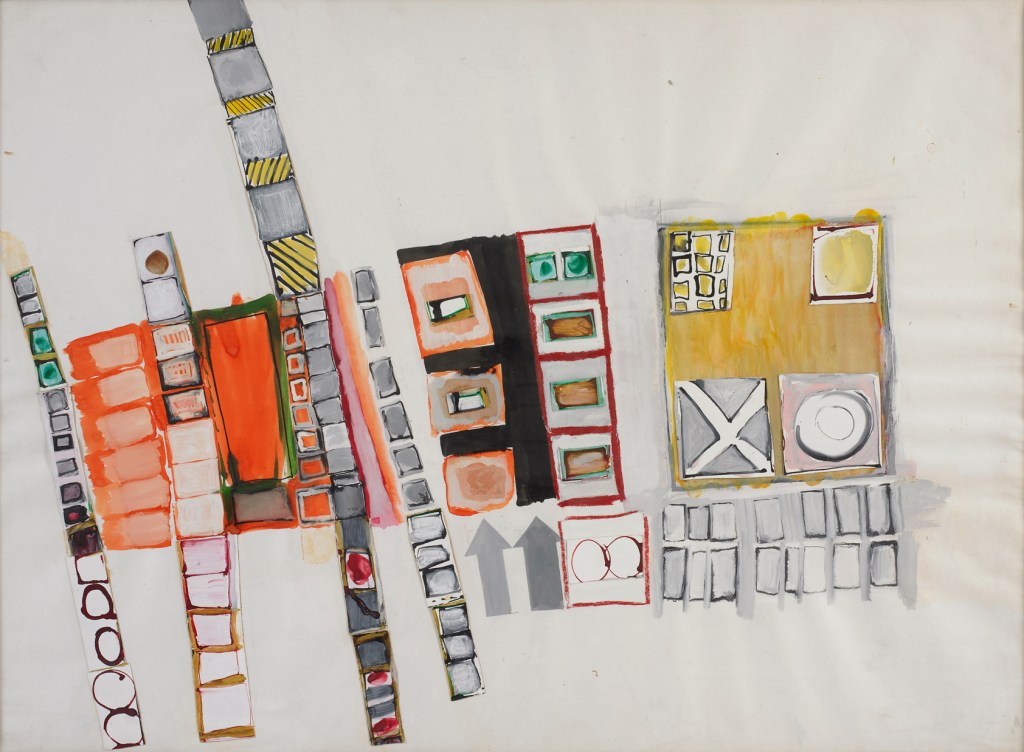
While Barlow is best known for her sculptural work, her majority of these have been destroyed. This leaves behind her drawing archive as the only surviving record of her earlier sculptural practice. Her drawings show influences from Arte Povera, Pop Art and New British Sculpture amongst others.
Its easy to see and draw a connection between her primary working drawings and her resolved sculpture work. she draws all throughout her creative process, both to aid developing work and to visualise ideas which are later translated into three dimensions. The drawings are fluid and create a real feeling of space like stepping into another hazy colourful dimension. Primarily using pencil, pastel and charcoal using cross-hatching, scribbling or covering expanses of paper in washes of flat colour, her mark-making appears deliberate but at the same time free flowing and spontaneous.
Her bold use of vibrant colour as a means of expression is the thing I find the most interesting as I think colour is a big part of my own practice. Looking at her work and moving forward with this drawing project I want to carefully start including colour in the form of pencils and pastels. I want to create drawings that feel like a small vibrant space that could be visited while still being abstract enough that it can be interpreted in different ways.
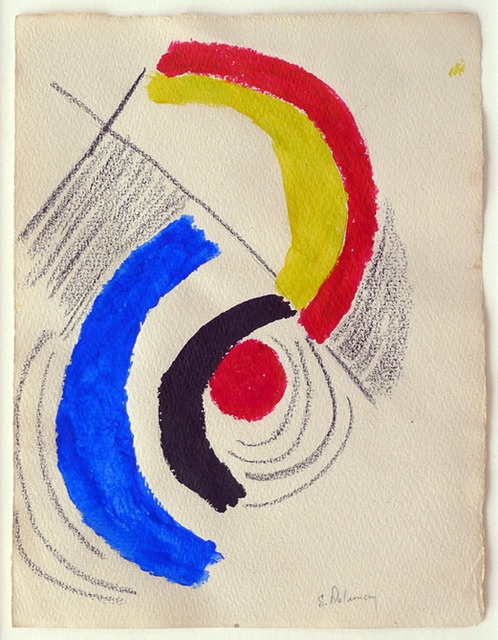
Sonia Delaunay’s Drwaing’s
Delaunay’s work pioneered the movement simultanism. This movement revolved around the idea of colours looking different depending on the colours at surrounded them. In her own words “Colour is the skin of the world.” “One who knows how to appreciate colour relationships, the influence of one colour on another, their contrasts and dissonances, is promised an infinitely diverse imagery.”
She was a multi-disciplinary abstract artist and key figure in the Parisian avant-garde alongside her husband, Robert Delaunay. While she is now known for her large abstract and wildly colourful painting i am most drawn to her smaller drawings and colour studies. These show such movement and again appear almost otherworldly. While the colours are mostly contrasting when arranged and placed in her thoughtful swirling compositions it feels totally harmonised. The contrast of the chaos and the calm i find the most interesting.
I think I am most drawn to her work as I also consider colour to now be a large part of my practice. After coming out of lockdown and everything that was going on I feel like I want to explore and incorporate it more in my work as I really feel like iv been lacking it. As well as this I have been living with someone who is colour blind and having them as an impact on my everyday life, having them see things completely different to me i think has inspired me to consider it more.
Eva Hesse
Hesse was a German-born American sculptor known for her pioneering work in materials such as latex, fiberglass, and plastics. Like Barlow she is most known for her sculptural work and use of materials in this field however i find her working drawings and sketches most interesting. She strongly establishes the type, feel and shape of the material in the drawings despite only using drawing materials with no text to label what is what. Also its easy to see how the materials will react and communicate with each other just how they overlap on the page.
The abstract forms suggest figures and objects interacting and almost becoming one with each other. They speak of positive stories and spaces, something transports you into a new and imaginative space.













 CHARLEY MILLAR ART