For this project i wanted to focus on the theme of authenticity and reliability. Our memories overtime often become unreliable and our brain struggles to recall information. After researching this through articles and short documentary’s i found out the Brain takes in each bit of information individually before combining it all together to create one completed image. With this I started my media experiments by wanting to create small individual piece that I could combine in different ways using different methods of construction/deconstruction.
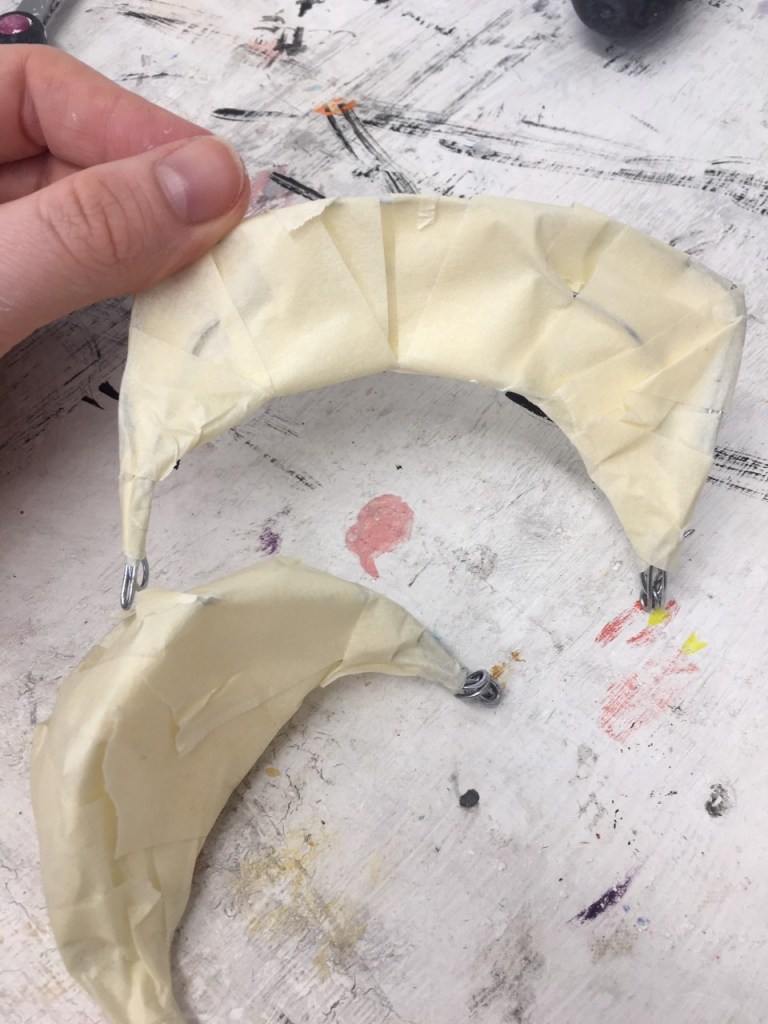
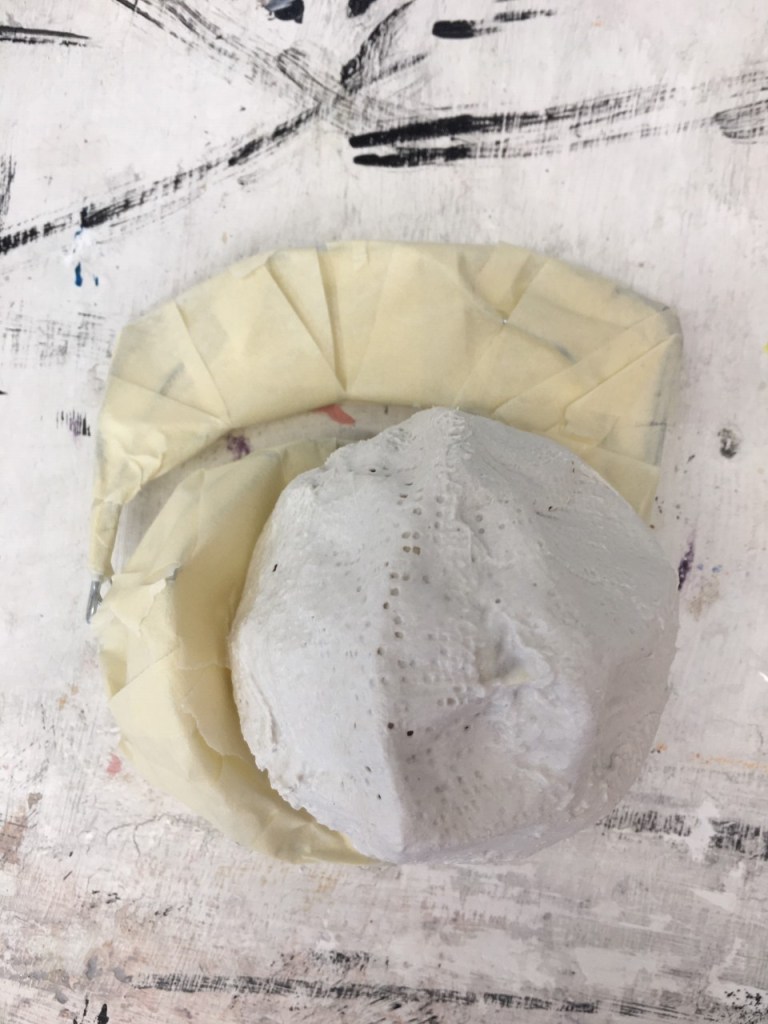
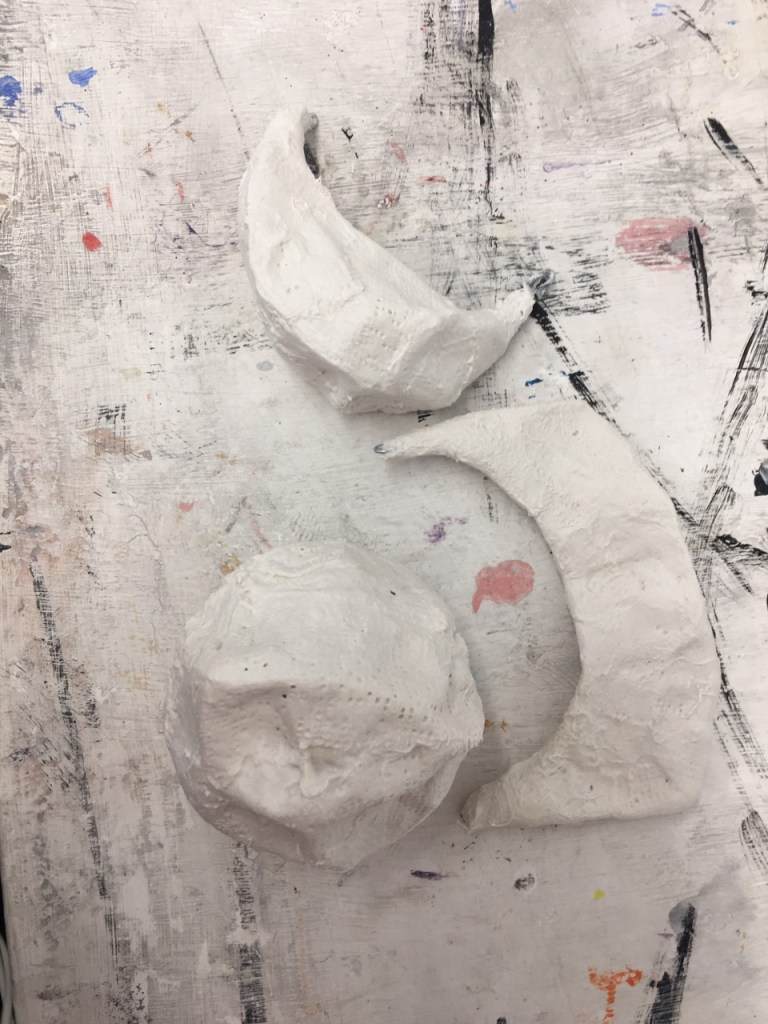
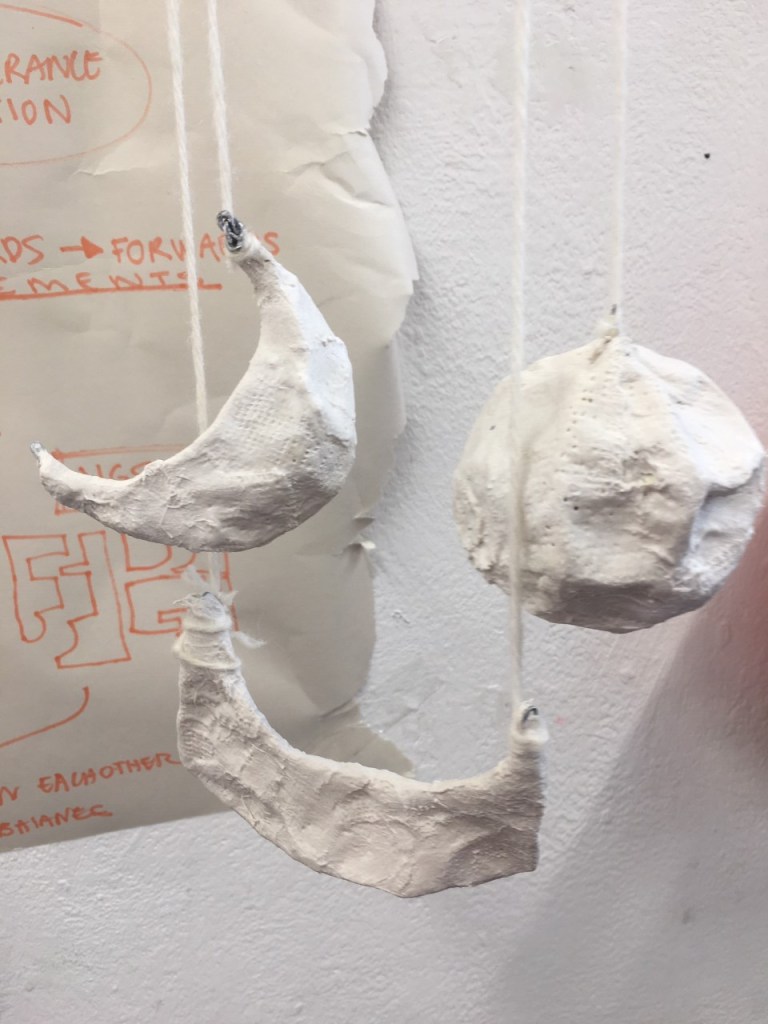
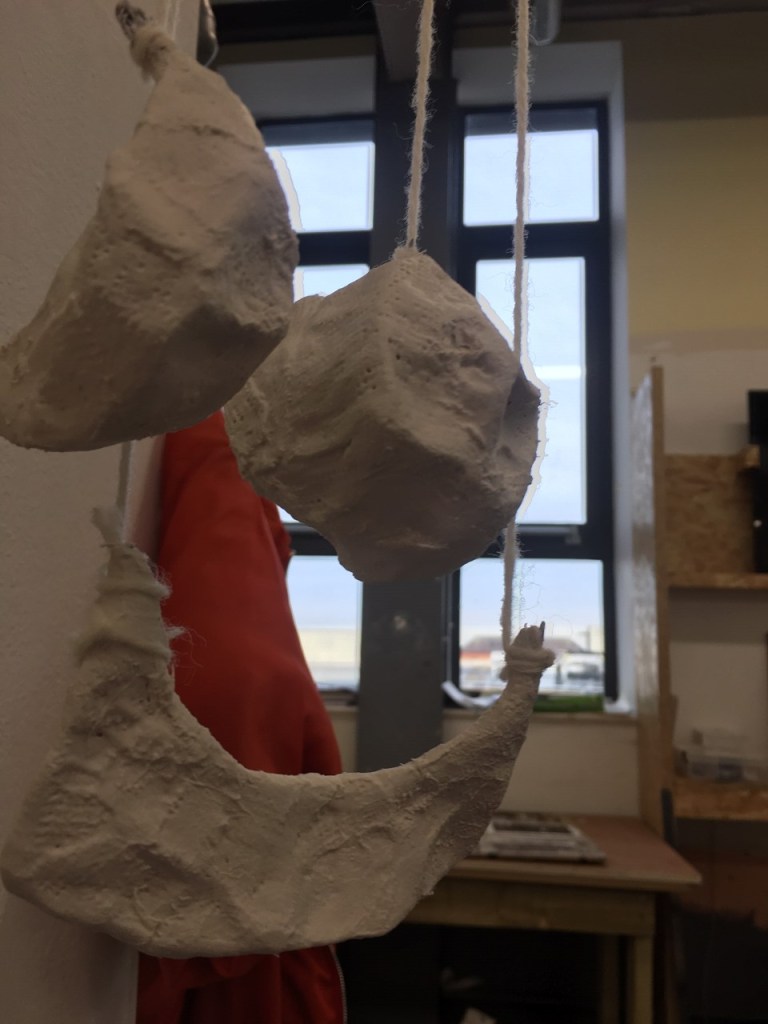
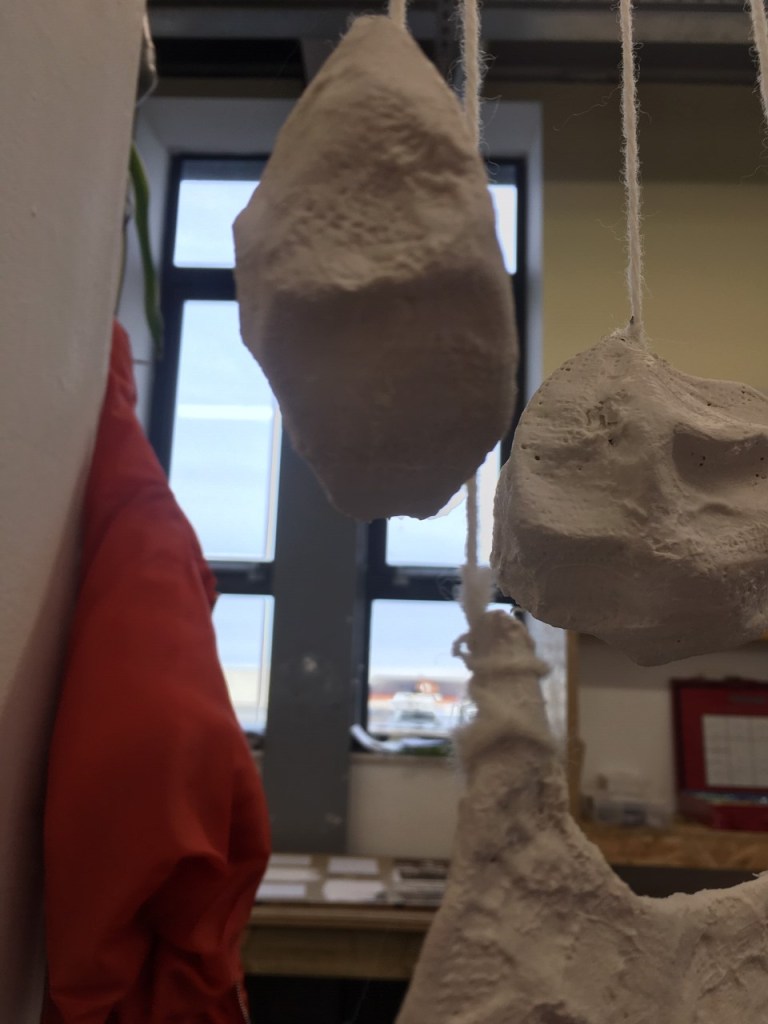
The first set of mod rock and wire pieces allowed me to arrange my ideas in different positions and experiment with balance and weight as well as how they would occupy a space together as well as separated. I also began to consider how I might consider the physical movement of these parts coming together/falling away from each other.
As i experimented with what materials i wanted to use when connecting things together I began to consider the idea of how we tell stories and recall memories – linking different elements of the story together to create one whole image or picture. Almost like a jigsaw each piece requires heavily on the surrounding pieces.
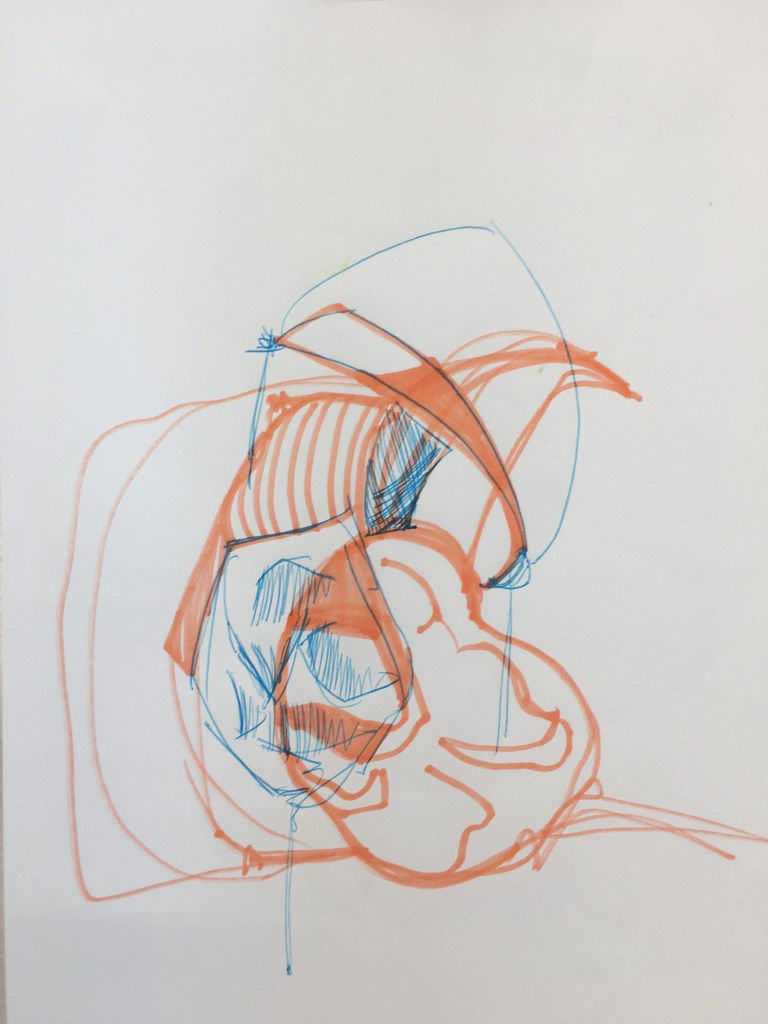
some working drawings done when combining small parts and how they were going to fit together
At this point in the project began to consider the 3 stages of how the brain processes information and how I could depict this –
THE ORIGINAL INFORMATION- PHYSICAL ACT OF BREAKING IT DOWN- PUTTING IT BACK TOGETHER TO CREATE A WHOLE IMAGE.
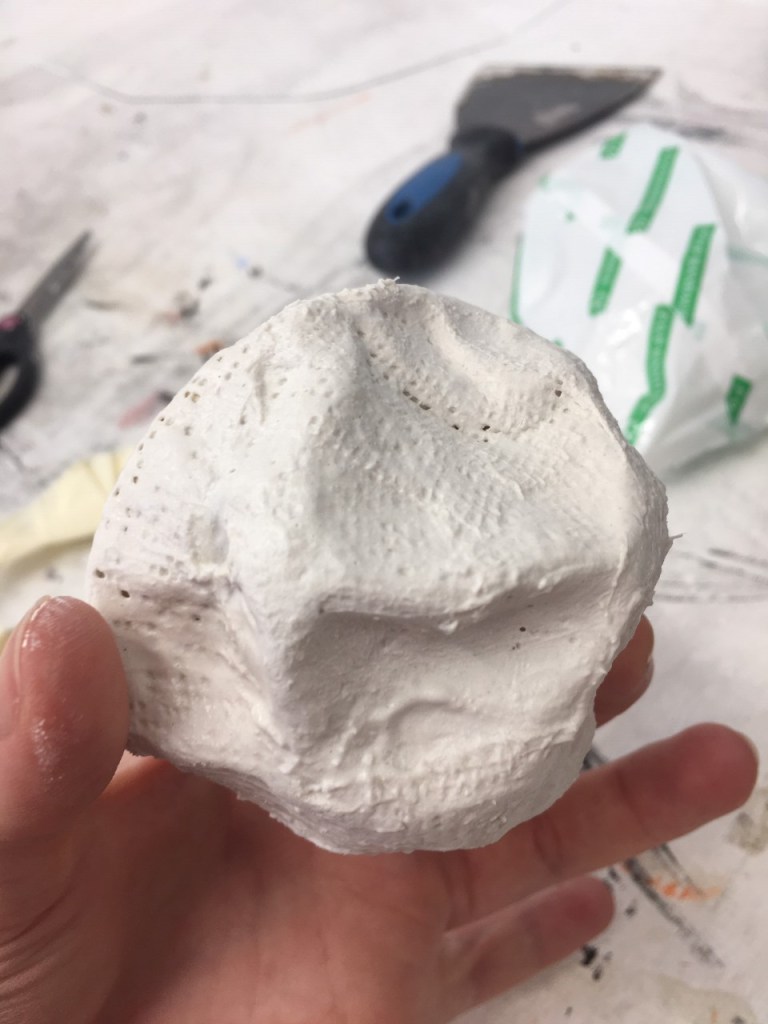
with both plaster and clay i started with a solid ball before separating it off into smaller chunks and the putting it back together as a whole. This method did become time consuming tho and i didn’t think it was visually that interesting. whoever i liked the physical act of my trying to put it back together and could have developed this further into a performance piece.
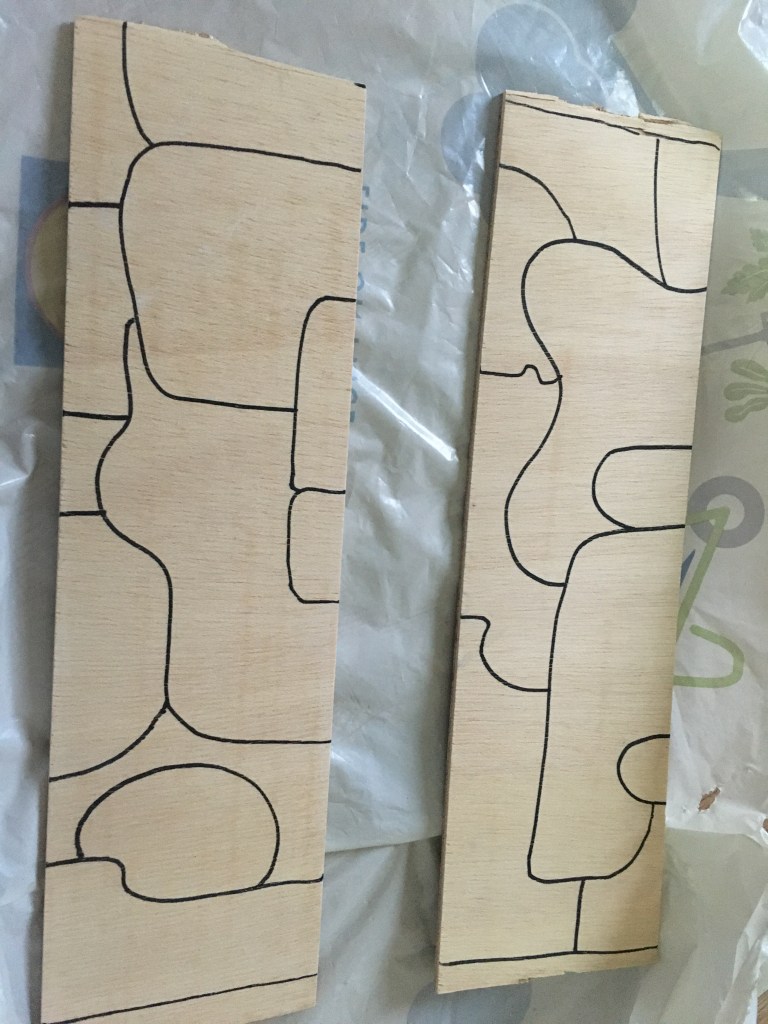
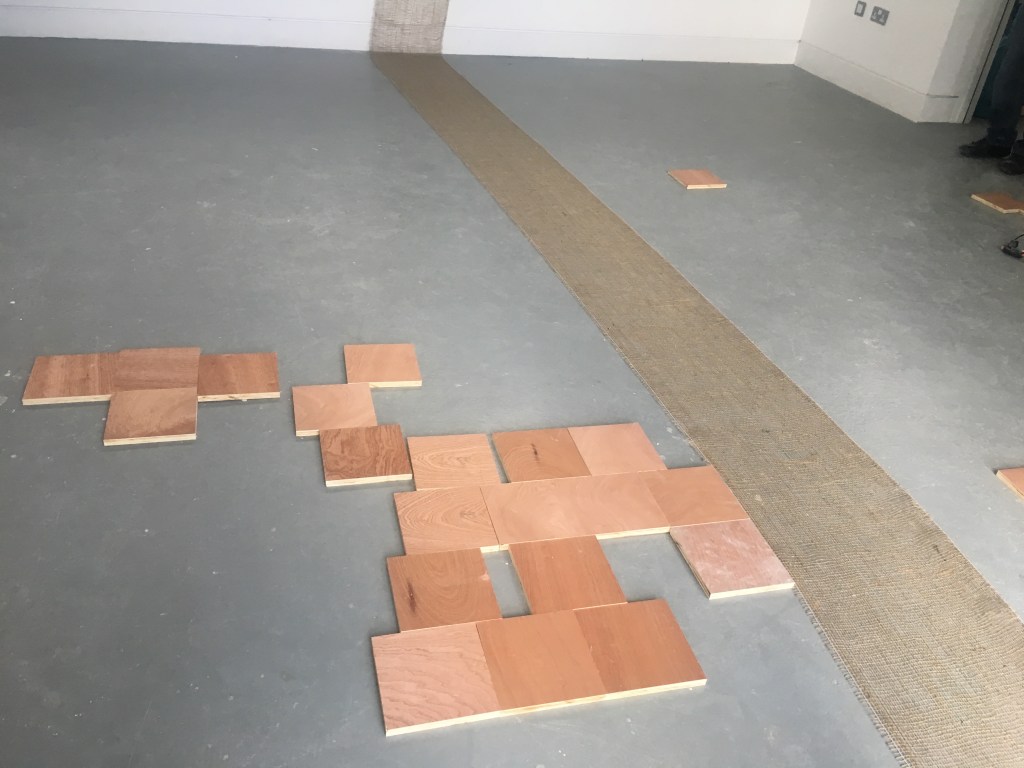
This idea moved forward with me wanting to show delivery of information to the brain and show how it changes and agin highlight the authenticity of memories again. To do this I wanted 2 separate parts that would link together- one being the original information- the other ho is is translated in the brain or how it is retold/reimagined by that person. With this in mind i experimented joining together different parts of wood of different colours and textures.
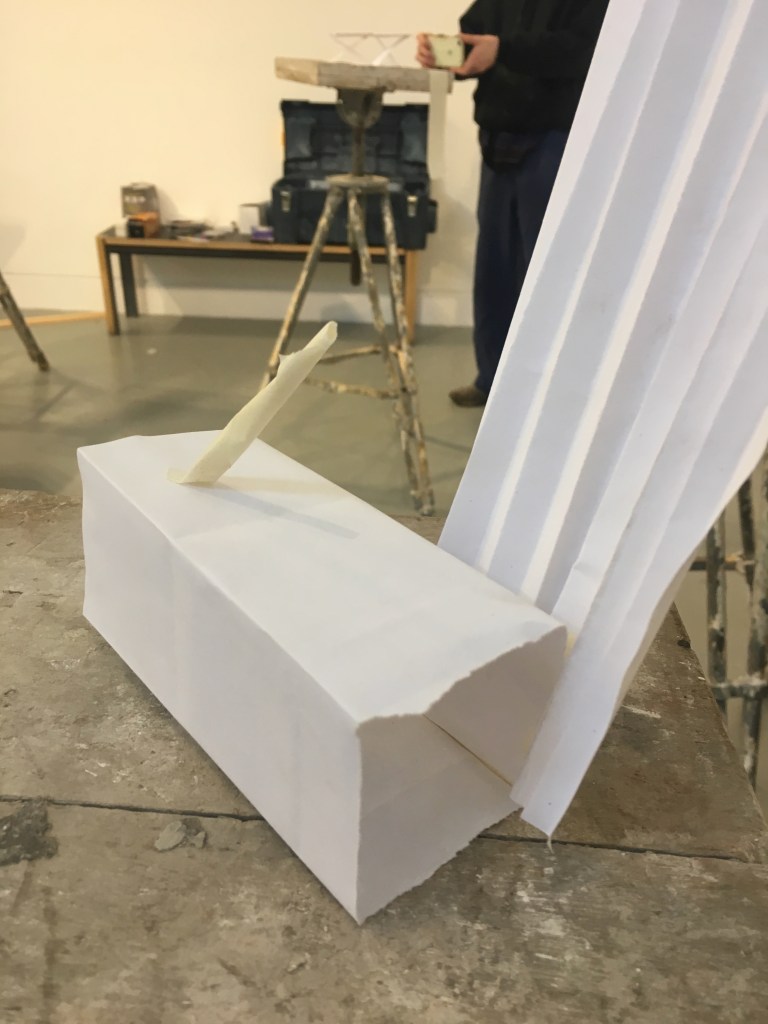
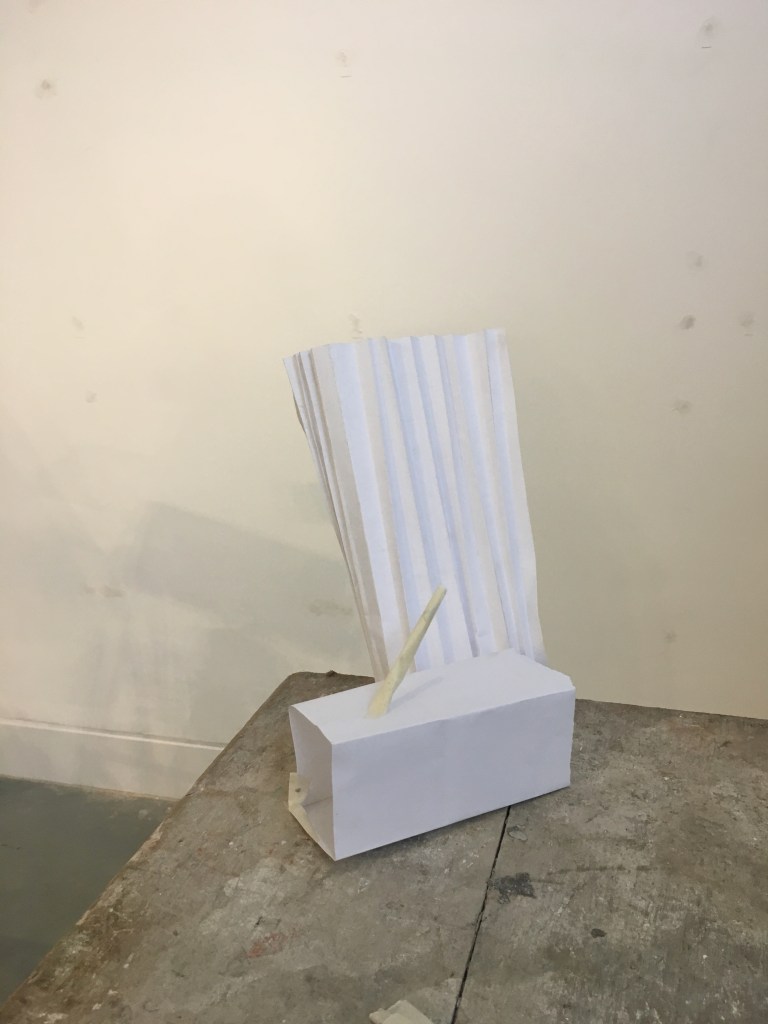
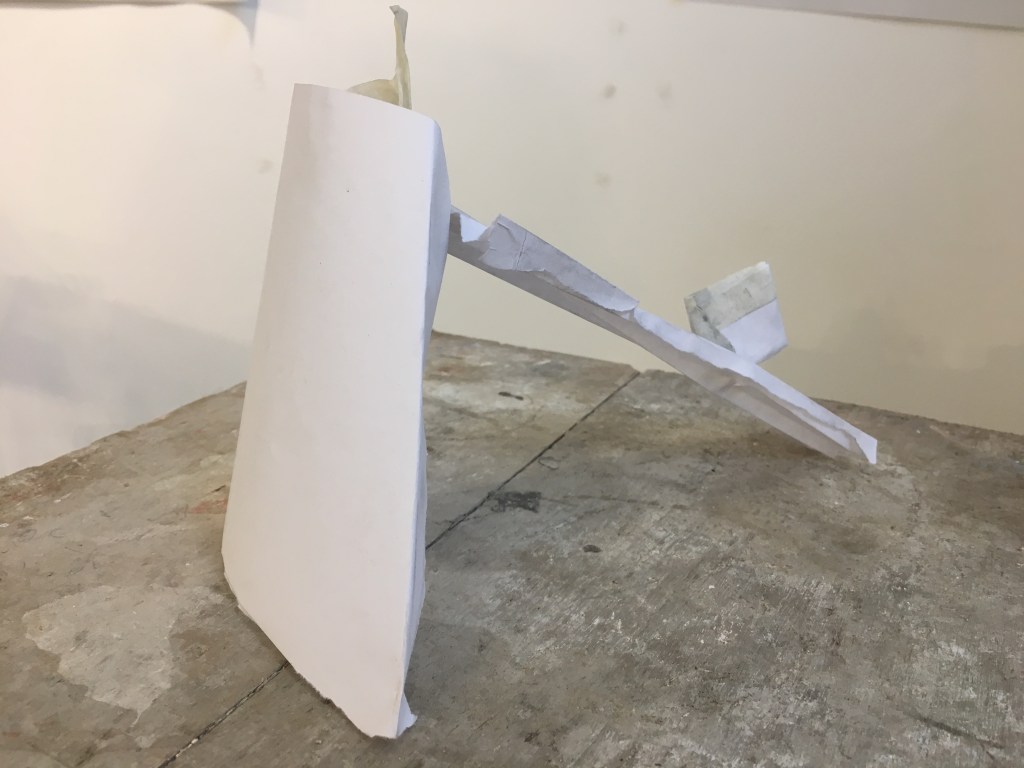
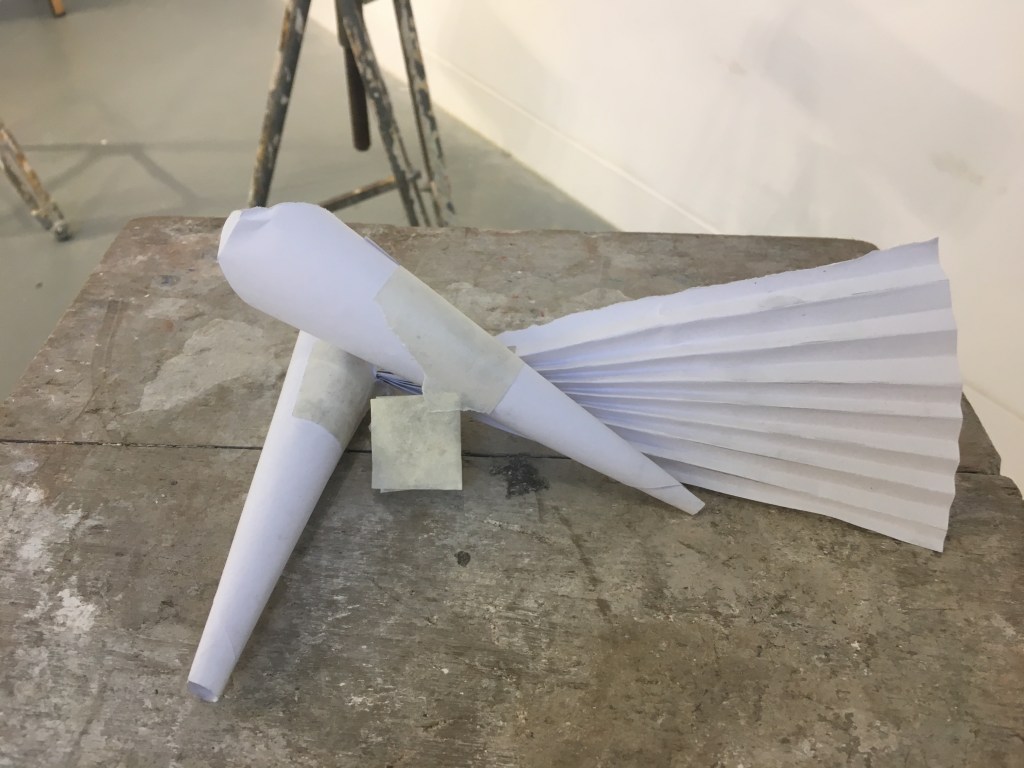
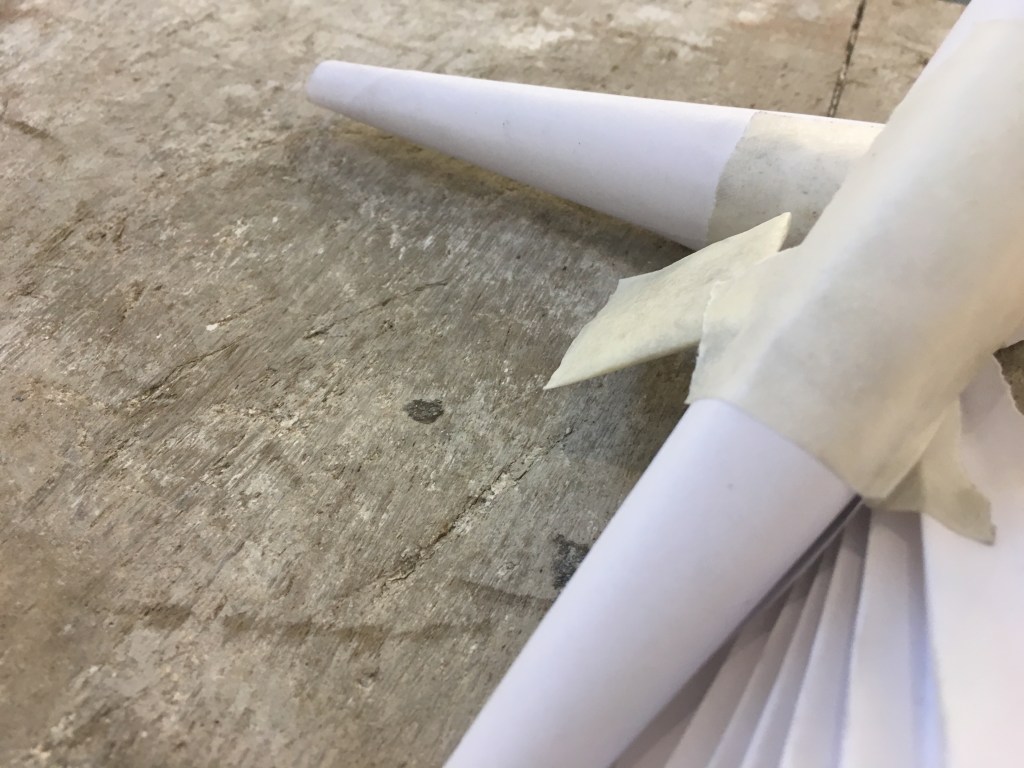
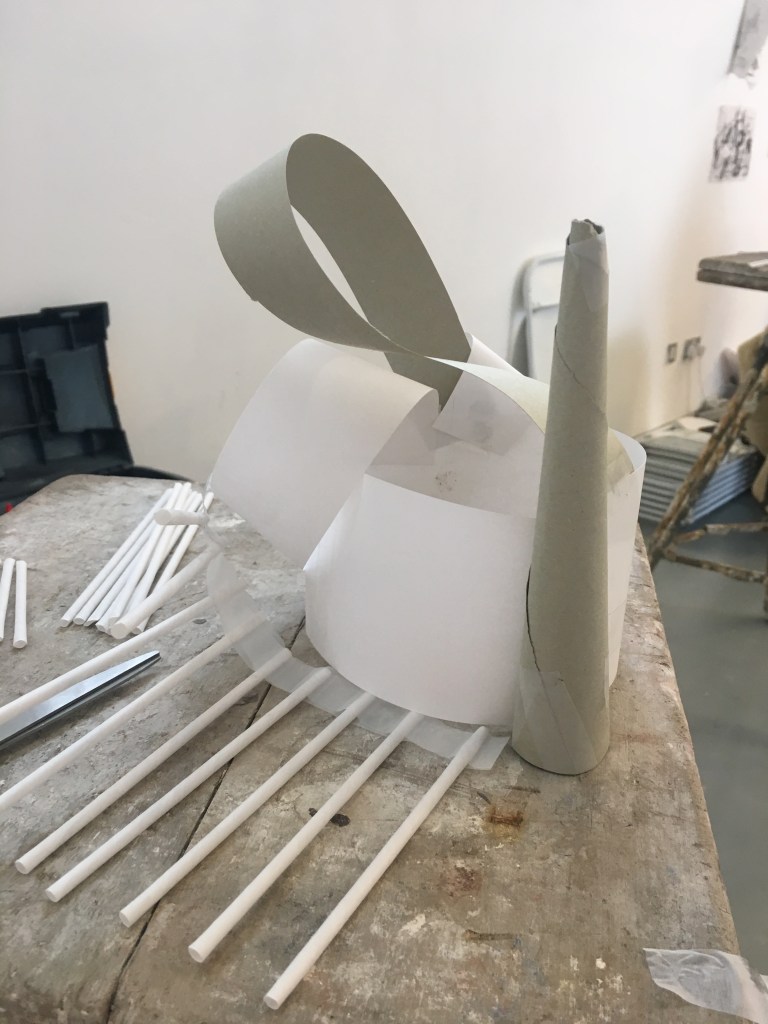
The inspiration for everything we made on day one of ESW came from a 15 minute walk at the very beginning of the day. We were asked to take in and consider shapes, patterns, textures, depth, scale etc. With all these elements considered I used the materials I was provided to create a 10 minute 3D response to what I had just seen. However found this challenging as we were only provided paper and tape. I tried mostly to show the angular and industrial elements of my surroundings as well as the differing levels and hight.
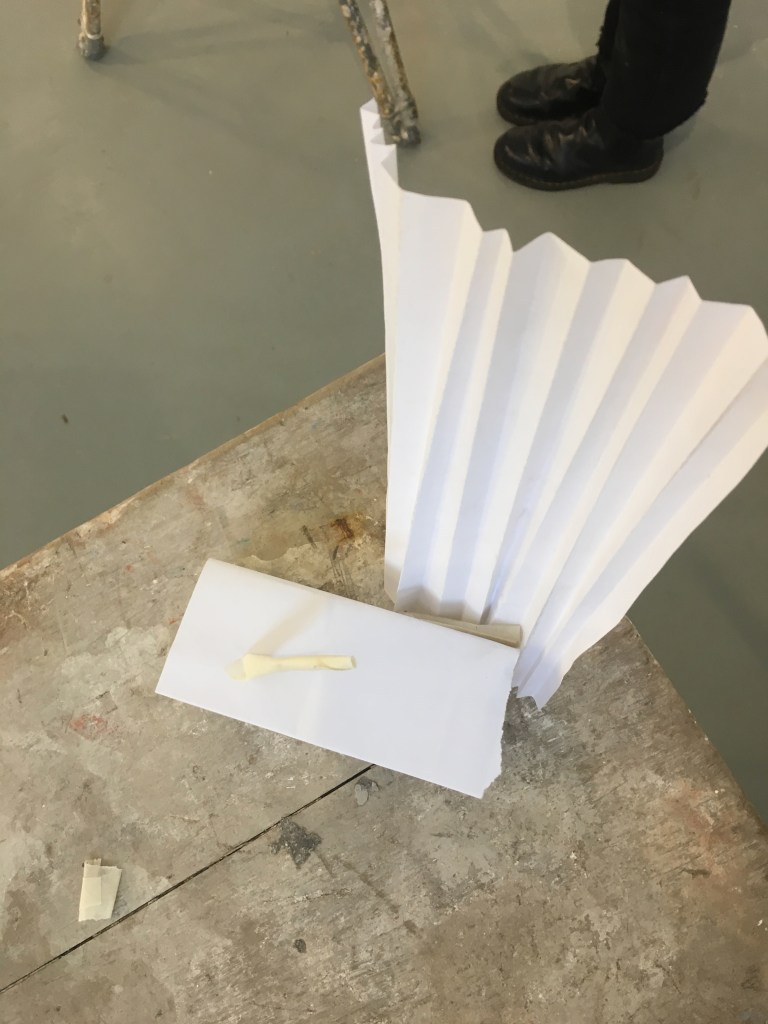
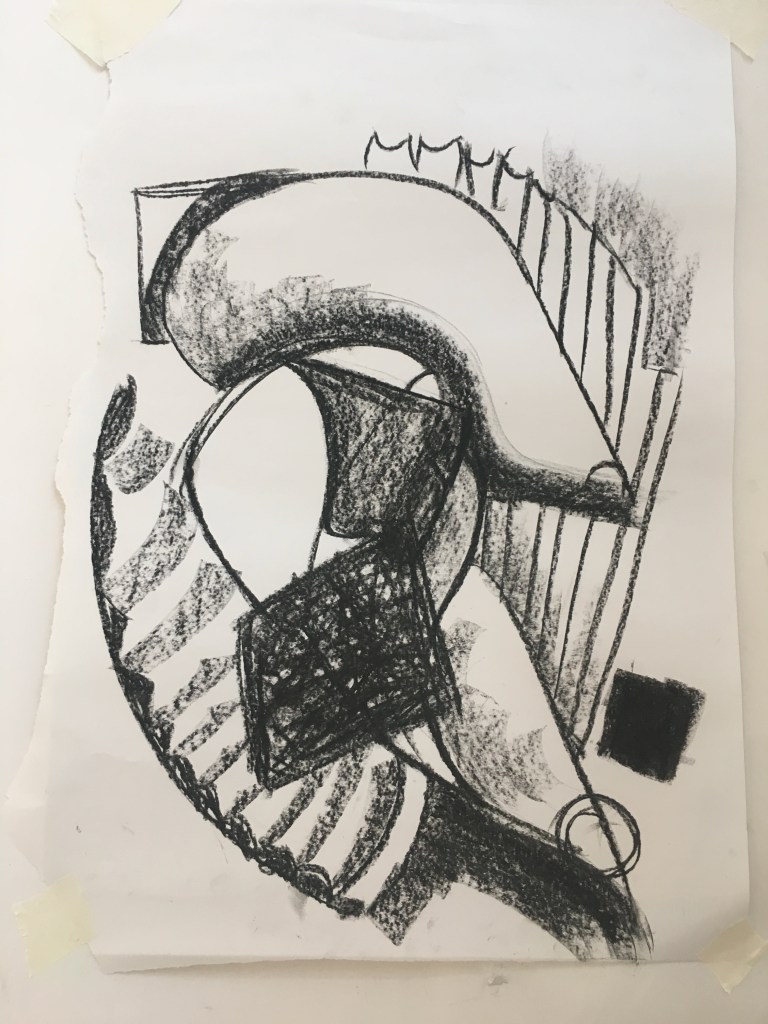
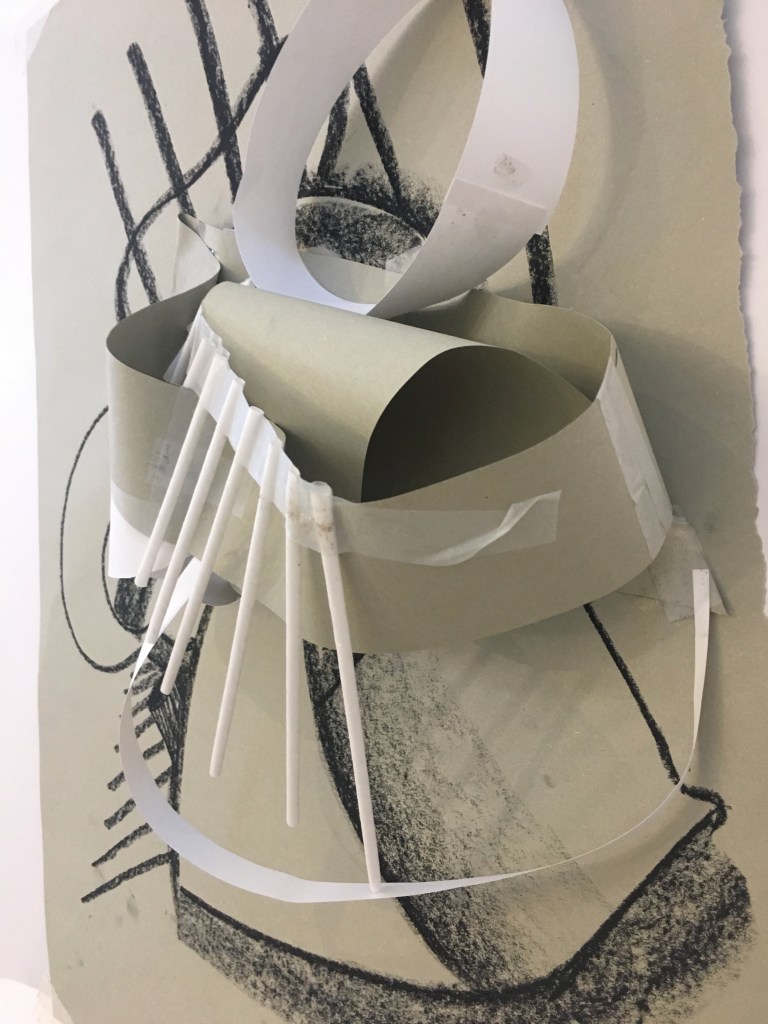
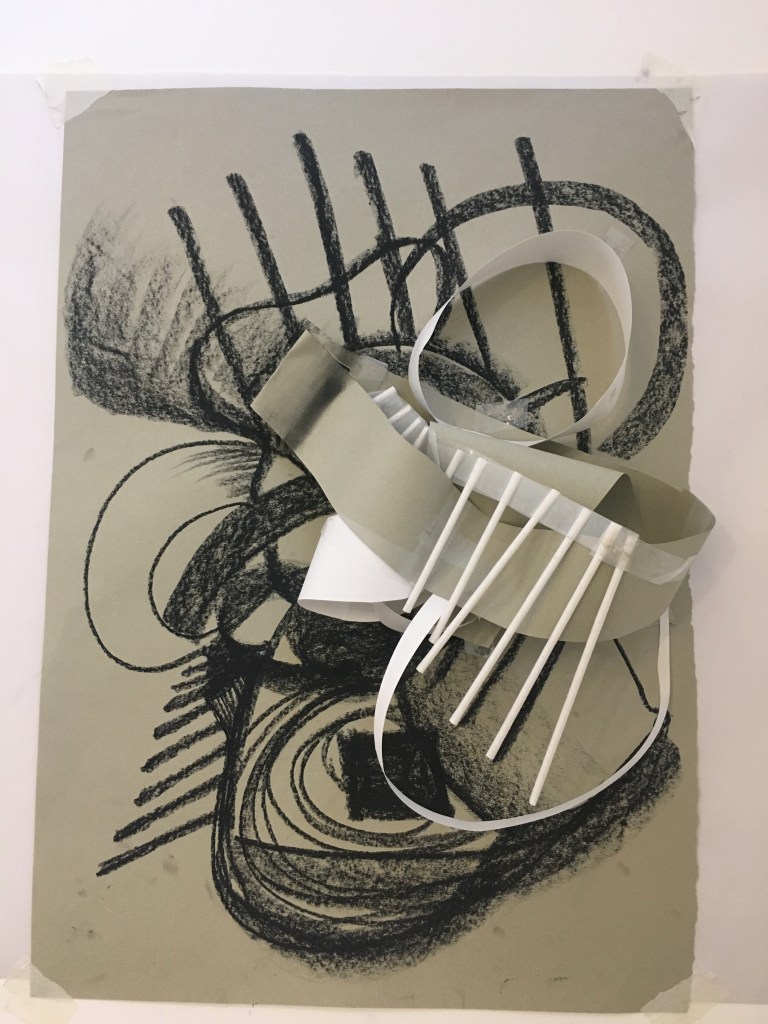
After reflecting and evaluating our timed paper sculpture we then were put through a series of translating 3D into 2D. Repeating this process created and produced a large variety of work.
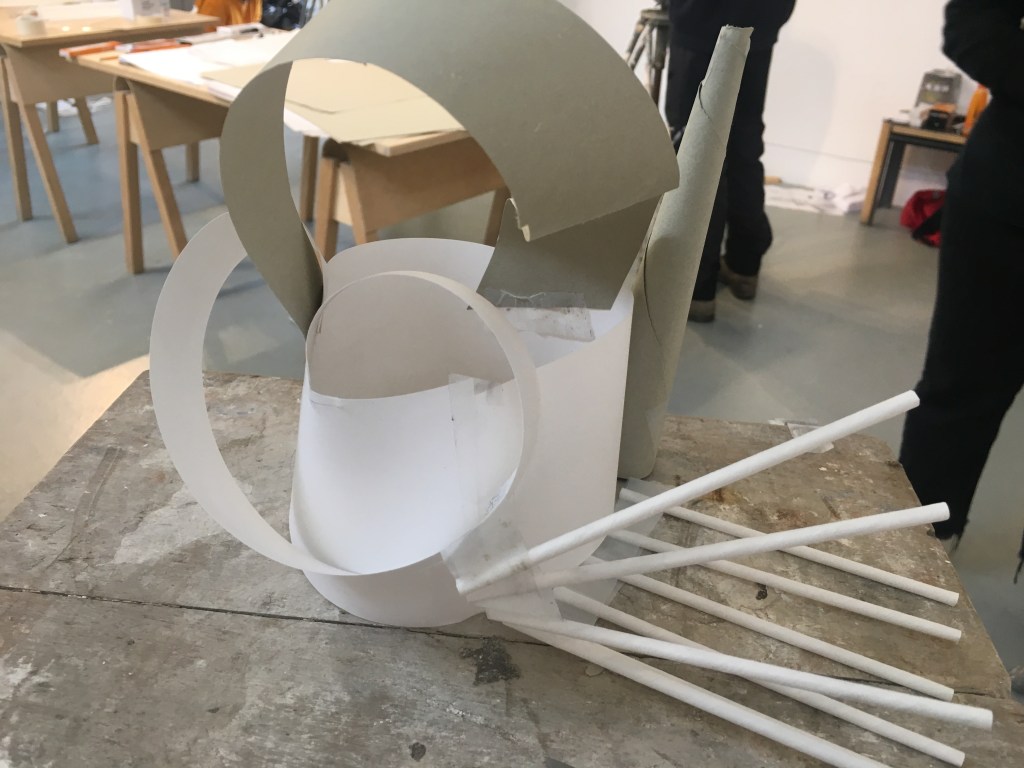
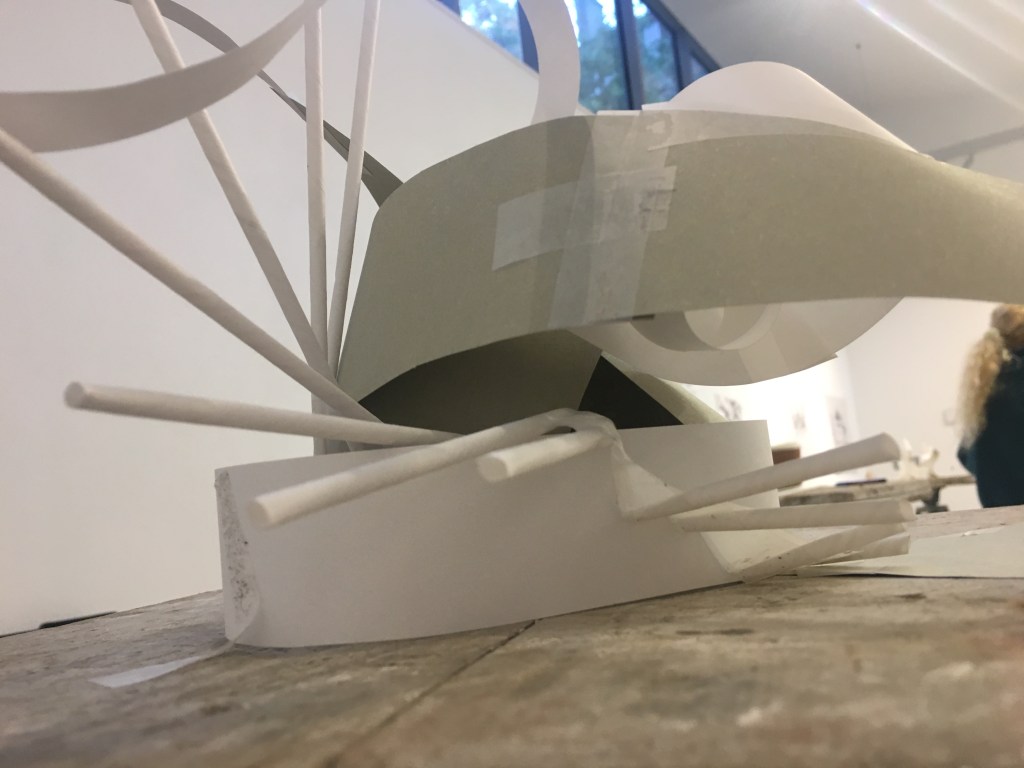
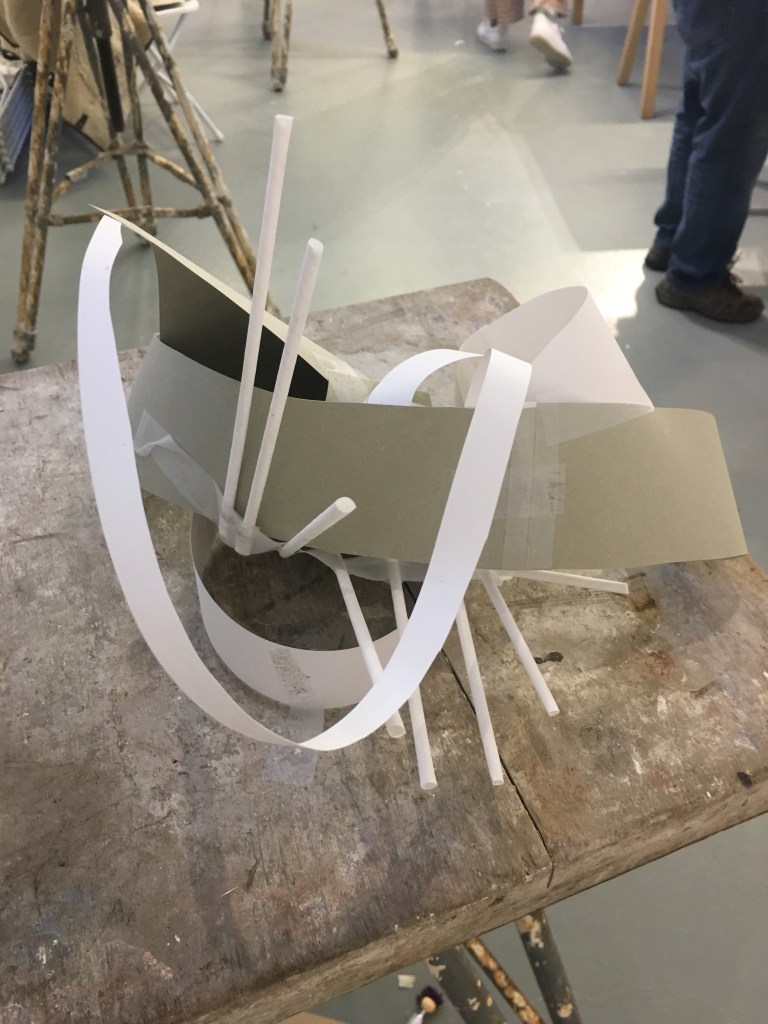
As the day progressed we were given more and more time with a larger range of materials. AS a result, the scale and complexity of the sculptures complicated and developed further. This creative cycle was quick and easy to do and I’m planning on implementing it on my own working practice when I feel stuck or I am unable to move forward with and idea.
I was becoming more pleased with my sculptures astray developed and they became more complex holding a lot more movement and wight. It became important to consideration not only the space they occupy but the space they don’t. As well as how your eyes are led round the sculpture
Is it as interesting from all angles and dose it provoke you to move around it, be within it?
Combing 2D and 3D work further added texture and depth overall created an interesting piece of work from only paper, card, straws and tape. Also having learned not to be to precious when making work and constantly evaluating and reflecting on pervious work in order to move forward and improve the next stage.
DAY TWO
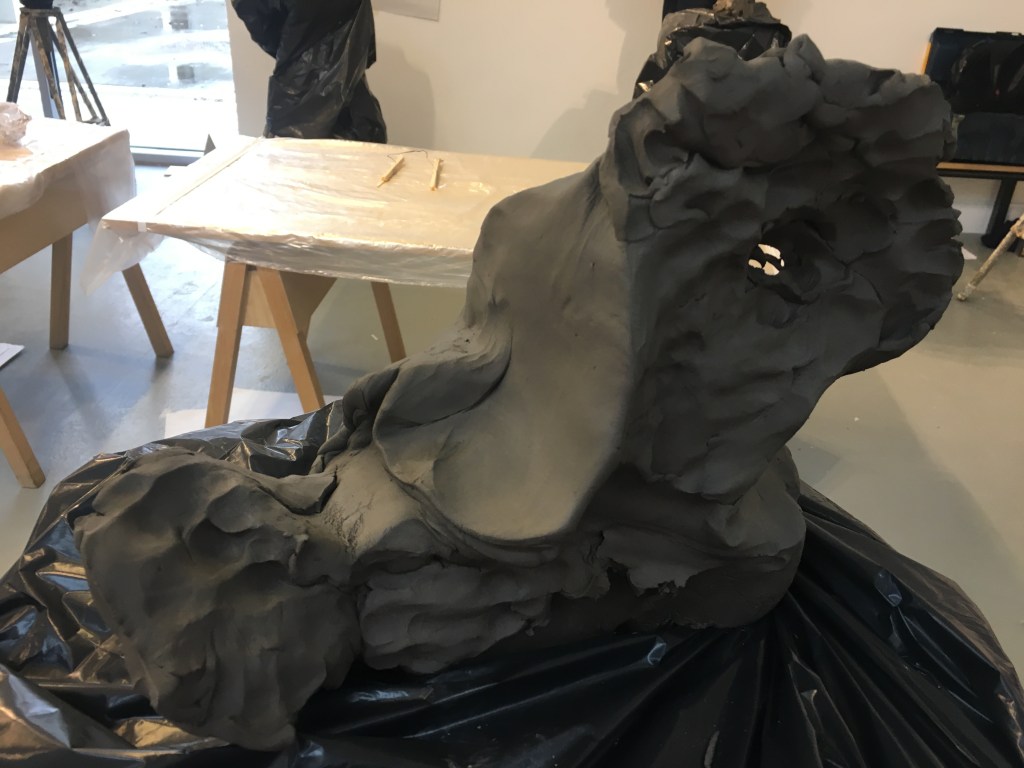
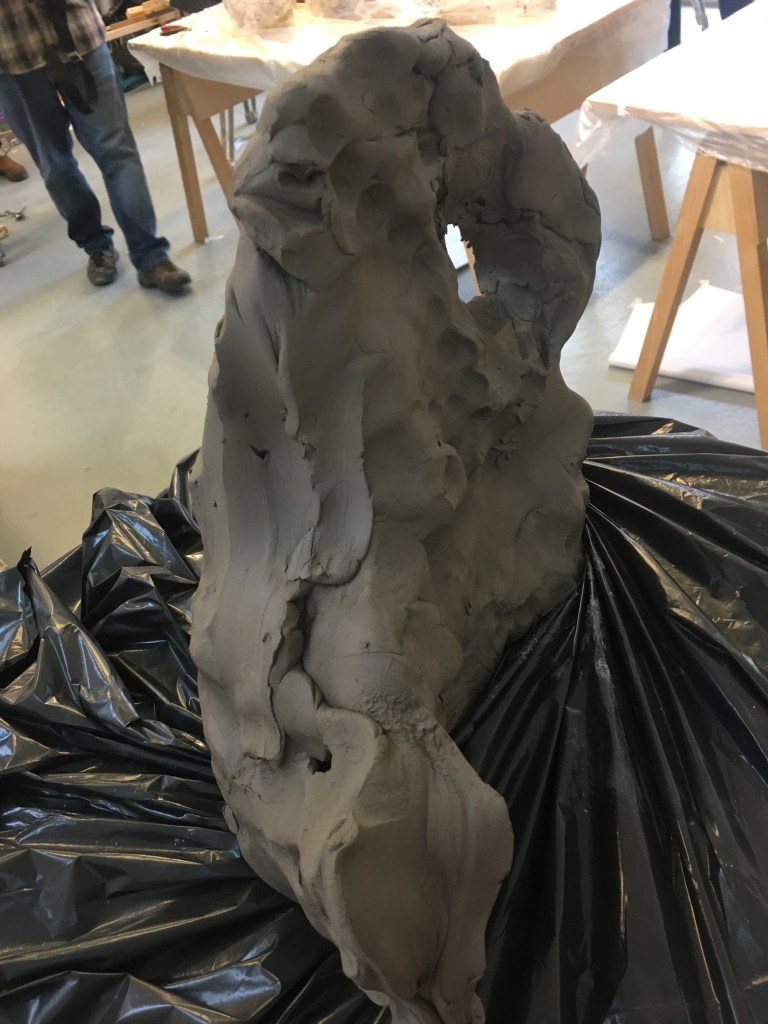
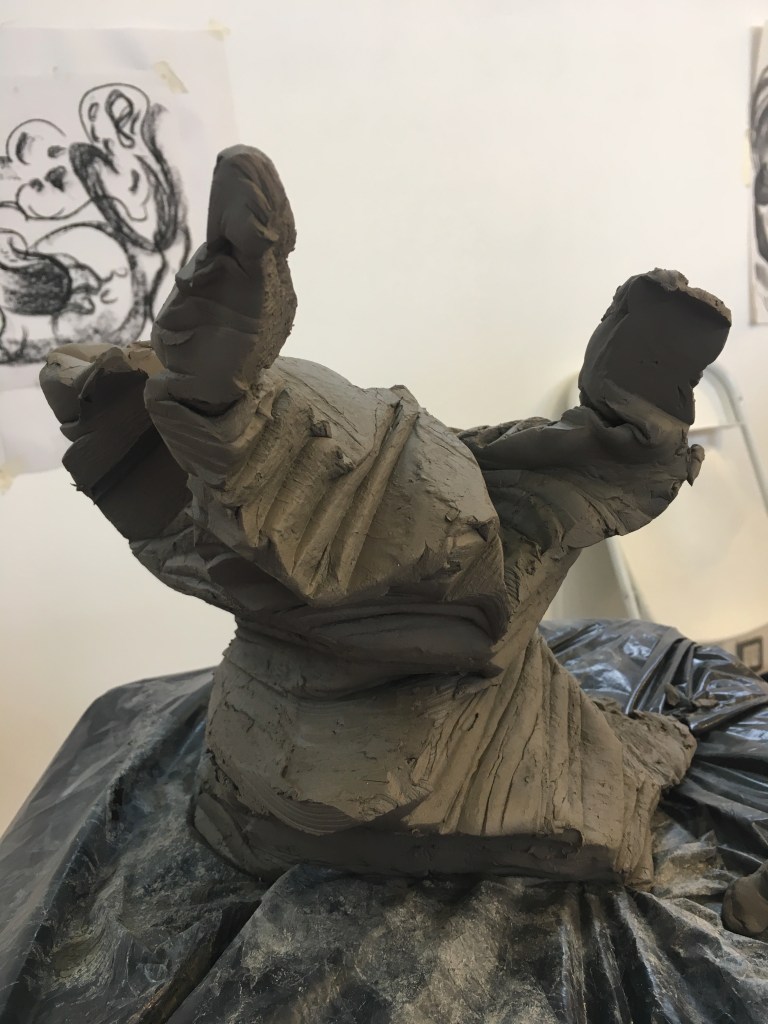
Experimenting using clay as a medium and form. First using our drawings from the previous day as inspiration for our clay sculptures as well as only being able to use our fists to move and mould the clay. Doing so allowed the general idea shape and form to come trough rather than focusing on the fine details and having an already fixed idea of the finished product in mind. If we had just used our hands as normal the results would have been a lot narrower and restrictive.
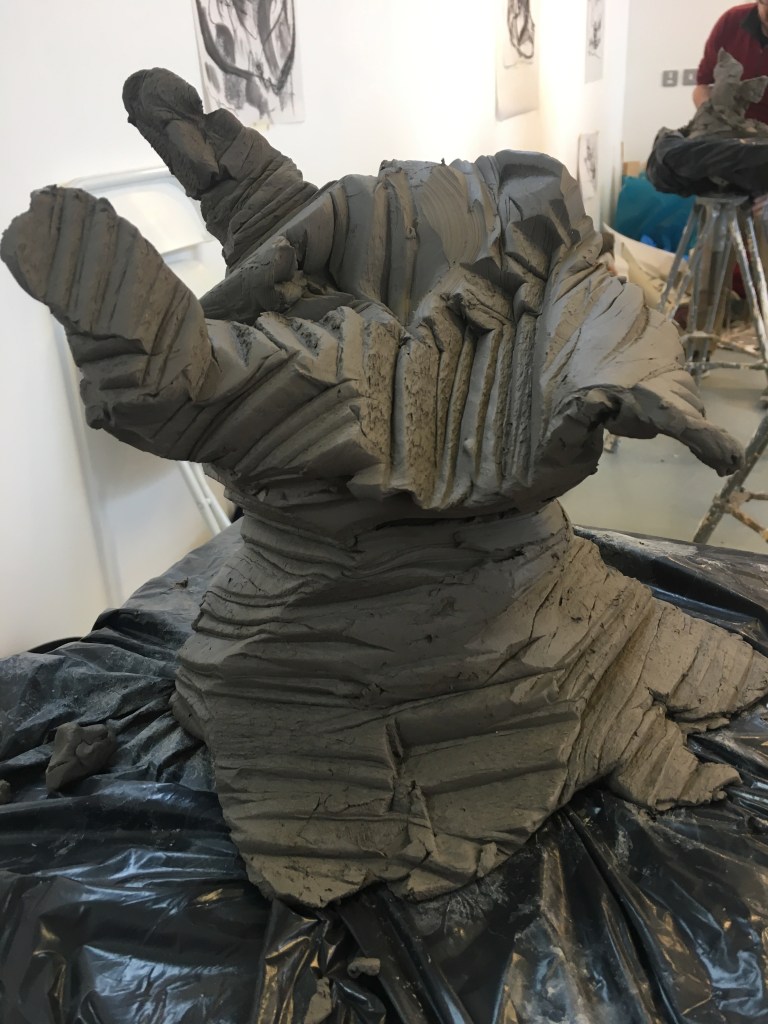
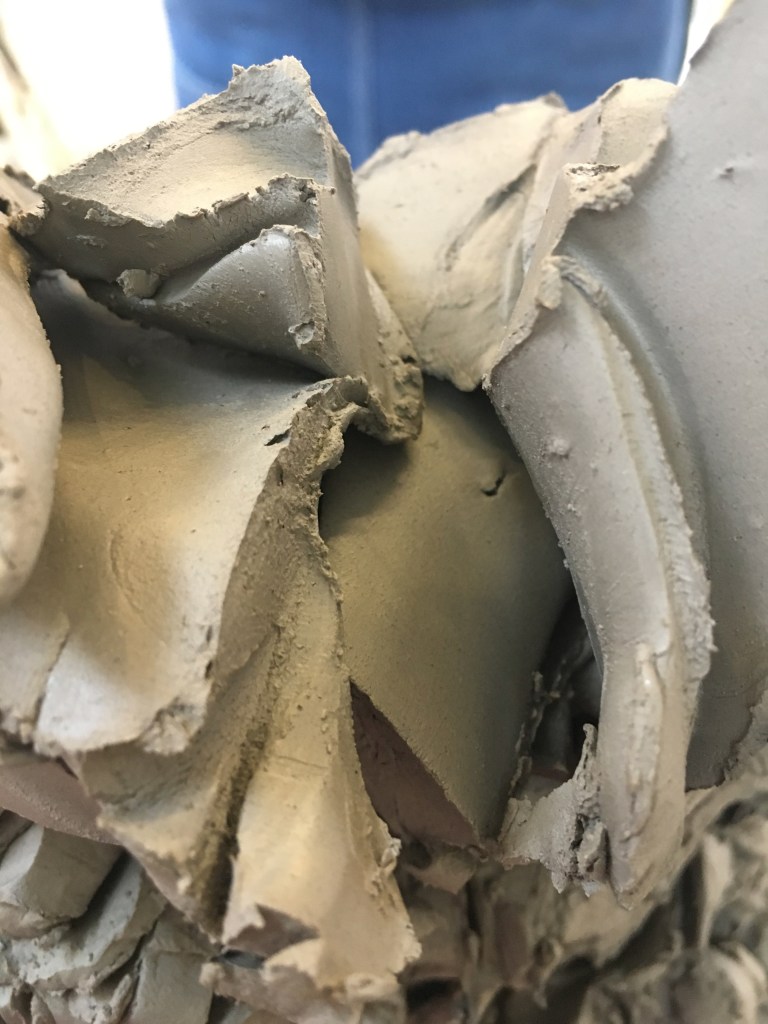
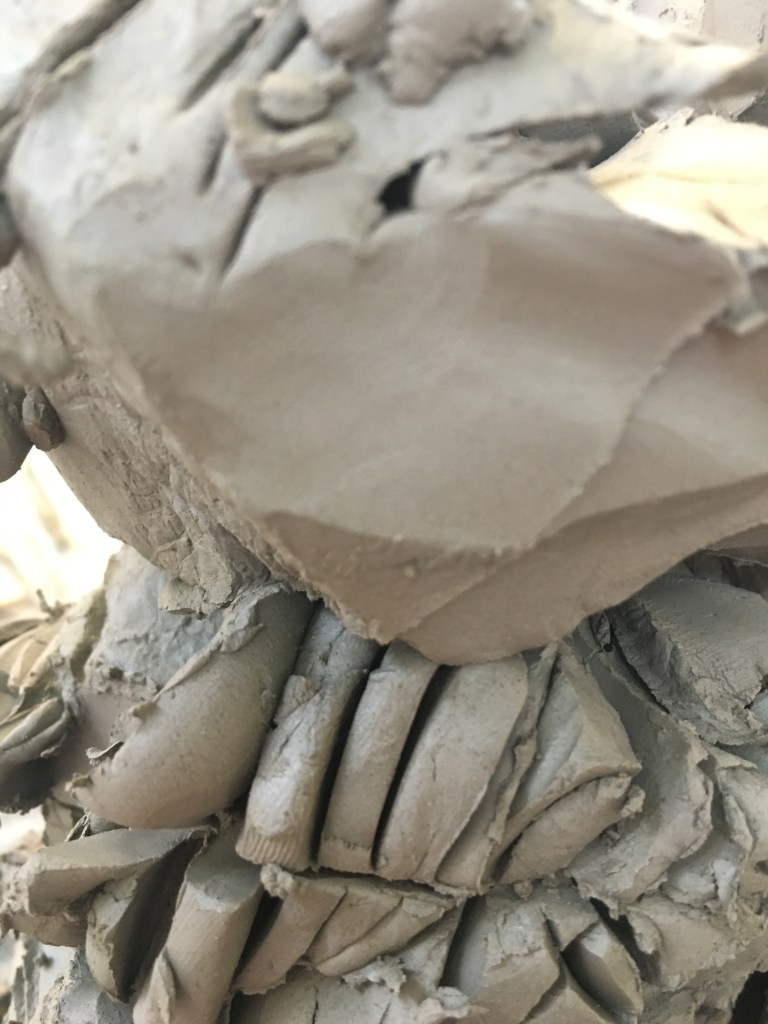
Next using wooden sticks as our tools this method was probably my favourite as I liked the voracity and twisted jagged effect it created on the clay it held a lot of movement and evoked you to take a closer look and move around the form.
Finally, manipulating the clay using only wire I found the most challenging to control but still managed to find interesting textures and patterns along the surface of the clay rather than in the shape and form of the clay more than anything else.
DAY THREE
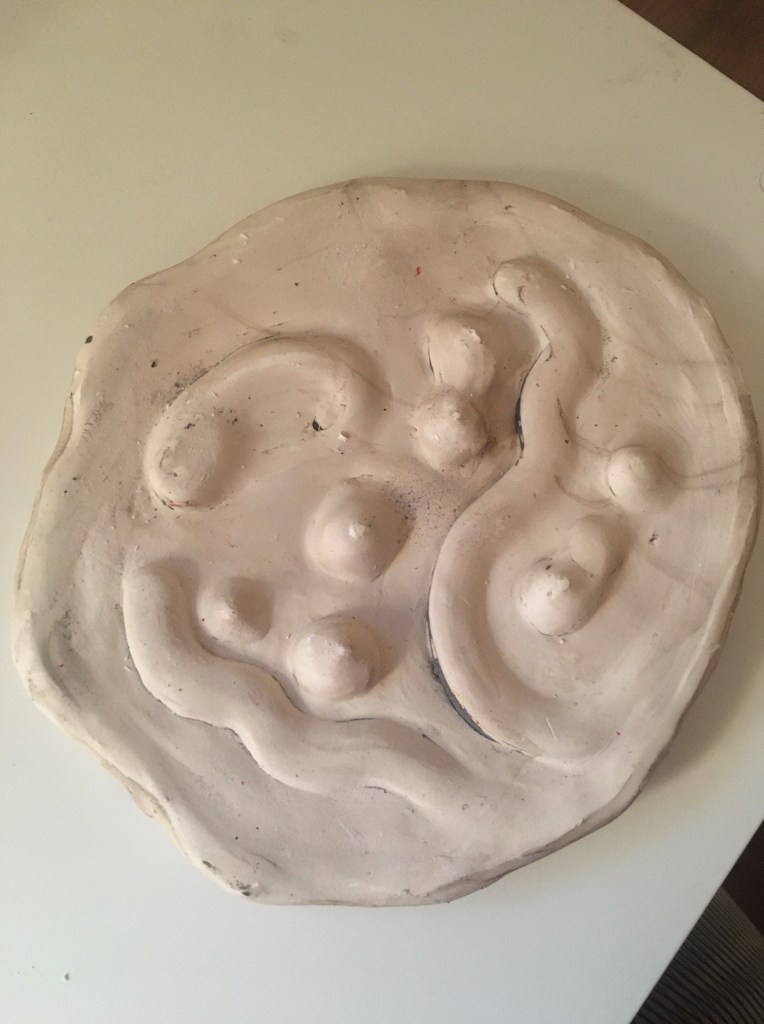
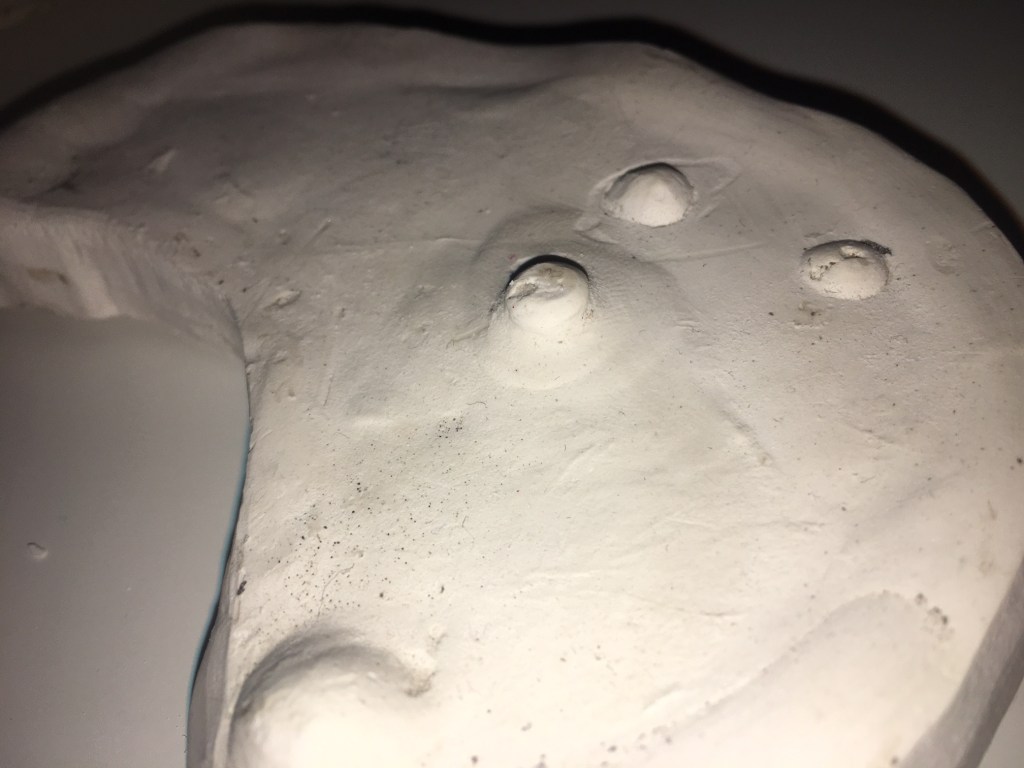
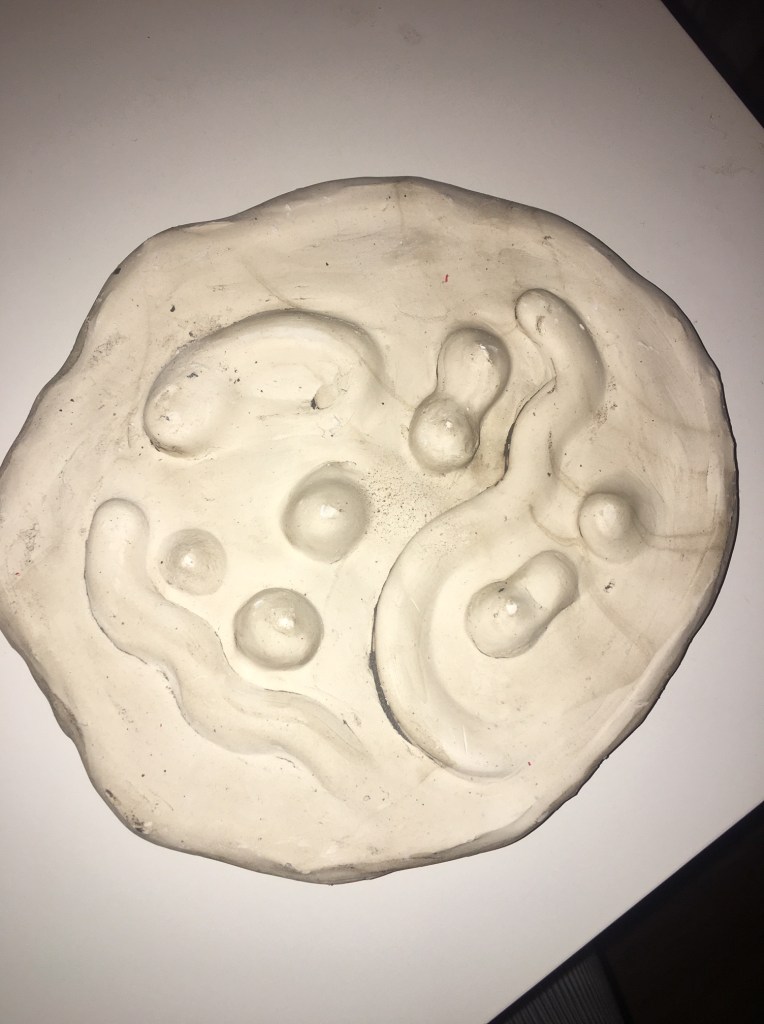
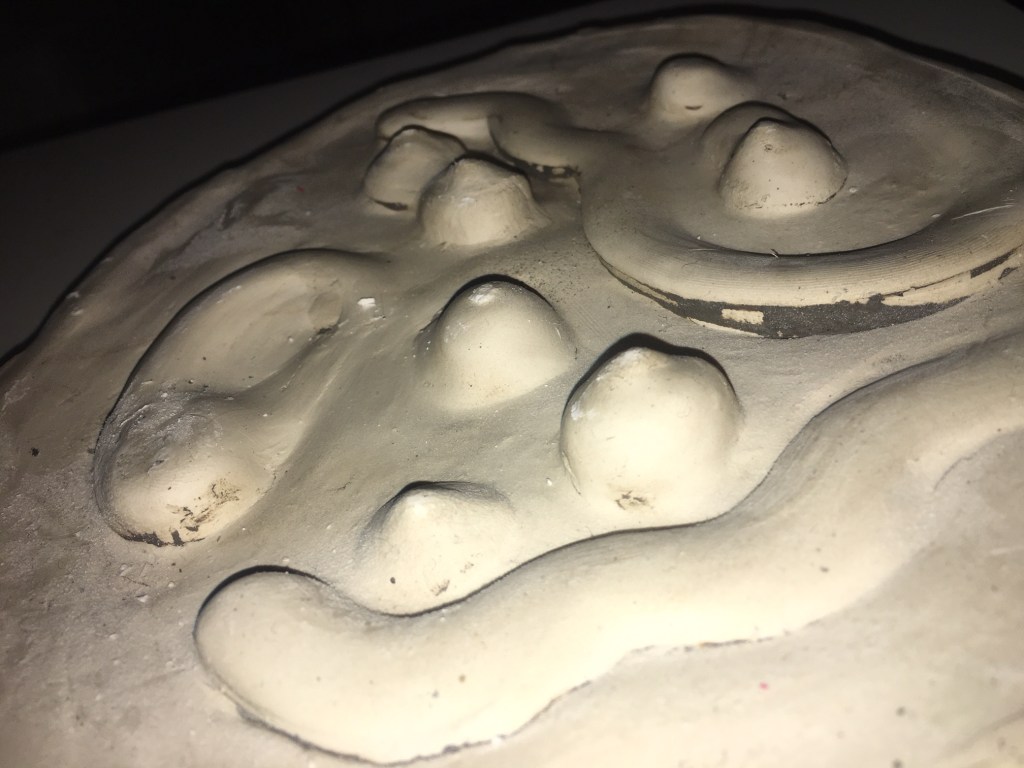
Using our drawing from the previous day to experiment using the plaster. I liked the finale results of the plaster and how it could be manipulated into forming lots of shaped however felt restricted once the plaster was set as it was difficult to change or connect to other materials and display. I felt the things I was creating also lacked movement and hight they felt very shallow and flat and only gaged interest within their fine details and texture. I think bringing colour to these would be beneficial and would add another level of interest.
DAY FIVE
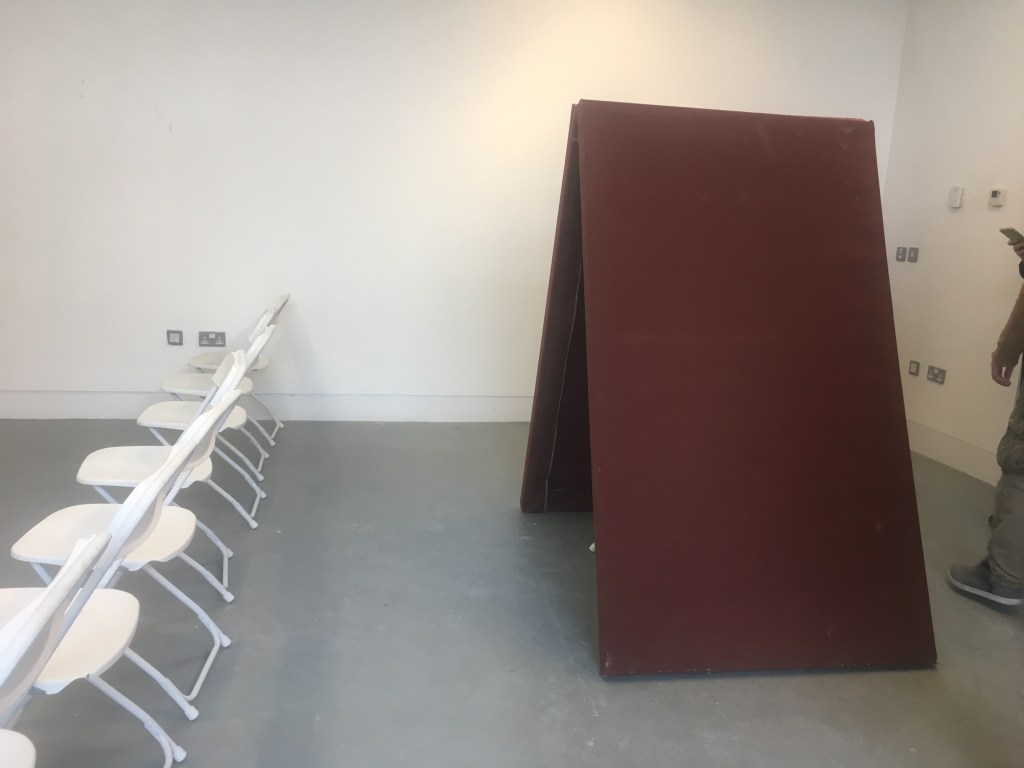
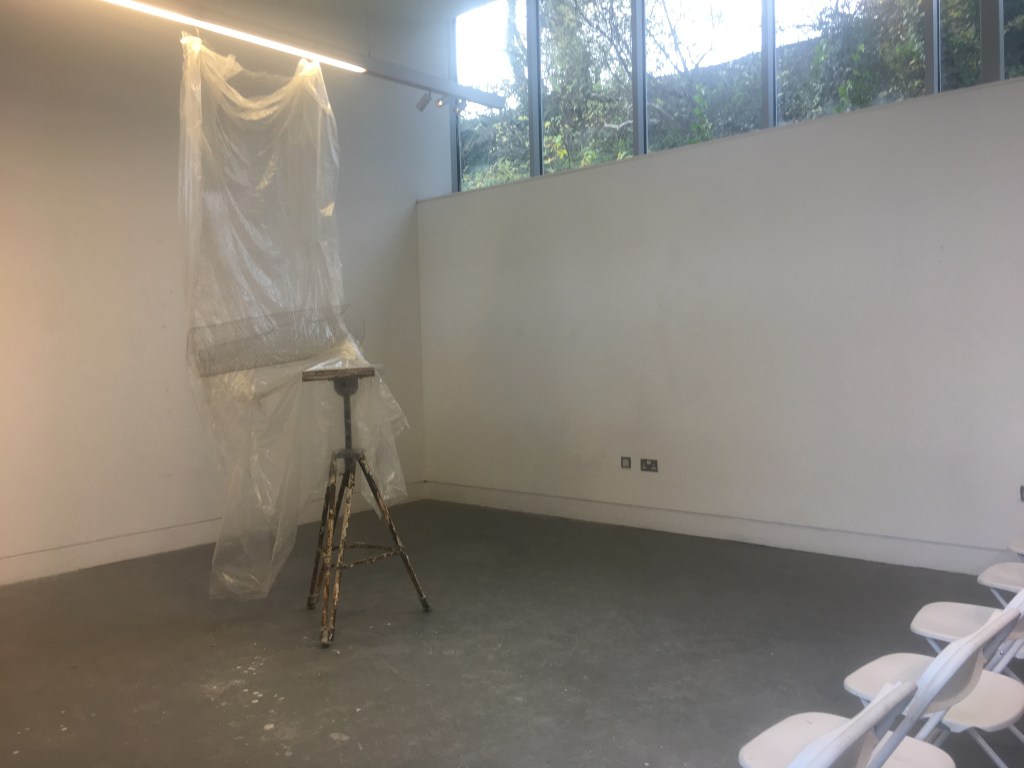
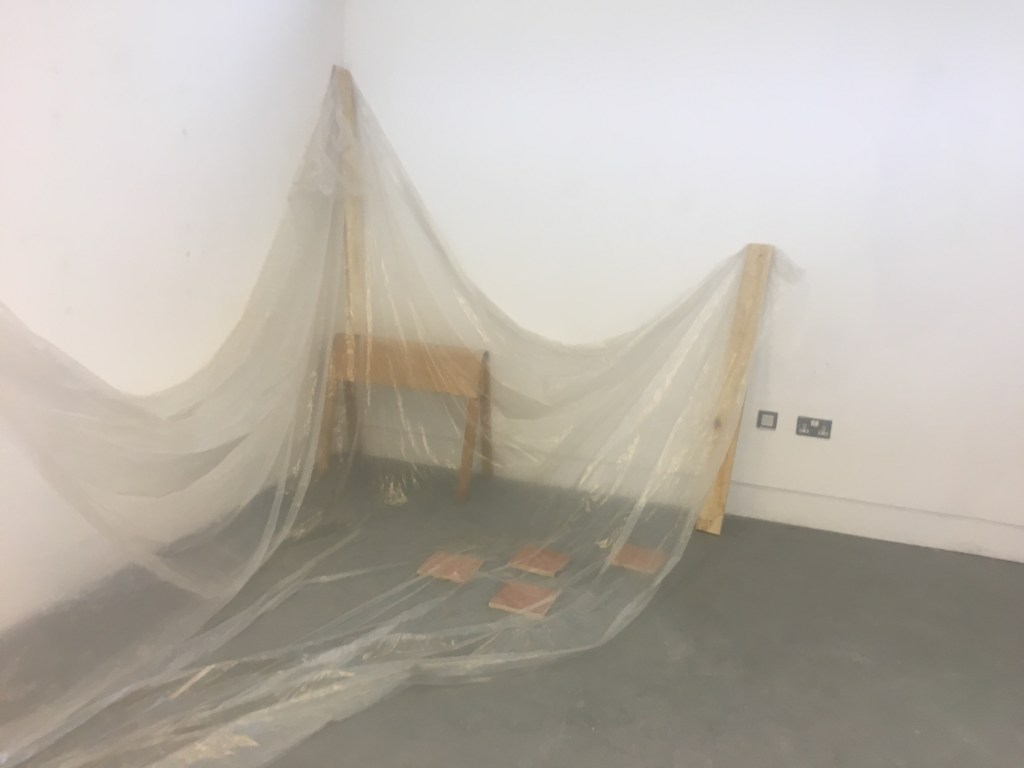
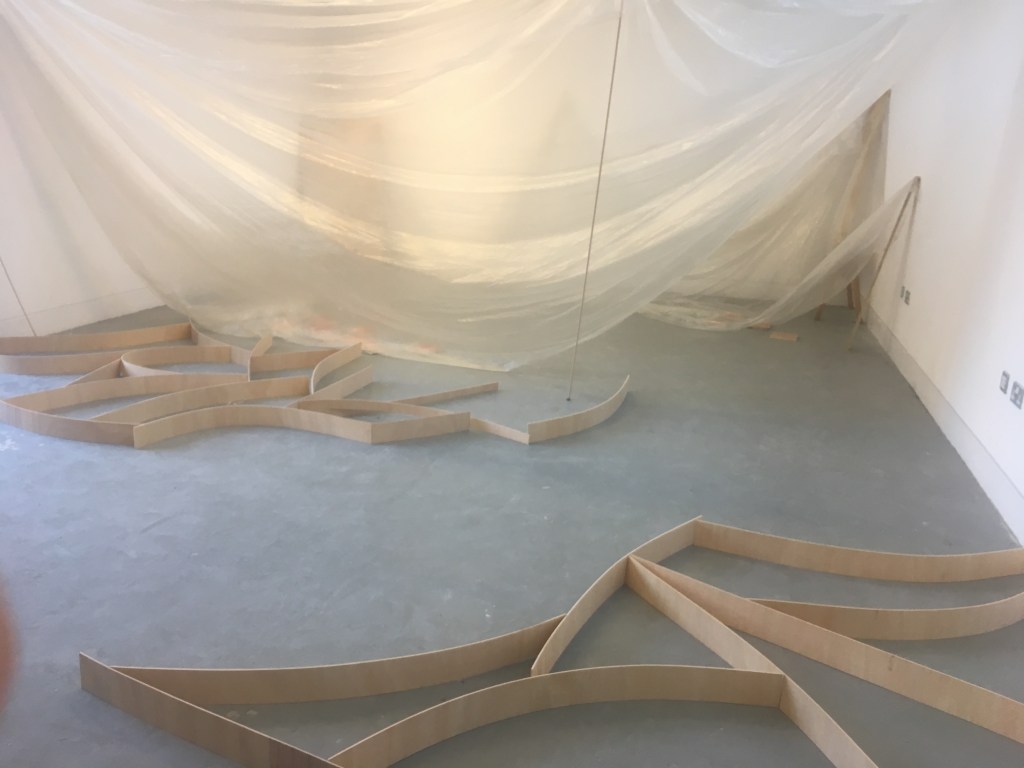
Creating installation art required us as a group to consider the space we were working in and how we wanted to occupy it/ what we wanted to say about the space. It was also important to consider materials and how our work interacted with the other groups.
We also considered light as well as how our work made you move around the space and where you wanted to look/ignored. Through the day our installations became a much grander scale and combine lots of different elements and materials.
EVALUATION
The week as a whole showed me not only how to approach a material or a specific type of working but how you must consider the space your work occupies and the space it doesn’t and how you want people to engage with your work. Having a back and forth with 2d and 3d i also thing will be helpful in future projects when i find myself stuck or unable to progress with an idea.















 CHARLEY MILLAR ART